
China has indicated it is ready to deepen cooperation with Southeast Asian nations to manage the growing impact of the Middle East conflict on global energy supplies. As tensions in the region continue to disrupt oil and gas flows, policymakers across Asia are facing rising concerns about supply stability and price volatility. Beijing’s message reflects a broader effort to stabilize regional energy security while limiting the economic consequences of prolonged geopolitical uncertainty. The situation has already pushed energy markets into a sensitive phase, where supply risks and inflation concerns are increasingly shaping economic outlooks across both developed and emerging markets.
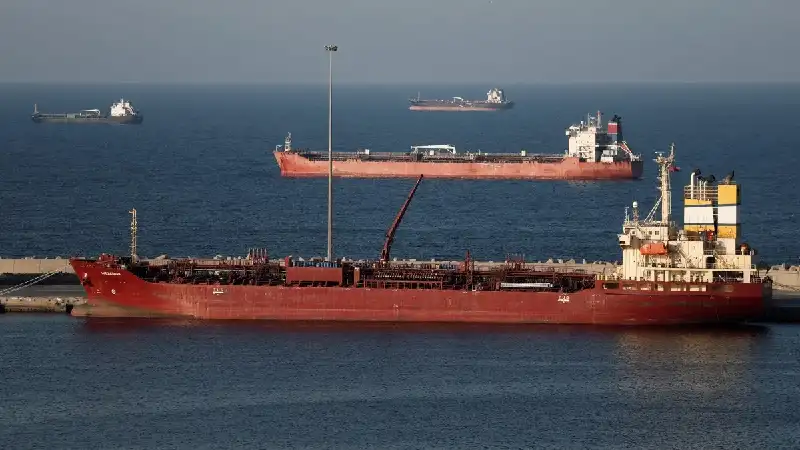
Chinese officials emphasized that closer coordination with Southeast Asia would focus on maintaining stable access to energy resources and ensuring that supply disruptions do not escalate into wider economic challenges. The region remains heavily dependent on imported oil and liquefied natural gas, making it particularly vulnerable to any instability affecting major shipping routes. With the Strait of Hormuz continuing to serve as a critical artery for global energy trade, any threat to its operations can quickly translate into higher import costs and tighter energy availability for countries across Asia.
The ongoing conflict has intensified pressure on global energy prices, which are already reflecting heightened risk premiums due to uncertainty surrounding supply chains. Rising fuel costs have a direct impact on transportation, manufacturing, and household expenses, creating a ripple effect across national economies. For Southeast Asian countries, where economic growth is closely tied to industrial output and trade, sustained increases in energy prices could slow expansion and strain fiscal policies. This has made regional cooperation increasingly important as governments look for ways to secure stable energy access while managing inflation risks.
China’s foreign ministry has also called for an immediate halt to military operations, warning that continued escalation could have broader consequences beyond the immediate conflict zone. Officials stressed that prolonged instability could undermine global economic growth and disrupt international trade flows at a time when many economies are still navigating post pandemic recovery challenges. The call reflects Beijing’s position that de escalation is necessary not only for regional stability but also for maintaining confidence in global markets that rely on predictable supply chains.
Historically, Asia has played a central role in global energy demand, with China and Southeast Asian economies accounting for a significant share of consumption growth over the past decade. This dependence has made the region highly sensitive to external shocks, particularly those affecting key energy producing regions. Previous disruptions in the Middle East have demonstrated how quickly price volatility can spread across markets, prompting governments to build strategic reserves and diversify supply sources as part of long term energy planning strategies.
Beyond immediate supply concerns, the situation is also prompting renewed discussions around energy diversification and infrastructure investment. Some Southeast Asian countries are accelerating efforts to expand renewable energy capacity, while others are exploring alternative supply agreements to reduce reliance on traditional routes. China’s involvement in regional energy projects, including pipeline development and infrastructure financing, positions it as a key partner in shaping how the region adapts to evolving energy dynamics.
In parallel, global financial markets are closely tracking developments in energy prices and geopolitical risk, with investors adjusting portfolios to reflect increased uncertainty. Commodity markets have shown heightened sensitivity to news related to the conflict, while currency movements in emerging markets are reflecting concerns about trade balances and inflation pressures. The interplay between energy security and financial stability is becoming more pronounced, reinforcing the importance of coordinated responses among regional economies.
The current situation remains fluid, with governments and market participants continuing to assess how long disruptions may persist and what their long term implications could be. Energy importers across Southeast Asia are monitoring supply conditions closely while preparing contingency measures to manage potential shortages or price spikes. As diplomatic efforts continue alongside rising geopolitical tensions, the focus remains on preventing further escalation while maintaining stability in one of the world’s most critical energy corridors.

