
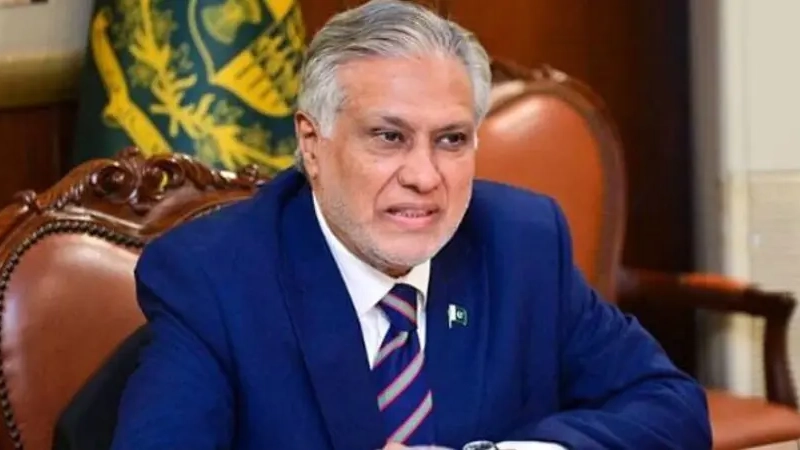
Pakistan and China are set to reinforce their long standing strategic partnership as Deputy Prime Minister and Foreign Minister Ishaq Dar prepares for an official visit to Beijing. The trip comes at a time when both countries continue to emphasize their “all weather strategic cooperative partnership,” reflecting strong diplomatic alignment across political, economic and regional matters. Despite recovering from a recent shoulder injury, Dar is expected to proceed with the visit, underscoring the importance Islamabad places on maintaining high level engagement with Beijing amid evolving regional dynamics.
During the visit, Dar is scheduled to meet Chinese Foreign Minister Wang Yi, where both sides will discuss a range of issues including bilateral cooperation, regional security developments and broader global challenges. The meetings are expected to focus on strengthening coordination in key areas such as economic collaboration, connectivity initiatives and diplomatic alignment. Officials indicate that the dialogue will also cover recent geopolitical shifts affecting South Asia and the wider region, with both countries seeking to maintain stability and mutual support.
The visit highlights the enduring strength of Pakistan China relations, which have expanded significantly over the years through initiatives such as the China Pakistan Economic Corridor and cooperation in trade, infrastructure and energy sectors. Analysts note that high level exchanges between leaders play a critical role in sustaining momentum across these projects while ensuring alignment on strategic priorities. The relationship has often been described as a cornerstone of Pakistan’s foreign policy, supported by consistent political engagement and long term economic collaboration.
Experts suggest that the discussions in Beijing may also address regional security concerns, particularly in light of ongoing geopolitical tensions and shifting alliances. Both countries have historically coordinated closely on issues affecting regional peace and stability, and the upcoming meetings are expected to reaffirm that approach. In addition to political dialogue, economic cooperation remains a central focus, with both sides exploring opportunities to expand trade links and enhance investment flows in key sectors.
The timing of the visit is significant as global and regional dynamics continue to evolve, placing renewed emphasis on strategic partnerships. China’s role as a major economic and political partner for Pakistan positions the relationship as a key element in Islamabad’s international engagement strategy. Observers note that continued collaboration could further strengthen economic resilience and support development goals, particularly through infrastructure and connectivity initiatives that link regional markets.
As preparations for the visit move forward, attention is focused on potential outcomes and agreements that may emerge from the discussions. High level diplomatic engagements such as this often set the direction for future cooperation, influencing both bilateral ties and broader regional interactions. The visit is expected to reaffirm the depth of Pakistan China relations while exploring new avenues for collaboration in an increasingly complex global environment.

