
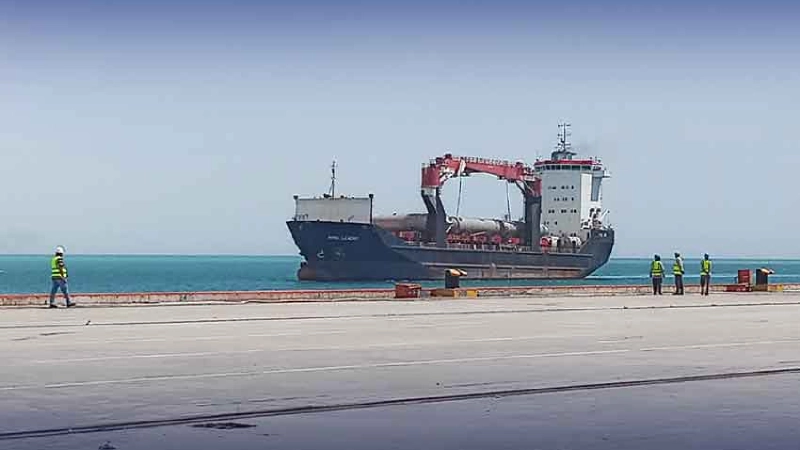
Pakistan is increasingly relying on its long term energy cooperation with China to navigate ongoing global disruptions linked to geopolitical tensions and supply chain instability. As energy markets face uncertainty due to developments in the Middle East and the disruption of critical routes such as the Strait of Hormuz, experts say projects under the China Pakistan Economic Corridor are helping the country maintain stability. By reducing dependence on imported fuels and expanding local energy capacity, Pakistan is gradually building a more resilient and self sufficient energy system capable of withstanding external shocks.
Over the past decade, energy investments under CPEC have transformed Pakistan’s power landscape, addressing severe electricity shortages that once disrupted daily life and industrial activity. At the start of these projects, cities across the country faced prolonged power outages, with load shedding reaching up to 12 hours in some areas. Through coordinated planning and rapid execution, Chinese and Pakistani partners accelerated the development of power generation facilities, transmission networks and supporting infrastructure, significantly improving electricity availability and reliability nationwide.
Experts involved in the development of these projects note that the initial focus was on quickly addressing shortages through projects that relied on imported fuels. However, the long term strategy has evolved toward building sustainable energy capacity by utilizing domestic resources and expanding renewable energy. This includes the development of coal based power from local reserves such as Thar, alongside increasing investments in hydropower, solar and wind projects. The shift reflects a broader effort to reduce exposure to global market fluctuations and strengthen Pakistan’s energy independence.
Officials emphasize that Chinese investment and collaboration have played a critical role in modernizing Pakistan’s energy infrastructure. Beyond increasing generation capacity, these projects have improved efficiency, strengthened grid stability and supported economic growth by ensuring a consistent power supply. The integration of diverse energy sources into the national grid has also enhanced the system’s flexibility, allowing it to better respond to changes in demand and external pressures affecting global energy markets.
The importance of these developments has become more evident as global tensions continue to impact energy prices and supply chains. Analysts point out that countries with strong domestic energy frameworks are better positioned to manage volatility, and Pakistan’s progress under CPEC offers a clear example of how strategic partnerships can deliver long term benefits. The continued expansion of renewable energy and local resource utilization is expected to further strengthen resilience while supporting environmental sustainability goals.
As Pakistan moves forward, policymakers and industry leaders are focused on optimizing existing infrastructure and accelerating the transition toward cleaner energy solutions. The ongoing collaboration with China is expected to remain a central pillar of the country’s energy strategy, supporting economic stability and long term development. With additional projects in progress and further investments anticipated, Pakistan’s energy sector is poised to play a key role in strengthening national resilience in an increasingly uncertain global environment.

