
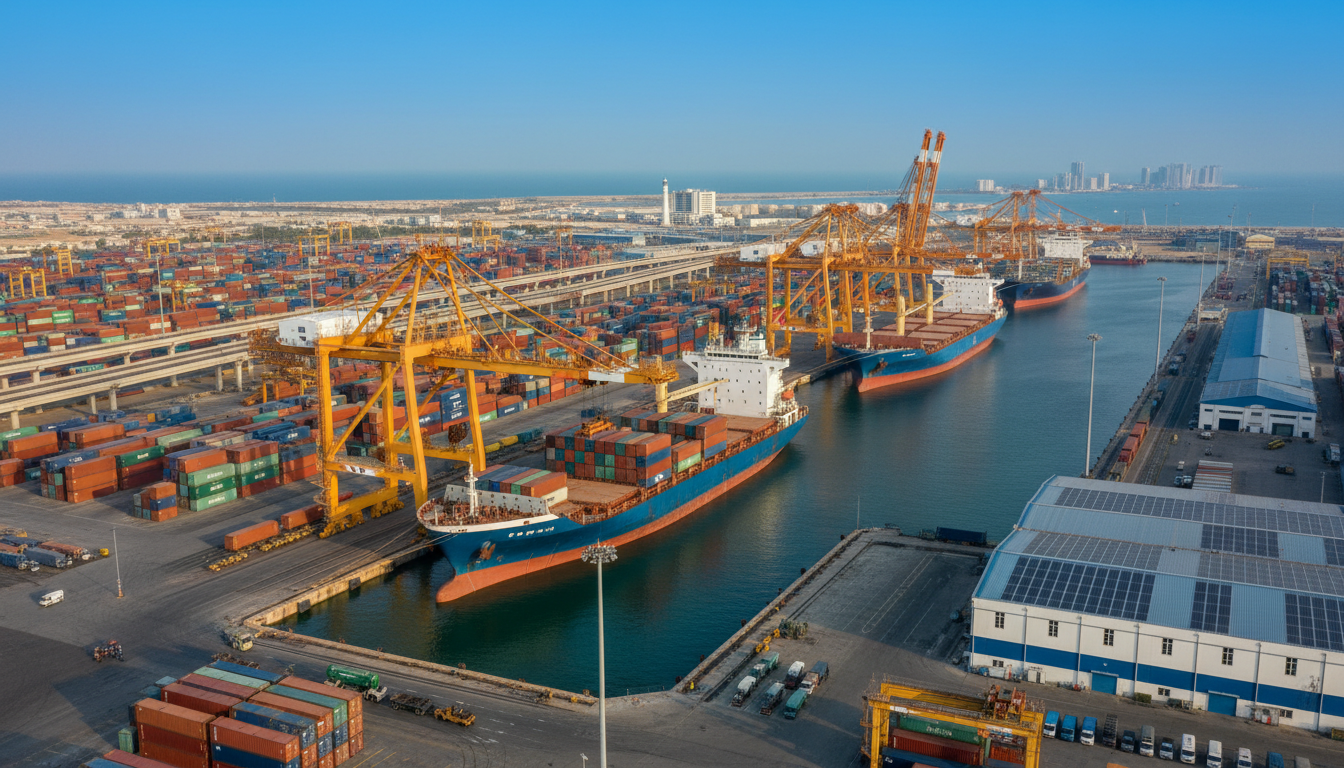
Recent Developments in CPEC Projects
Islamabad and Beijing are pushing corridor decisions into execution mode, with ministries framing timelines more tightly than earlier cycles. Today, officials in Pakistan’s Planning Commission said coordination meetings are being held more frequently to clear procurement, land, and tariff issues that have slowed delivery, and they described these sessions as a rolling Live process rather than a one off review. In those midstream briefings, CPEC project updates have focused on sequencing, which projects can move first, and what financing terms are acceptable under current fiscal constraints. Reuters coverage of Xi Jinping’s meetings with visiting officials has kept attention on how geopolitical pressures can compress decision windows. The next Update from Pakistan’s line ministries is expected to emphasize implementable milestones, not announcements.
Strategic Importance of CPEC
The strategic lens has sharpened as leaders converge on China for talks shaped by the Middle East war and wider security anxieties. Today, planners in Islamabad describe corridor choices as tightly linked to supply resilience, including energy and logistics, while China’s diplomacy signals it wants stability around key economic routes. In that context, China-Pakistan trade remains the central yardstick used by Pakistan’s commerce officials when they argue for faster customs and transit reforms. A related debate inside China about growth models also matters, as seen in Beijing pushes provinces to drive new growth model, which highlights the pressure on provinces to deliver investment returns. Those political and commercial drivers shape Live coordination and the next Update cycle for corridor priorities.
Economic Impact on Pakistan
Pakistan’s finance managers are treating corridor execution as a test of whether external capital can translate into export capacity, not just construction activity. Officials at Pakistan’s Ministry of Planning have publicly framed current work around BRI developments that can raise utilization of existing assets, including roads and power infrastructure, rather than launching too many new sites at once. In that mix, Chinese investment in Pakistan is being evaluated against debt servicing capacity and the ability to generate foreign exchange, a focus repeatedly stressed by the State Bank of Pakistan in its recent statements on external stability. Market sentiment also tracks regional risk, and a Live view of cross border flows shapes how importers price logistics. For broader context on risk themes, see G7 targets mineral supply risks, watches China moves. The next Update is expected to center on cash flow discipline.
Challenges and Opportunities
The constraint most frequently cited by Pakistani officials is not headline intent but execution frictions that hit schedules, including contract disputes, right of way, and payment arrears in the power sector. Pakistan’s Ministry of Energy has acknowledged circular debt pressures in official briefings, and that makes it harder to lock predictable returns for new generation and transmission work. Still, opportunities are emerging where reforms reduce risk, especially in digitized customs processing and better monitoring of project deliverables. To ground the financing conversation, a recent example of large scale funding for infrastructure and green projects is detailed by the South China Morning Post in Hong Kong secures US$3.5 billion to fund Northern Metropolis and green projects. Today, policymakers say the Live challenge is aligning tariffs and guarantees, and the next Update will test that alignment.
Future Prospects for CPEC
Near term prospects depend on whether Pakistan and China can keep decisions narrow, bankable, and insulated from regional shocks that disrupt shipping and insurance costs. Pakistan’s Planning Commission has signaled in public remarks that it wants fewer delays, clearer dispute resolution, and more measurable delivery in the next quarter, rather than expanding the slate. That approach is why CPEC project updates are increasingly written like project management memos, with stage gates, financing conditions, and accountability lines. Today, officials also highlight that corridor credibility affects investor expectations beyond China, including Gulf and Central Asian partners, and they are using Live monitoring of throughput and energy availability as the basis for talks. The next Update is expected to outline timetables that can be audited against execution, not political rhetoric.

