
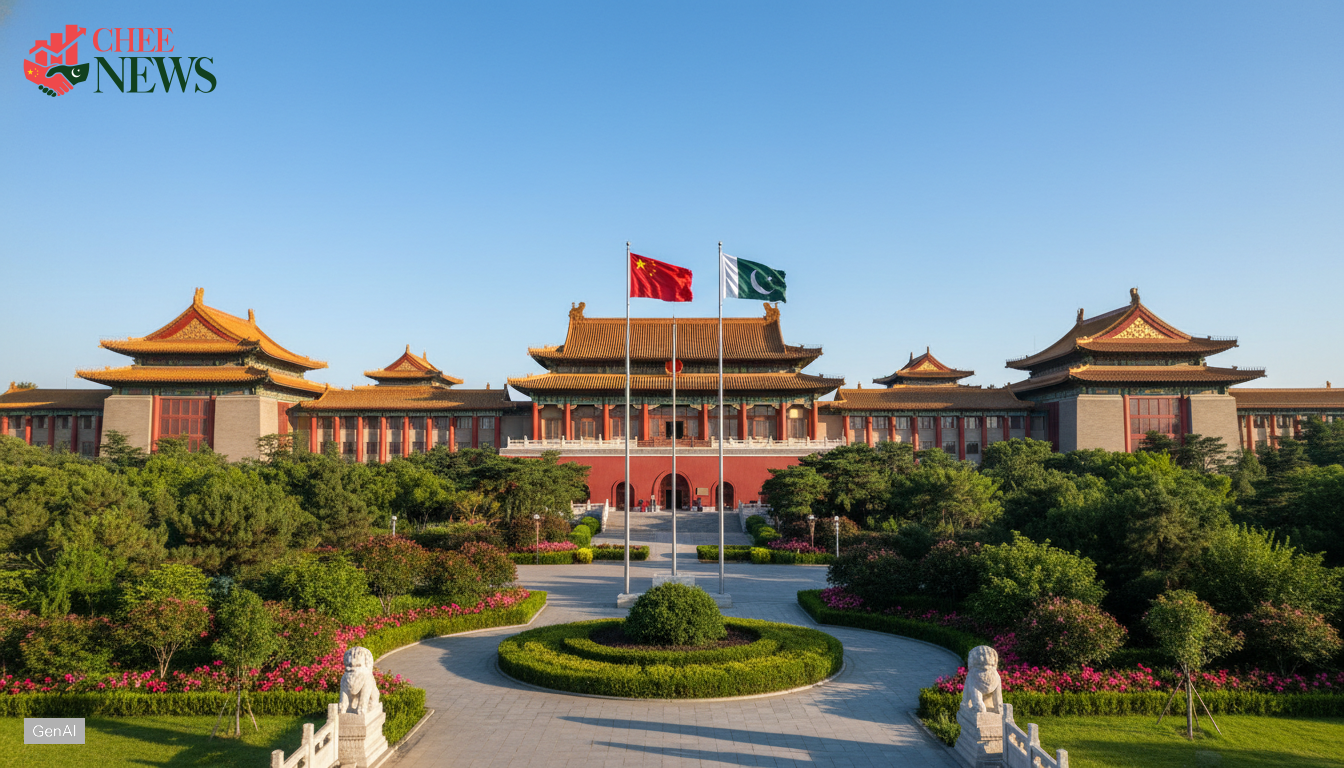
Xi and Shehbaz: What the latest China-Pakistan relations signal
China-Pakistan relations were placed at the center of Prime Minister Shehbaz Sharif’s recent engagement in Beijing, according to available reports from Dawn. Xi described the bilateral bond as resilient and linked it to practical coordination on security and economic connectivity, keeping China-Pakistan relations framed as a stabilizing channel during a period of heightened regional risk. The same reports indicated that Xi welcomed Pakistan’s diplomatic efforts regarding Iran, framing Islamabad as a partner able to communicate across tense regional lines. Pakistan’s delegation considered the signaling relevant to investors and external partners watching project continuity, high-level access, and the pace of follow-through.
China-Pakistan relations and Pakistan diplomacy on Iran peace efforts
Pakistan’s diplomacy on de-escalation with Iran was presented as a substantive contribution rather than a headline gesture. As indicated by Dawn, Xi acknowledged Pakistan’s role in Iran peace efforts during the meeting with Shehbaz, a point that connects political messaging to market sensitivity around energy and shipping routes. For related context on how conflict can ripple into trade and energy planning, readers have tracked China April Energy Imports Slide as Iran War Bites. Together, these signals show how diplomacy and commerce are being linked across the region. In parallel, regional commercial diplomacy has continued on other fronts, including Hong Kong outreach discussed by the South China Morning Post in Make use of Hong Kong’s advantages.
Why Beijing stresses continuity in China-Pakistan relations
The latest phrasing from Beijing signals continuity in how both sides present the partnership as strategic and resilient, while adding a timely policy hook through Iran-related diplomacy. Dawn’s account leaned on familiar themes, but the renewed emphasis on active coordination is also aimed at reducing perceived risk around cross-border connectivity and project timelines. Past coverage has shown how leadership meetings are used to synchronize positions on regional and global files, including the framing in Pakistan, China converge on regional, global agenda. The point is less about nostalgia and more about maintaining decision channels that can move quickly during crises. Repeated high-level engagements also help both capitals manage expectations among partners watching for consistency and policy discipline at venues such as Beijing meetings covered by Dawn.
Regional implications for corridors, security, and mediation
For neighboring capitals, the message carries implications for how China will navigate security and mediation dynamics while protecting major connectivity projects. By praising Iran peace efforts, Xi’s public language positions Islamabad as a potentially useful interlocutor when tensions rise and communication narrows, including for stakeholders tracking CPEC-linked routes. That framing can influence how Gulf states, Tehran, and Central Asian partners interpret Pakistan’s room to maneuver, and how they price diplomatic intentions before any formal initiative is announced. The signaling also places responsibility on Islamabad to show measurable follow-through, including consistent messaging and credible engagement with counterparts on multiple sides. The wider region continues to link diplomacy with investment narratives, including sector confidence captured in Chinese EV market rebounds in May as price wars bite as an example of how sentiment shifts can follow policy clarity.
What to watch next in China-Pakistan relations
Near-term cooperation will be judged by implementation rather than communiques, especially on security assurances, trade facilitation, and project governance. Reports from Dawn indicate that Xi referred to the ties as unbreakable, setting a high bar for delivery on the ground and for keeping political coordination steady. The most likely progress will come through incremental steps that reduce friction for logistics, payments, and investor confidence while avoiding moves that escalate regional rivalries, with China-Pakistan relations under continued scrutiny. China-Pakistan relations will also face scrutiny as both governments balance domestic economic pressures with external risk, requiring careful sequencing of commitments and realistic timelines. If Islamabad sustains credible diplomacy on Iran peace efforts and keeps economic coordination predictable, Beijing’s public endorsement can translate into clearer signals for businesses and for regional partners tracking policy direction.

