
China-Pakistan trade: Why soybeans matter now
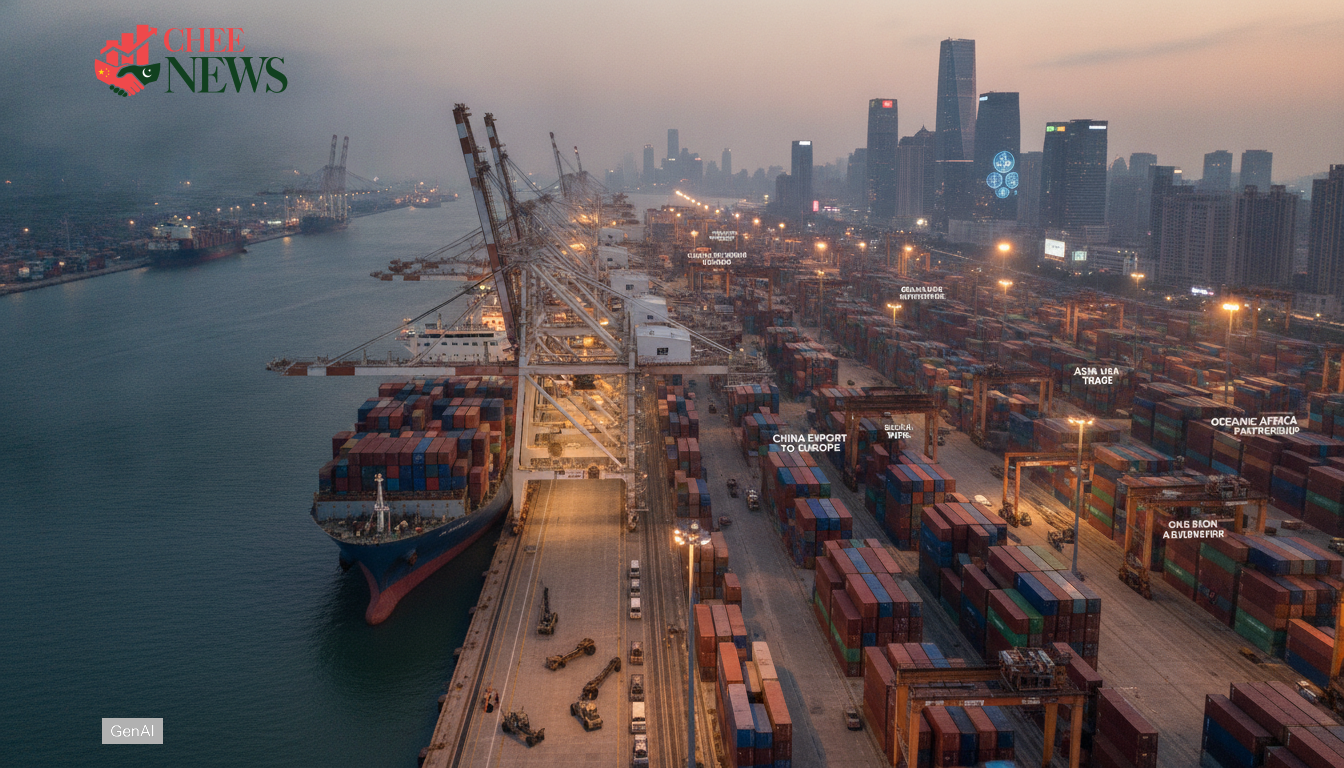
China-Pakistan trade planning is being recalibrated as China resumes soybean buying after a cautious stretch in global oilseed markets. When China returns to large-volume procurement, it can, according to market analysts, influence freight availability, supplier credit conditions, and benchmark pricing that Pakistan’s importers reference for edible oil and animal feed inputs. For Pakistan, the immediate question is not just where China sources soybeans, but how China’s demand may affect regional shipment timing and landed costs at Karachi and Port Qasim. These cost signals can feed into business decisions on letters of credit, inventory cover, and contract duration across the wider bilateral trade relationship.
China-Pakistan trade links to China’s soybean buying cycle
Recent buying signals have been noted by market watchers as part of a broader easing in trade frictions affecting agricultural flows, according to available reports. For Pakistan-based buyers tracking China-Pakistan trade conditions, the practical impact often shows up in freight rates, vessel scheduling, and the availability of supplier credit when Chinese demand absorbs shipping capacity. Confidence in logistics corridors can also shape expectations for transaction reliability, and readers tracking Huawei Shows Cluster, AI Agent Phone at China AI Summit can see how wider commercial cooperation influences cross-border coordination. In the same region’s financial backdrop, the South China Morning Post noted shifting sentiment in Chinese profit-taking triggers record gold ETF outflows amid shift to equities, a reminder that funding conditions for trade can tighten quickly.
Import costs, inflation, and Pakistan’s near-term gains
Pakistan’s upside from steadier soybean flows is mainly cost stability, not a sudden export surge. If China’s buying becomes more predictable, import-export planning can improve for crushers and feed manufacturers that manage time-sensitive documentation, demurrage risk, and currency exposure, according to industry participants. Even small moves in landed costs can affect poultry and livestock feed, where soybean meal competes with local substitutes. Pakistan’s import bill for soybeans and related products has reportedly fluctuated materially in recent years, so traders may use shorter contract cycles during volatility and extend coverage only when freight and pricing calm. For broader bilateral context beyond agriculture, readers following China-Pakistan trade alongside China-Pakistan relations deepen amid CPEC investment surge can track investment channels that can support trade facilitation.
Trade facilitation steps that expand bilateral flows
To translate calmer commodity cycles into wider China-Pakistan trade gains, firms and regulators tend to focus on measurable facilitation improvements, as trade bodies commonly recommend. Faster customs processing, consistent phytosanitary handling, and clearer documentary requirements can reduce clearance delays that raise per-ton costs. Letters of credit remain central for agricultural cargoes, so clearer bank compliance expectations and predictable inspection procedures can lower rejection risk, including at Karachi and Port Qasim. Investment-driven upgrades under connectivity programs can also help by improving storage and throughput at ports and along inland routes, and related coverage such as China oil imports climb as Middle East buying rises highlights how energy and freight dynamics can spill into broader shipping markets that affect oilseeds as well.
What to watch next for China-Pakistan trade in agriculture
Over the next 30 to 90 days, market participants will watch whether China keeps buying consistently or returns to stop-start purchasing that, traders caution, can tighten freight and increase basis risk. For Pakistan, the key indicators include nearby freight quotes into Karachi, the timing of vessel lineups, and the spread between soybeans, meal, and competing feed inputs. If volatility eases, processors may commit to longer coverage with less balance-sheet strain and fewer emergency spot purchases. The goal is a more predictable operating environment where China-Pakistan trade in agricultural inputs supports stable domestic food and feed pricing while keeping transaction costs contained through better scheduling and documentation discipline.

