
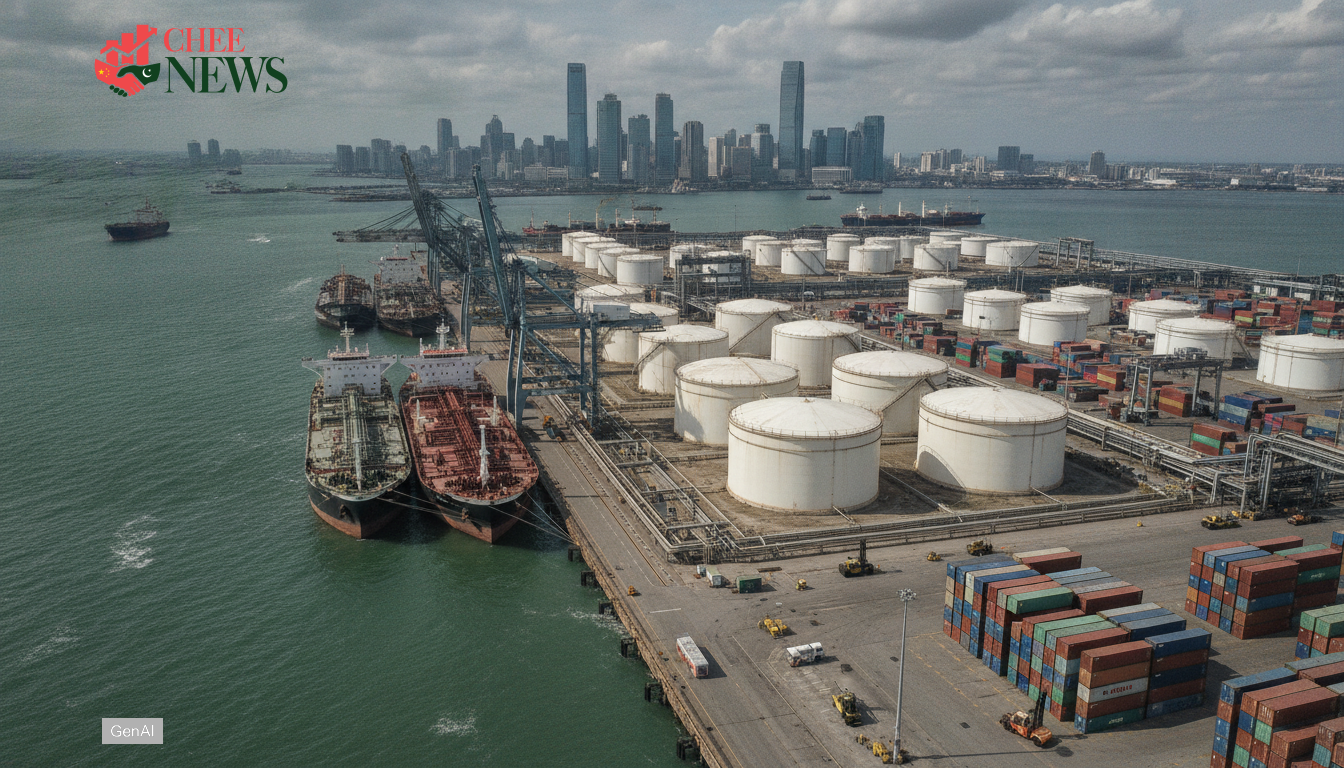
China oil imports: why refiners are buying more Middle East crude
Refiners are moving quickly to lock in cheaper cargoes as benchmark prices soften. This shift is reportedly changing near-term trading patterns, with traders pointing to narrower differentials for term barrels versus some spot alternatives and to route reliability in freight and insurance planning. China oil imports are increasingly tilting toward Middle East grades that can be delivered on predictable schedules under long-term supply relationships, as indicated by market participants. The effect can be tighter competition for prompt cargoes that match refinery configurations. The Financial Times has reportedly observed increased buying during price dips, with stronger interest from state-linked buyers and some independents. Market participants also watch how procurement timing can influence pricing signals and volatility across Asia.
Import volumes and suppliers: recent figures and key exporters
According to China’s General Administration of Customs data, crude imports averaged about 11.3 million barrels per day in 2023. In supplier rankings, Saudi Arabia and Russia have reportedly traded places as the top source in recent years, with Iraq and the UAE also commonly cited among major exporters. In 2024, publicly reported monthly arrivals have often been described as moving around the 10 to 12 million barrels per day range, depending on refinery runs and stockpiling. Traders suggest term allocations and official selling prices set by Gulf producers help shape buying windows, especially when prices fall. Related policy and trade frictions that can redirect supply chains are discussed in US weighs ban on Chinese inverters as industry warns, and shipping availability through the Strait of Hormuz and Red Sea risk premiums can still alter the economics week to week, according to shipping and trading sources.
What falling prices mean for trade flows and tanker routes
Oil price pullbacks are often linked to demand uncertainty and expectations about supply discipline, and traders may shorten exposure when headline risk rises, according to market commentary. In that context, China oil imports are watched as a physical signal that can shift sentiment in futures markets and regional differentials. Cross-border commodity signals, where procurement timing influences pricing, are also explored in China soybean trade signals keep soybeans drifting. A key mechanism is logistics: higher Middle East loadings into Asia can tighten tanker supply on long-haul routes, changing freight costs and delivery timing for refiners, traders, and shipbrokers say. It can also affect refinery margins by altering crude slates and product yields. The balance of spot discounts and freight costs often determines whether buyers pivot between Atlantic Basin and Gulf barrels, as traders suggest.
Energy security and compliance: stocks, sanctions, and risk controls
Beijing’s approach is reportedly rooted in supply security, and the preference for diversified routes and sellers has tightened procurement discipline across refiners, according to available analyses. When prices are favorable, strategic stockpiling can amplify import requirements even if immediate consumption is steadier, which can create swings in monthly arrivals, analysts indicate. Flows linked to sanctioned sources can fluctuate with enforcement pressure, payment channels, and shipping availability, pushing buyers to maintain alternative barrels from Gulf producers. Middle East suppliers often emphasize reliability through term contracts and stable loading programs, while Chinese buyers balance cost against geopolitical and shipping risk. The practical goal is to keep inventories resilient and reduce vulnerability to disruptions across key chokepoints. The result, according to industry sources, is a preference for flexible sourcing options alongside long-term relationships.
Outlook: how China oil imports could reshape supplier strategy
Higher Middle East liftings into Asia could reshape tanker deployment, refinery margins, and the bargaining dynamics of annual supply talks, traders and analysts suggest. Producers may respond by defending market share through official selling price adjustments, destination flexibility, and investments in upstream capacity and export terminals, according to industry commentary. For markets, the key question is whether strong buying reflects short-term opportunistic purchases during a dip or a longer shift in procurement patterns driven by policy, inventories, and logistics. Competing exporters can still win barrels through pricing, credit terms, or blending strategies, but reliability and deliverability tend to matter more when freight risk rises, market participants say. A sustained tilt could also affect petrochemical feedstock costs and product export competitiveness across the region, analysts note. Either way, the import signal is likely to remain central to how traders interpret Asia’s demand outlook.

