
Why Chinese EV makers are expanding overseas
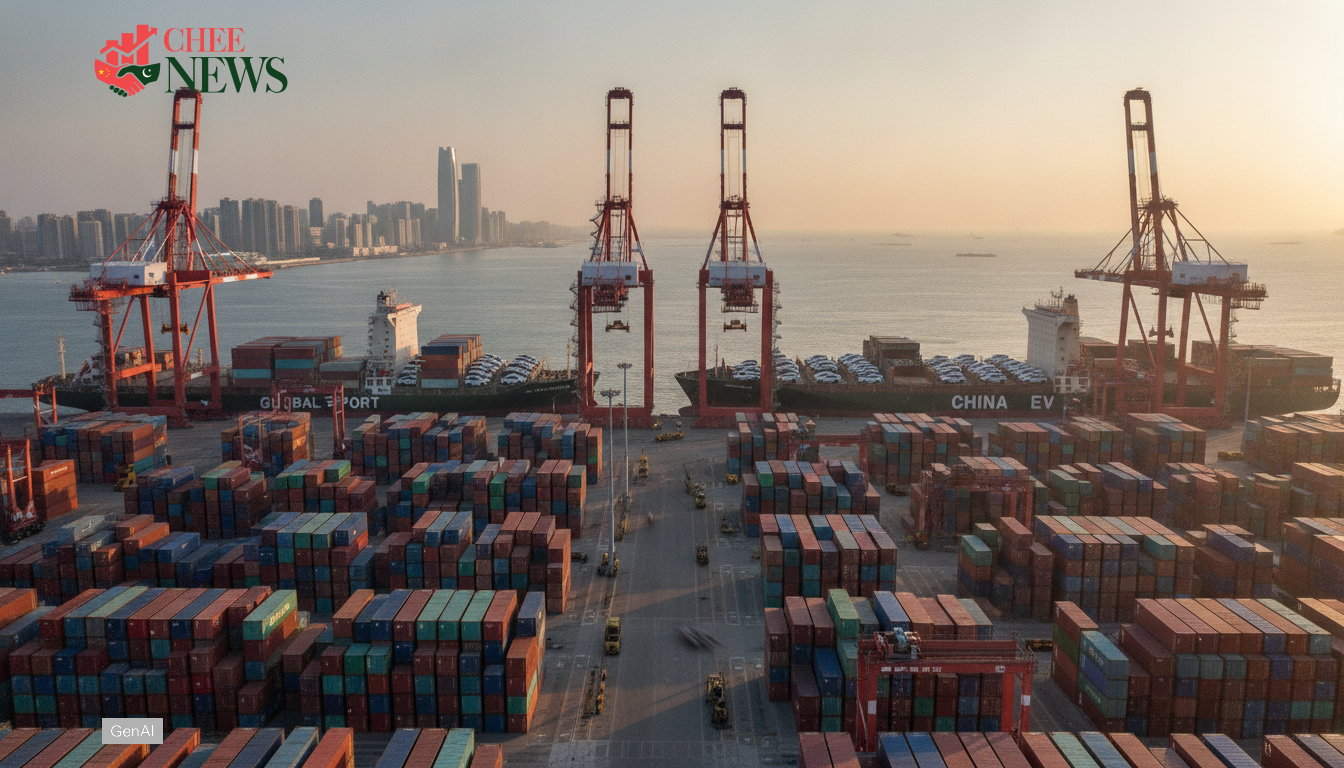
Chinese EV makers are moving capital overseas swiftly as they pursue new plants, ports, and battery supply contracts outside their home market. Executives and advisers tracking deal flow suggest Chinese EV makers are taking a lead in siting factories closer to demand centers to cut logistics costs and reduce policy friction. According to CNBC, overseas investment announcements from Chinese brands have recently outpaced those tied to major U.S. automakers, indicating that capacity placement is becoming as important as exports in 2024. The spending push also targets components that set sticker price, especially batteries and power electronics, allowing new nameplates to arrive faster in more regions.
Chinese EV makers vs U.S. automakers on overseas investment
The strategic gap shows up in where projects land and how they are structured, with greater emphasis on integrated supply chains than single assembly lines. In the EV industry, durable cost advantage often comes from controlling cell sourcing, cathode chemistry, and pack integration, as Chinese EV makers position capacity near demand. CNBC’s reporting framed the comparison around overseas automotive investments and the pace of announced facilities. Policy incentives may also reshape corporate planning, as seen in China pay reforms target AI income inequality gap. U.S. automakers still pursue partnerships abroad, but timelines and supplier depth can differ, potentially affecting how quickly localized production begins and stability of pricing once a model launches.
Supply chains and pricing behind China’s EV growth
Recent momentum is driven by execution discipline that compresses development cycles and keeps new models flowing into multiple regions simultaneously. For electric vehicles, the operational edge involves the ability to iterate software, motors, and battery management quickly while maintaining high-quality production volume, which Chinese EV makers emphasize in competitive bids. Analysts cited by CNBC associate growth with manufacturing scale and competitive pricing that performs better when paired with overseas capacity. Chinese EV makers also benefit when suppliers follow them, establishing component ecosystems that reduce ramp risk for new plants and lower unit costs through shared tooling.
Parallel dynamics are evident in other capital corridors, such as Chinese investment in Pakistan powers renewables shift, where upstream investment supports downstream deployment. The investment logic is to bring financing, contractors, and suppliers early, enabling faster transitions from announcement to build. Chinese EV makers often use the same approach. Regulatory timing can influence construction schedules, as discussed in SCMP on Northern Metropolis fast track laws. These factors contribute to why localization is regarded as a growth strategy rather than just a defense mechanism.
Global market impact of Chinese EV makers
Competition is intensifying across segments, encouraging incumbents to defend share through pricing, financing, and quicker product refreshes rather than relying solely on brand legacy. As more factories are proposed abroad, host governments have increased leverage to demand jobs, technology transfer, and compliance commitments, while automakers benefit from tariff-friendly production. Chinese EV makers are central to this shift. CNBC noted that overseas build-outs can stabilize deliveries and ensure parts availability, accelerating scale. For U.S. brands, the impact is less about losing one market and more about margin pressure from comparable features at lower prices. Consumers might see enhanced standard equipment, but suppliers and dealers face faster model turnover.
What’s next for Chinese EV makers and the EV industry
The next phase is expected to reward companies that can synchronize factories, batteries, and software across regions without losing cost discipline. In automotive investments, investors will observe whether more projects include cell production, recycling, and grid support services that transform plants into energy hubs. Chinese EV makers continue to expand their footprints. CNBC’s coverage suggests the contest is shifting from export volume to capturing value along the supply chain. Policy risk remains significant, as permitting, labor rules, and localization requirements can shift launch dates by quarters. U.S. automakers might still compete by shortening development cycles and improving supplier integration.

