
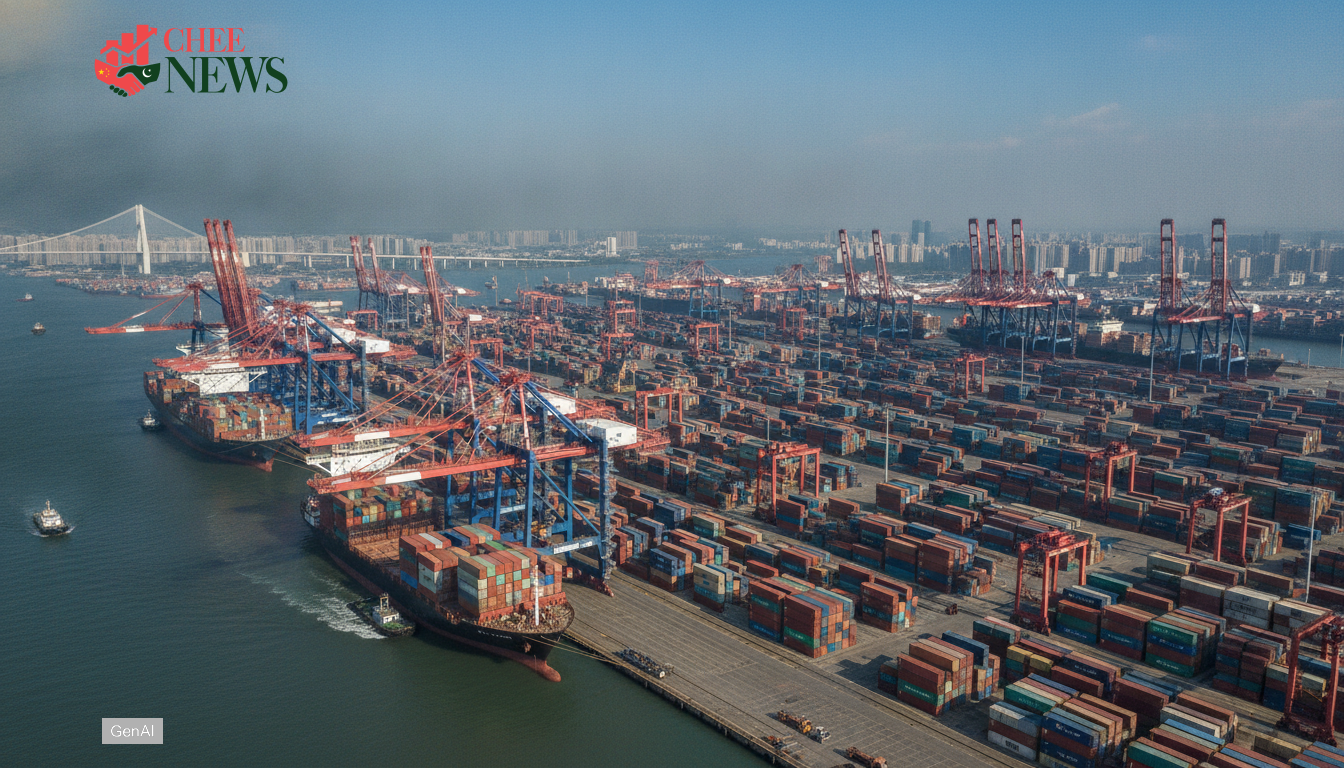
China exports surge in June: what the data showed
China exports accelerated in June, signalling a shift in the pace of outbound shipments after a softer spring. According to available reports from Reuters, the June rise was described as the fastest pace since 2021, led by higher margin electronics and fast moving components. Customs figures cited by Reuters pointed to broad based gains across consumer electronics, industrial inputs, and some vehicle related categories, even as pricing pressure persisted in parts of manufacturing. Analysts quoted by Reuters suggested that inventory restocking abroad, not only price discounting, helped lift volumes. Port operators and forwarders also reported steadier container bookings and shorter lead times versus earlier in the quarter, suggesting improved throughput across key export corridors.
AI hardware demand reshapes China exports mix
The AI buildout is affecting trade through demand for servers, networking gear, and supporting supply chains such as power and cooling equipment. Reuters linked part of the June jump to AI related shipments, including data centre components and precision parts used in advanced manufacturing lines. In a related policy and standards context, China sets AI safety benchmark for frontier models shows how the regulatory backdrop can influence which products move fastest across borders. The same Reuters reporting indicated that manufacturers scheduled production runs to match overseas procurement cycles, while logistics firms shifted capacity toward higher value cargo and tighter delivery windows.
Tariff timing pulls forward China exports shipments
A second driver was shipment front loading to stay ahead of potential tariff changes and compliance deadlines in several markets. As indicated by Reuters, some exporters accelerated deliveries to lock in existing rates, behaviour that can temporarily lift headline growth before a payback period. Trade lawyers cited by Reuters also pointed to tariff incentives shaping routing choices and documentation practices, and for regional trade corridors and financing channels, see China-Pakistan relations: Panda Bonds and Space Links. The mix matters for importers managing exports to China through intermediate hubs, because rules of origin and component thresholds can alter final pricing. Exporters also reported shifting more cargo to sea freight where possible to protect margins.
Key markets, sectors, and economic implications
The strongest gains were concentrated in markets buying electronics, machinery, and components tied to compute expansion, while lower value consumer goods stayed more price sensitive. As reported by Reuters, the breadth of the increase suggested more than a single sector boost, even as AI linked goods carried outsized influence on value. Currency moves and freight costs also shaped contract timing, with some firms using shorter invoicing cycles to reduce exposure, according to economists mentioned by Reuters. Reuters’ June coverage of China exports also underscored how these shifts can diverge from discretionary demand. Separately, Hong Kong Book Fair vendors on the same page about this year’s sales illustrated uneven discretionary demand that does not benefit directly from industrial investment waves.
Outlook for China exports through 2025
Forward indicators hinge on how long the pull forward effect lasts and whether the AI capex cycle continues to expand across regions. According to available reports from Reuters, a payback is possible in coming months if orders were moved earlier to avoid tariff risk, but they also pointed to structural demand for compute infrastructure and specialised manufacturing equipment. Policy direction also matters for factories and households; China five-year plan shifts to consumption-led growth outlines the broader rebalancing context that can influence production planning and export capacity allocation. In that setting, China exports in 2025 are increasingly framed by product mix rather than pure volume, with higher tech categories supporting values even if unit growth moderates.

