
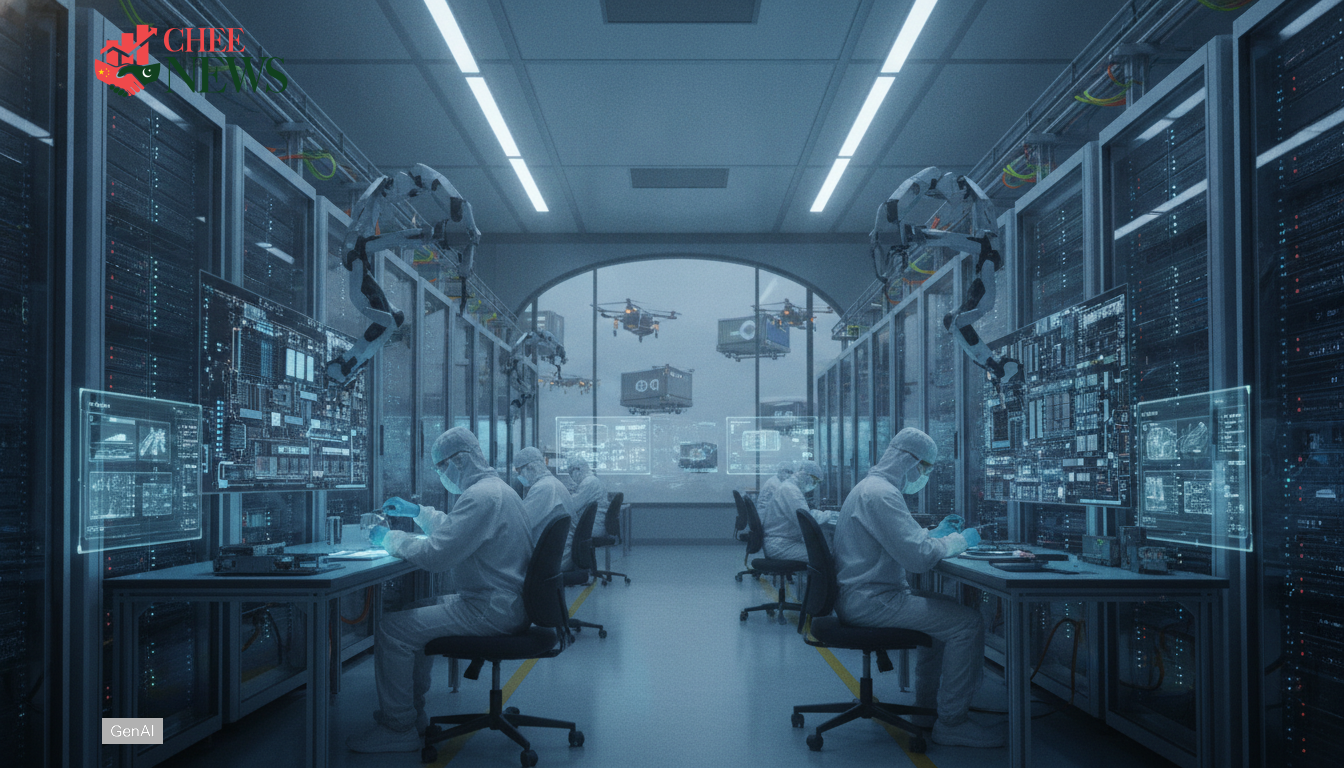
H200 chip shipments: what the US is allowing
H200 chip shipments to China have started, a US official told Reuters, signaling that some advanced AI accelerators are moving under a licensing framework even as broader curbs remain. The approach reflects a narrower, license-based pathway for certain data-center GPUs, while keeping restrictions for the most sensitive performance tiers. Compliance remains central because approvals can be tightened, paused, or expanded based on end use and security assessments. The Bureau of Industry and Security at the US Commerce Department enforces the Export Administration Regulations that govern these transactions. For exporters and buyers, the practical question is whether deliveries can proceed predictably through screening, documentation, and customs clearance.
How the reported exports fit into US controls
Reuters attribution matters because it reduces uncertainty around how rules are being applied in practice. Even when these exports are permitted, firms still must manage license terms, end-user checks, and recordkeeping that can add time and cost. The broader context is evolving demand for AI compute in China and how policy intersects with deployment priorities. Coverage of domestic governance signals, including safety evaluation regimes, provides added context in China sets AI safety benchmark for frontier models. Buyers will weigh availability, software ecosystem support, and the reliability of supply. Suppliers, meanwhile, will watch for updated guidance that clarifies thresholds, restricted parties, and any changes in reporting expectations.
What the H200 chip is used for in AI data centers
The shipments matter because H200 is positioned as a high-performance AI accelerator for training and inference workloads in data centers, where throughput and memory bandwidth can shape model deployment choices. A Reuters report that H200 chip shipments have begun draws attention to what is, and is not, allowed under current tech-export controls. Procurement teams typically evaluate total cluster capacity, lead times, and integration with existing toolchains. On the device and consumer side, China’s AI hardware push is also accelerating; the South China Morning Post detailed new efforts in StepFun AI smartphone claim. That broader momentum can influence demand for upstream compute across cloud and enterprise buyers.
Trade and supply chain implications for US-China technology
Allowing some H200 chip shipments while keeping other limits in place indicates a calibrated stance in China technology trade rather than a broad reopening. Reuters reporting provides markets a concrete data point, but it does not remove structural frictions that influence licensing and compliance decisions. Outcomes will also depend on whether Chinese buyers diversify orders across vendors and whether alternative accelerators, including domestic options, fill gaps at acceptable cost and performance. Shifts in AI-related demand can show up in trade indicators monitored across the region; related context appears in China exports jump in June as AI and tariffs pull orders. Supply planning is likely to remain cautious, with contracts reflecting contingencies around approvals and delivery schedules.
What comes next for US-China tech relations
According to available reports, shipments proceeding under existing rules imply that US-China technology ties are being managed through selective permissions rather than blanket bans, as described by Reuters citing a US official. The Commerce Department’s Bureau of Industry and Security remains central to interpreting and applying export controls, and counsel will monitor any clarifications on performance thresholds and end-user categories. On the industry side, planning will hinge on whether H200 chip shipments continue consistently, or whether enforcement actions and rule updates introduce delays. Firms may treat this episode as a practical precedent for how quickly licensing translates into physical deliveries and operational capacity.

