
Solar Power China: Solar Overtakes Coal in Capacity
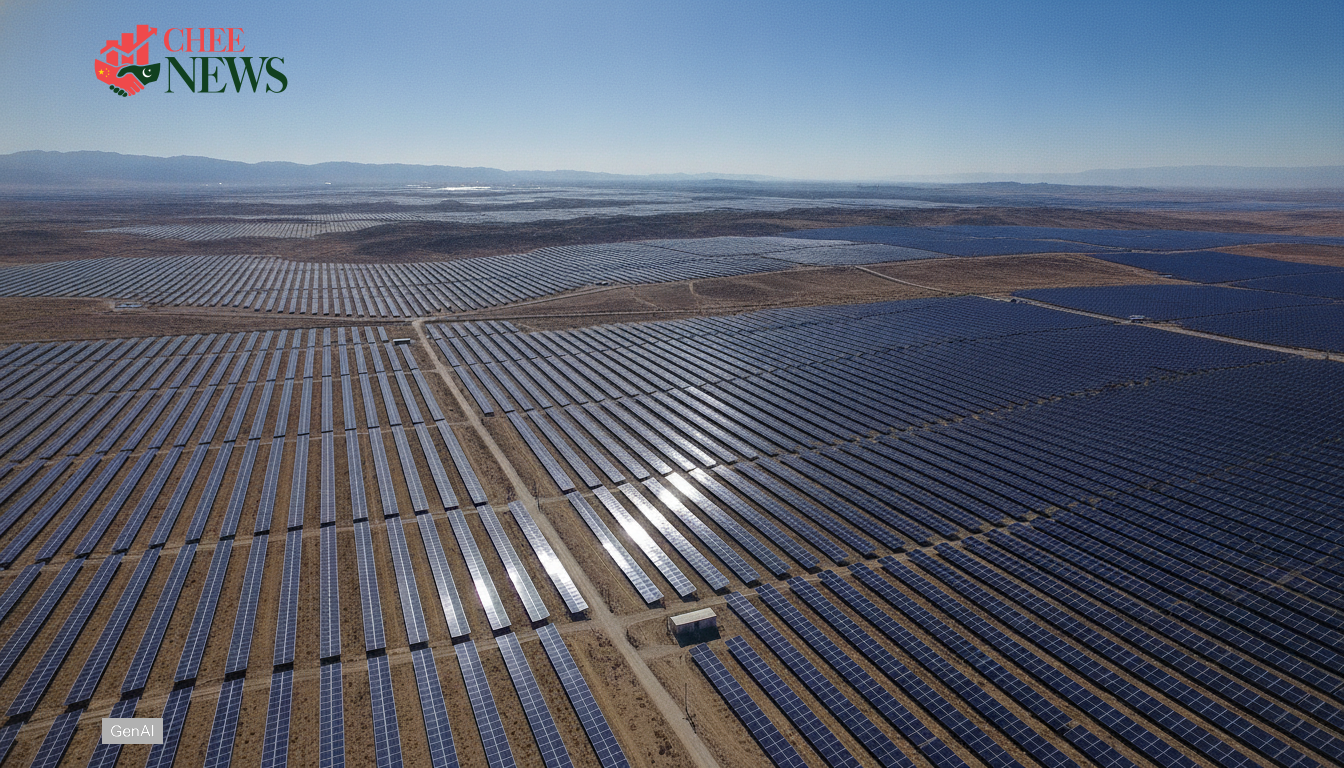
Solar power China has crossed a symbolic threshold as solar becomes the country’s largest source of installed generation capacity. According to available reports, solar overtook coal in installed power capacity in 2024, showing how quickly projects have been connected across multiple provinces. In practical terms, the momentum reflects manufacturing scale, lower module prices, and fast construction cycles compared with thermal plants, as indicated by Reuters, and solar power China is increasingly treated as core buildout rather than a niche add-on. Grid operators are now managing more variable output while trying to keep reliability targets steady during seasonal demand peaks. The change also tightens competition for dispatch hours, pressuring older coal units that rely on high utilization to stay profitable.
Grid Integration and System Planning After the Shift
With more solar capacity on the network, planning is shifting from headline additions to system integration, with permitting and grid connections taking priority over raw build numbers. For added context on the capacity milestone, see China solar energy overtakes coal in power capacity, as Reuters linked the capacity milestone to efforts to balance energy security with emissions goals, as provinces reportedly revise their power planning rules and utilities accelerate substation upgrades. The National Energy Administration issues regular guidance on renewable integration and curtailment control, and grid firms have expanded ultra high voltage transmission to move power from western regions toward coastal demand centers, according to Reuters.
Policy Signals, Pricing Reform, and Market Rules
Beijing’s policy focus is increasingly about market rules that reward flexibility alongside clean buildouts. Reuters has tied the capacity crossover to reforms in power markets and pricing, including steps to broaden spot trading and reduce curtailment where local grids are congested, and solar power China sits at the center of those market design choices. In 2024, officials have emphasized better forecasting, faster interconnection timelines, and clearer revenue pathways for storage paired with utility-scale solar, according to Reuters. A related example of digital infrastructure supporting forecasting and dispatch is Shanghai space-computing hub speeds on-orbit data processing.
Reliability Challenges and Flexibility Options
The new hierarchy creates operational challenges that only become visible at scale. Even with the installed capacity crossover reported by Reuters, reliability still depends on weather swings, transmission bottlenecks, and how fast flexible resources are added. Electrification trends also matter; NIO EV sales rise as losses narrow and outlook improves shows how coordinated charging could become a controllable load that helps absorb midday generation and reduce curtailment. Solar output can surge at midday and fall quickly near sunset, raising the value of pumped hydro, batteries, and demand response. In many regions, photovoltaic buildouts are constrained by where demand is concentrated versus where land and sun are abundant, increasing reliance on long distance lines and local grid reinforcement.
Coal vs Solar in China: What Capacity Does and Does Not Mean
The shift in installed rankings does not mean coal has lost its operational role, since coal plants often provide firm capacity and ancillary services during tight hours. Reuters’ framing underscores that capacity and generation are different measures, and coal can still dominate output in periods when solar production is low. For additional reporting context beyond Reuters, see the South China Morning Post here: Power failure halts trams running between Hong Kong’s Wan Chai and Admiralty, while the economics are changing as new renewable connections expand and wholesale prices reportedly compress during sunny intervals. Still, a modern coal unit’s advantage is controllability, but it faces higher marginal costs and tightening environmental constraints. A utility scale solar project can be built faster and financed with different risk profiles, yet it depends on grid access and balancing tools.

