
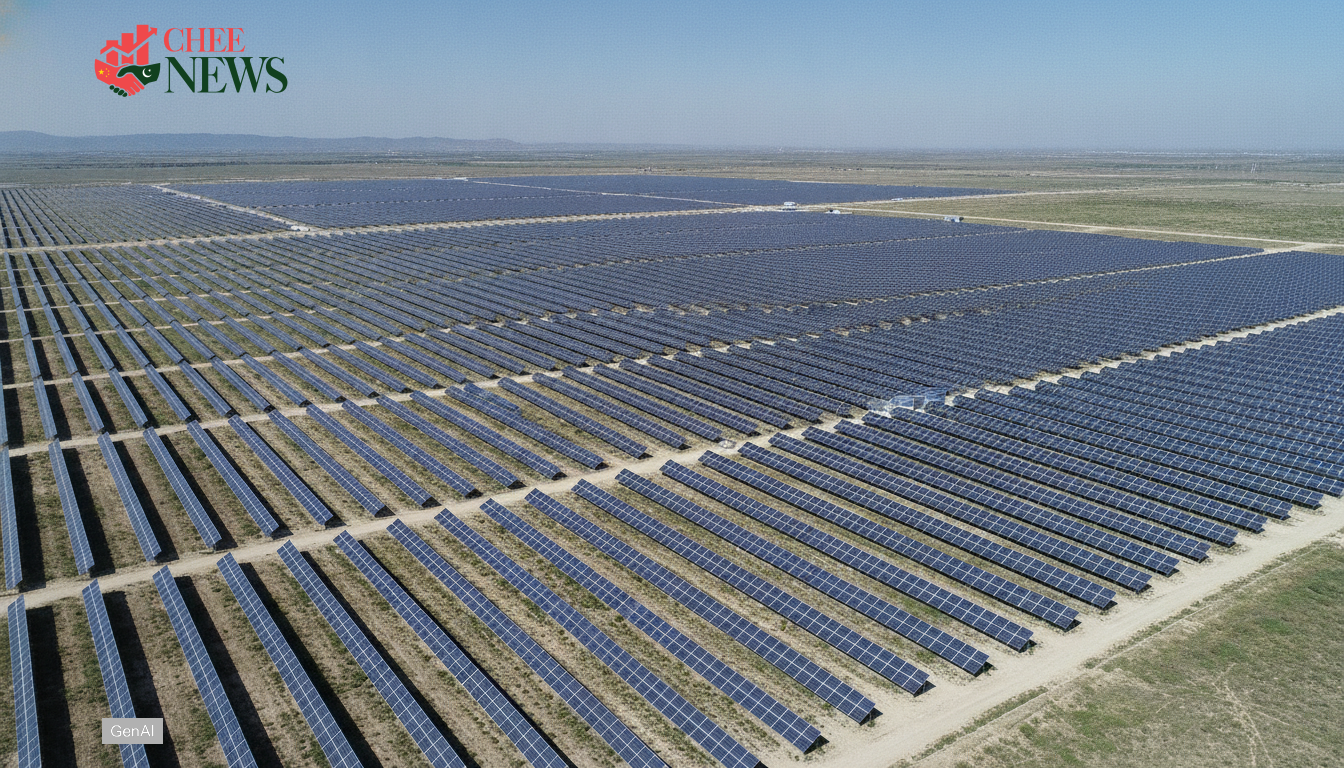
China solar energy surpasses coal power capacity
China solar energy has moved ahead of coal as the country’s largest installed power source, as indicated by Reuters, marking a milestone that reshapes how planners, grid operators, and investors read the power mix. The shift reflects rapid additions of utility scale solar across multiple provinces and continued approvals that kept construction pipelines full, as China solar energy projects accelerate interconnection. While coal generation remains important for reliability, the capacity ranking matters because it signals which technology dominates the system that policymakers track most closely. The change also raises new questions about curtailment, interconnection queues, and how quickly flexibility can be added to balance variable output.
What drove China solar energy growth in 2024
The immediate driver is fast commissioning and grid connection work for large solar projects, alongside steady expansion of transmission and balancing resources. According to available reports from Reuters, new solar additions are arriving at a pace that outstrips coal capacity growth, which compresses timelines for interconnection studies and curtailment controls, and China recyclers feel impact as US export controls tighten shows how trade and compliance rules can ripple through clean tech materials handling and project inputs. Supply chain scale has helped keep modules available, yet downstream constraints are increasingly about networks, substations, and dispatch rules rather than equipment availability. In 2024, China solar energy growth has increasingly been shaped by these grid and policy bottlenecks rather than panel supply.
Grid reliability and market reforms after the milestone
Beijing’s policy calculus is changing because a larger solar fleet increases pressure to reward flexibility, storage, and demand response while maintaining reliability targets. As reported by Reuters, coal still plays a firming role, but operational expectations for coal plants are shifting toward providing ancillary services and supporting peak demand rather than only producing energy, as China solar energy becomes a larger share of installed capacity. Grid companies face tighter requirements on frequency control, reserve margins, and dispatch efficiency as variable capacity grows. For readers tracking the capacity milestone and the immediate planning questions, China solar energy tops coal in installed power capacity provides a focused summary of the inflection point and what it implies for provincial decision making.
Global implications of China solar energy leadership
Because China is the world’s largest power market, the rise of China solar energy as the top installed capacity sends signals to commodity traders, equipment suppliers, and climate negotiators. According to Reuters, the solar lead over coal is linked to China’s scale in panel manufacturing and domestic deployment, which together influence global module pricing, project timing, and competitive dynamics for developers elsewhere. A higher share of variable capacity also increases the value of proven grid technologies, including high voltage lines, software, and storage components, as China solar energy output variability becomes more system-relevant. For coal exporters, the shift complicates demand forecasts because capacity leadership does not automatically reduce near term coal burn when hydropower availability or weather patterns change.
What comes next for China solar energy buildout
The next phase depends on whether grid buildout, interprovincial transmission planning, and market reforms keep pace with the solar pipeline that developers continue to advance, especially for projects located far from coastal load centers. According to reports from Reuters, the economics of peaking resources and flexibility additions will be tested as more projects connect far from coastal load centers, raising the importance of capacity payments, tariffs, and dispatch rules, and China solar energy developers will be watching these signals closely. Progress will be measured by lower curtailment and better utilization, not only by adding nameplate capacity. If reforms deliver stronger incentives for storage and flexible demand, China solar energy could translate its capacity lead into deeper emissions cuts while preserving reliability benchmarks that regulators prioritize.

