
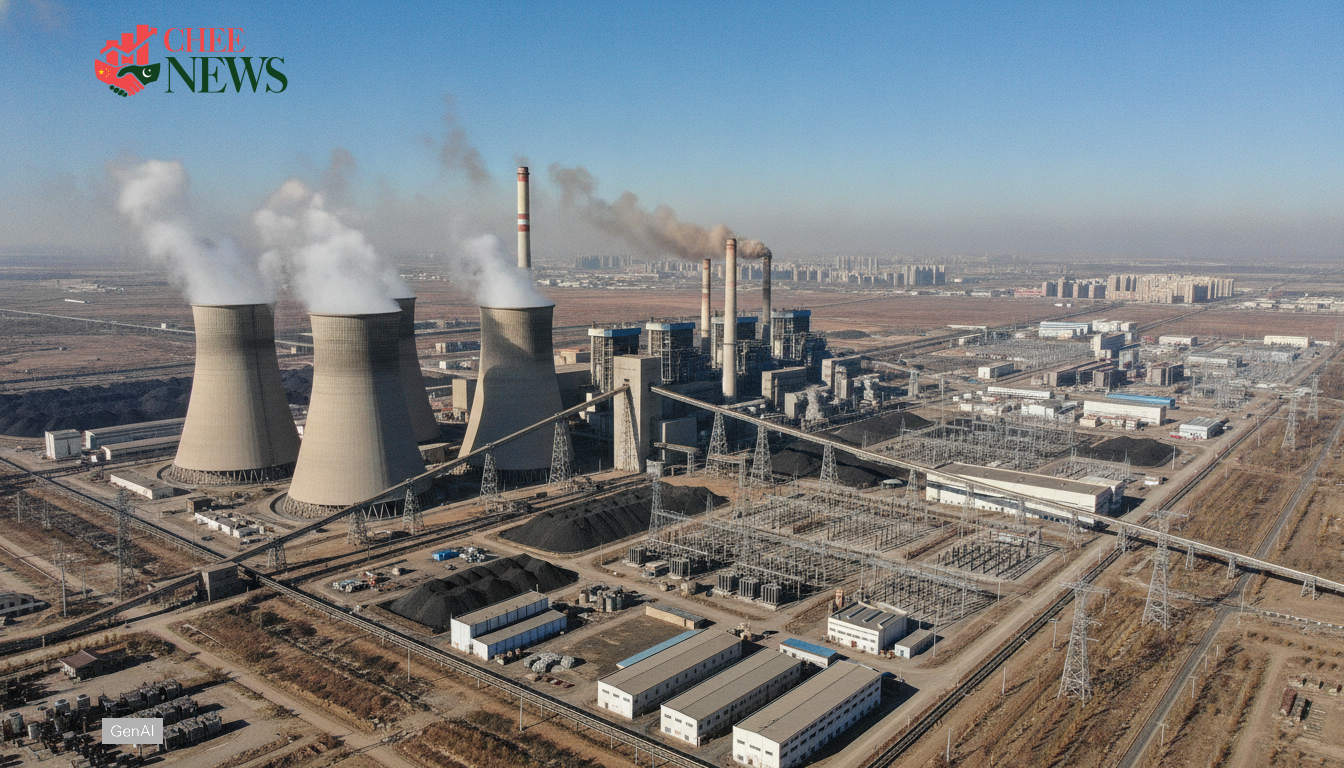
China coal power expansion resumes in 2026
China coal power appears to be picking up again in 2026 as planners approve and commission new units after the prior slowdown, as indicated by available reports and public documents. Provincial plans describe additions as reliability insurance for peak demand and hydropower challenges, based on planning documents and summaries. Observers suggest the buildout is treated as firm capacity to pair with renewables, rather than a return to coal-led growth. The National Energy Administration has stressed power security in policy messaging, and this tone is reflected in local implementation and planning. In 2026, planners in regions like Shanxi and Inner Mongolia have echoed these themes. The shift may influence utilities’ maintenance scheduling, coal stockpile management, and capacity payments, varying by market design.
Global energy policy implications
The reacceleration is noted in global forums as governments assess their own power planning in light of China’s approach, according to energy analyst commentary. Energy decisions also relate to industrial competitiveness and capital flows, as seen in trade discussions like the China trade criticism and yuan debate. For energy ministries, the question is whether coal additions alter expectations for infrastructure and fuel trades. For coal-reliant countries, the indication is that reliability can surpass retirement plans when grids are strained, as noted in recent commentary. This can complicate negotiations in climate talks by widening gaps between goals and dispatch realities.
Economic and environmental considerations
Economically, new builds may reduce outage risk but also heighten fuel and financing exposure if utilization is low, as many analysts caution regarding coal asset risk. Banks and regulators model these risks using stress tests, according to risk reports. Trackers also differentiate large central projects from smaller units, where coal may support manufacturing. Regional spillovers are important, including logistics links noted in China-Pakistan trade grows as CPEC links deepen. For emissions, a critical factor is plant utilization rather than sheer numbers. Compliance regimes rely on continuous monitoring where applicable, and projects may balance jobs against air-quality enforcement.
Integrating coal into China’s grid strategy
China’s strategy appears to focus on building a resilient power system to manage demand growth and renewable variability, based on official plans. Coal plants are framed as support for shortfalls, while transmission and storage expand to distribute clean power. The pace and success of these projects depend on delivery and grid constraints. National guidelines emphasize integrated planning of generation, grids, and demand response, and provinces are aligning with these needs variably. Planners argue that coal does not replace renewable investment but complements it in areas with curtailment and congestion risks. Industrial investment can affect partners, as noted in Chinese investment in Pakistan shifts tech supply chains. For utilities, this may influence procurement of flexible units meeting pollution standards.
Investor reactions to China’s coal strategy
Other economies might adjust by focusing on competitiveness policies, scrutinizing supply chains, and accelerating work on storage and demand response, based on investor notes. Markets that anticipated rapid coal retirements might see risk repricing, particularly where gas and nuclear timelines are challenging, as acknowledged in market analyses. In Asia, shifts in demand signals can affect coal prices and contract terms, influencing electricity tariffs and inflation sensitivity, depending on import exposure. Security analysts also highlight how energy choices interconnect with regional dynamics, such as those reported by the South China Morning Post regarding the Fujian carrier transit during drills. Governments seeking resilience may focus on flexible grids, storage, and demand response to avoid dependency on single fuels while ensuring reliability.

