
China Targets Strategic Growth in Latin America
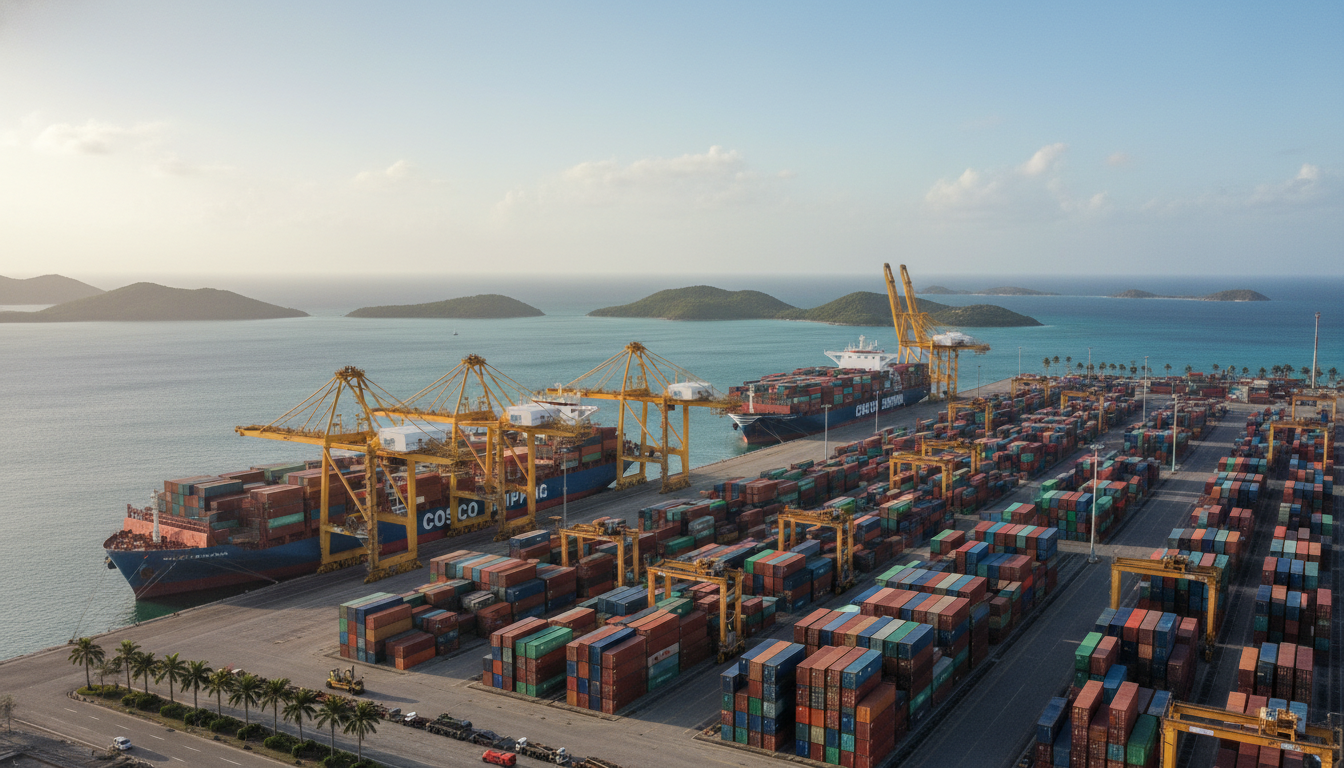
Beijing is moving quickly to deepen economic ties across Latin America and the Caribbean, positioning new financing as a direct tool of statecraft. Officials in Beijing have highlighted fresh credit lines and project pipelines aimed at logistics, energy, and digital connectivity that can be executed quickly. Midway through the push, Chinese investment in Latin America is being framed as a competitive alternative for governments seeking capital without long negotiation cycles. In market commentary carried Live by regional business outlets, diplomats have stressed that funding will be tied to deliverables and trade facilitation. Negotiators say the next Update will focus on project screening and repayment terms. The initiative is being watched closely by finance ministries balancing growth targets and currency pressures.
Economic Implications and Global Reactions
Investors are parsing what the new commitments mean for debt sustainability, procurement, and local jobs, as governments try to lock in near term gains. In a Today briefing to business groups, officials in several capitals emphasized that any financing must align with national development plans and transparent tendering rules. Coverage has also linked the Caribbean angle to broader diplomatic messaging, including Beijing Backs Havana as US Sanctions Tighten, which underscores how sanctions policy and credit can intersect. The South China Morning Post reported that China’s consul in Tijuana called protectionism a dead end amid trade tensions, detailed in SCMP report on the Tijuana consul remarks. Analysts expect another Live round of bond market reaction as terms become clearer.
Comparing U.S. and Chinese Influence in the Region
Washington is tracking the pledge as part of wider US-China relations, where infrastructure financing and supply chain access are increasingly treated as security issues. Regional diplomats note that the United States often emphasizes governance standards, private sector mobilization, and security cooperation, while China foregrounds speed, engineering capacity, and state backed credit. In a Today market note, economists said the contest is less about rhetoric and more about which side can execute projects without cost overruns and political backlash, and readers have compared developments to US tariff reprieve shakes China export hubs fast for context on how trade policy shifts shape the broader contest. An Update in the coming weeks is expected to map which ports, grid upgrades, and data links move from memoranda to signed contracts. Live scrutiny will remain intense as parliaments review obligations.
Long-term Impact on Regional Economies
The long horizon question is whether new financing changes productivity or simply raises rollover risk, especially for smaller states managing tourism dependence and hurricane exposure. Caribbean investments tied to resilient power systems and port hardening can boost trade continuity, but only if procurement, pricing, and maintenance are managed well, economists warn. In one Live interview cycle, central bank officials said they are prioritizing projects that generate foreign exchange and reduce fuel import bills. Mid paragraph, Chinese investment in Latin America is also being assessed for its ability to support nearshoring corridors and value added manufacturing rather than just moving commodities faster. An Update from fiscal authorities is likely to detail how new projects will be recorded on balance sheets and whether public private structures are used. Today, lenders are watching for clearer disclosure on grace periods and currency risk.
Future Prospects and Diplomatic Developments
Diplomatic calendars now matter as much as engineering plans, because timing can determine whether agreements survive election cycles and leadership changes. Governments are signaling that near term wins will come from projects already designed, where permitting and land acquisition are settled and financing can be drawn quickly. In a Live policy discussion, senior officials described global influence as increasingly transactional, with votes in international forums and access to strategic minerals linked to economic cooperation packages. Midway through the next phase, Chinese investment in Latin America will be judged by delivery, including whether promised disbursements arrive on schedule and whether contractors meet local labor and environmental rules. Another Update is expected as delegations finalize sector specific memoranda and outline dispute resolution mechanisms. Today, ministries are also preparing communications plans to manage public skepticism around sovereignty and debt.

