
China’s Trade Surplus and Economic Objectives
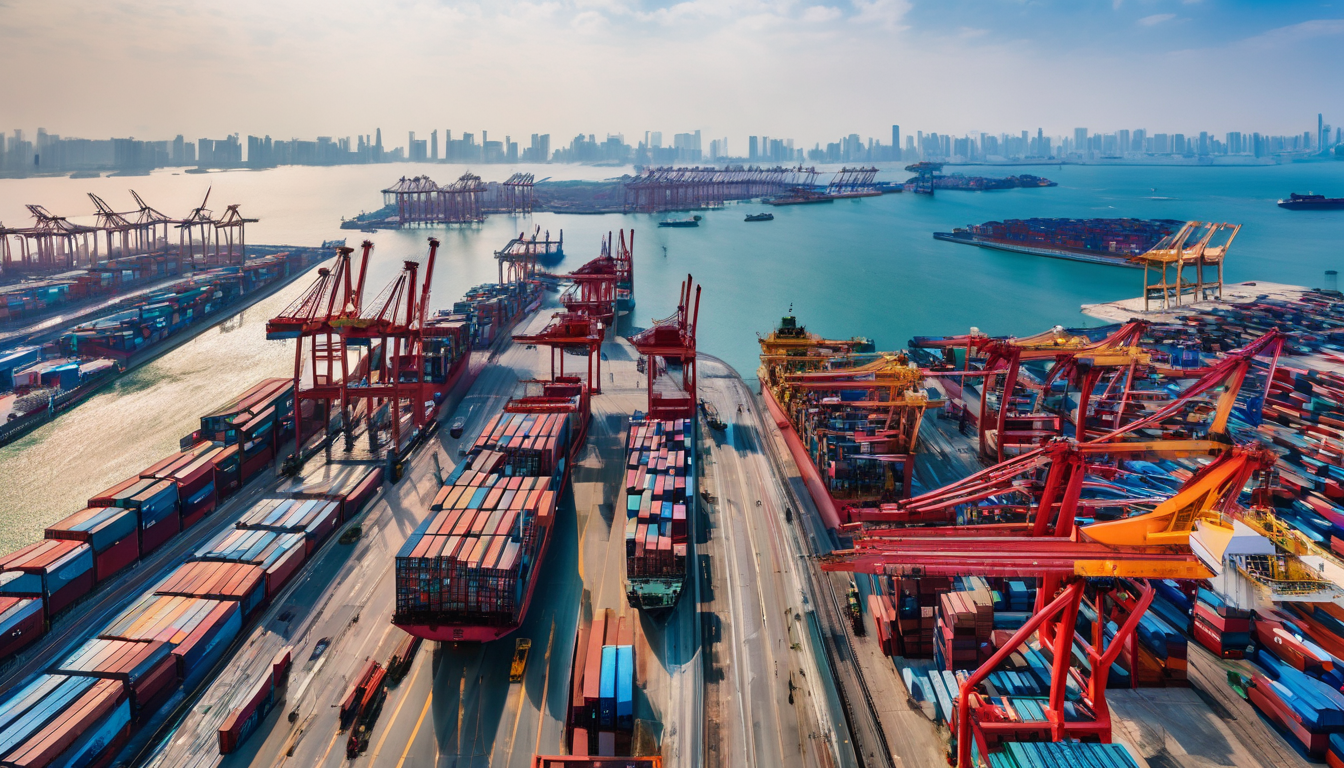
China’s leadership has tied its record trade surplus to a new policy message, that a healthier external position means steadier demand at home and fewer frictions abroad. The pledge frames exports as only one part of growth, with consumption, services, and investment efficiency carrying more weight in official targets. For China-Pakistan trade, this shift matters because import appetite and market access rules are set by the same macro goals that guide currency, credit, and industrial policy. Today, officials are stressing predictability in trade flows, while Live market pricing still reflects sensitivity to any signal on tariffs, rebates, or shipping costs. The latest Update in official messaging points to balancing volumes, not retreating from competitiveness.
Planned Reforms for Economic Opening
The reform package being signposted focuses on lowering barriers that keep foreign goods and services from competing on equal terms, and on making domestic rules clearer for cross border business. Regulators are highlighting steps tied to economic reform, including improved customs facilitation, broader access in selected service sectors, and stronger protection of legitimate commercial interests. As this Update cycle develops, corporate compliance teams are watching for practical changes, such as streamlined licensing and more transparent standards that affect procurement and distribution. A parallel discussion has centered on how policy messages travel across markets, as seen in regional trading halts and liquidity shifts during holiday closures, which can influence timing for trade finance and hedging. Today, the Live focus is on implementation details, not slogans.
Implications for China-Pakistan Trade
For Pakistan’s exporters and importers, the significance lies in whether an open economy agenda results in steadier import channels for intermediate goods and more consistent demand for value added products. China has signaled that broader opening is compatible with industrial upgrading, which means partners may find opportunities where supply chains need reliable inputs, compliance proof, and timely delivery. Pakistan’s side will track how tariff lines, inspection regimes, and digital clearance tools evolve, because those details govern transaction costs far more than headline pledges. The current trade surplus conversation also raises the question of how China manages import growth without destabilizing domestic producers. Live logistics conditions across ports and corridors will remain a key variable, especially for time sensitive shipments that depend on predictable schedules.
Global Reactions to China’s Economic Moves
Major trading partners are reading the pledge through the lens of competitiveness debates, arguing that balanced trade requires both expanded imports and confidence that markets operate on transparent, enforceable rules. Several governments and business groups are looking for measurable outcomes, including reduced administrative hurdles and clearer pathways for services and high value goods. Coverage and commentary in outlets such as China Daily reporting on opening up measures and Global Times analysis on trade policy signals show how Beijing wants the message framed, with emphasis on stability and long term engagement. At the same time, international investors are watching foreign exchange trends and credit conditions for clues about how quickly imports can rise. This Update has kept Live attention on delivery, because credibility depends on execution.
Future Outlook for Sino-Pakistani Relations
Looking ahead, the practical test for Sino Pakistani economic ties will be whether policy easing translates into wider product acceptance, faster dispute resolution, and more resilient payments and settlement channels. Pakistan’s trade planners will likely align promotion strategies with sectors where China’s import needs intersect with capacity, quality assurance, and traceability. The relationship also depends on connectivity and policy coordination beyond tariffs, including how corridor linked infrastructure supports the movement of goods and how risk management is handled during periods of global volatility. On the diplomatic track, coordination has remained active, as reflected in recent reporting on China and Pakistan’s aligned regional diplomacy, which can influence investor confidence around trade routes. Today, Live commercial decisions will follow the next Update in market access and facilitation rules.

