
China Calls for Stability in Pakistan
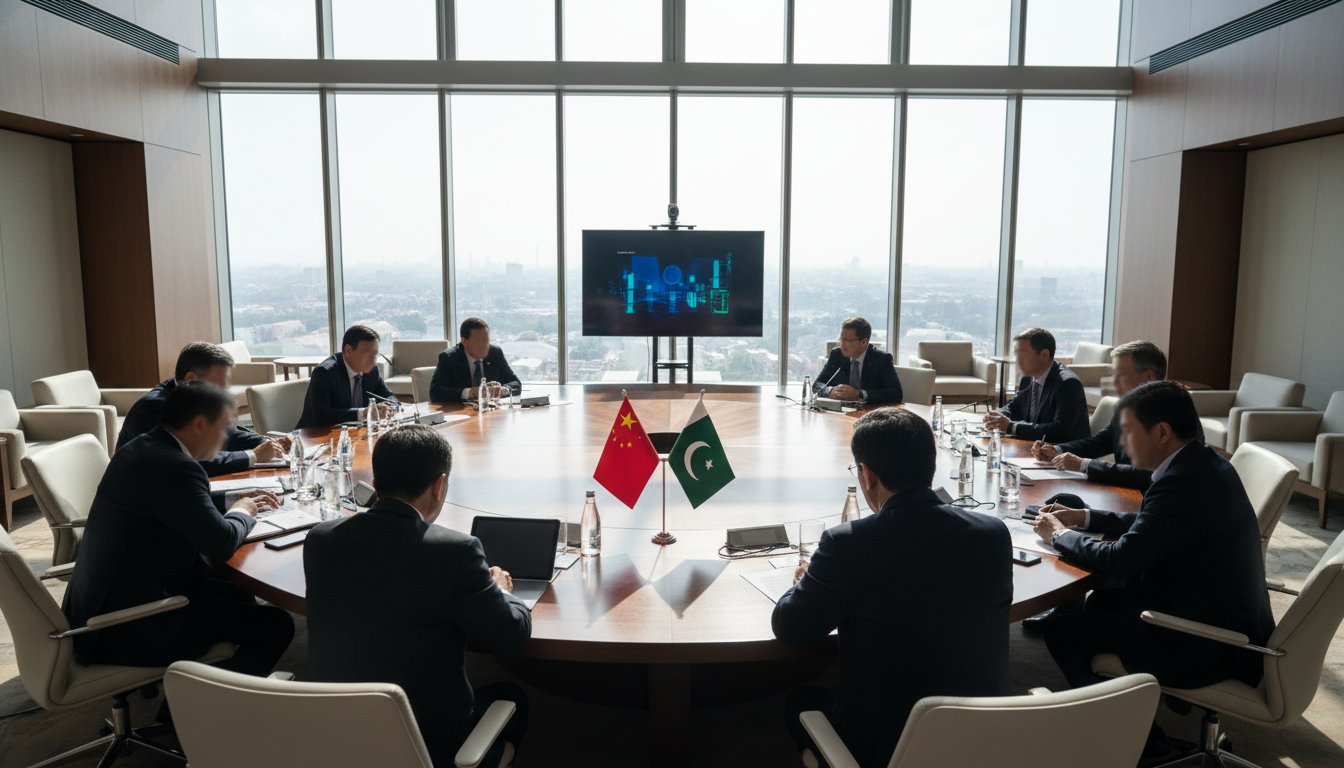
Pakistan’s leadership received a clear message from Beijing that governance calm and continuity matter for near term cooperation. Dawn reported that Chinese officials stressed internal stability as essential for Pakistan’s development, and the framing landed across party lines. In the latest Update on bilateral engagements, officials sought to separate economic work from domestic turbulence that has slowed decision making. Today, diplomats and planners also highlighted the need to protect ongoing cooperation from street level disruption without naming specific incidents. The emphasis surfaced during formal contacts described by Dawn, where interlocutors tied stability to predictable policy execution and administrative follow through. The diplomatic tone remained supportive while underlining expectations for orderly politics.
Why Stability is Crucial for Development
Development timelines depend on procurement, security coordination, and regulatory approvals that can stall when politics turns confrontational. In a Live policy brief circulated among stakeholders, the planning logic was that steady administration lowers project risk and reduces costly delays. The External Affairs framing mirrors regional experience, and South China Morning Post coverage of economic exposure and supply pressures shows how disruptions can ripple through trade routes and investment decisions. In one reference point, SCMP analysis on Middle East supply pressures described how instability changes commercial incentives, a lesson officials apply to Pakistan’s economic development. Today, ministries preparing the next Update are prioritizing continuity in tax, energy, and import rules to keep agreements implementable.
Pakistan’s Political Parties Unite
Rare cross party alignment emerged as leaders acknowledged that political unity can lower the temperature and improve confidence among partners. Dawn’s account of the contacts described a consensus tone that contrasted with recent months of hard rhetoric. In a Live media cycle, rival camps still argued over accountability and mandates, yet they signaled willingness to avoid actions that could derail key state functions. That posture matters because administrative paralysis has repeatedly slowed approvals and payments, as lawmakers privately conceded in briefings cited by Dawn. For context on long running ties that shape these calculations, China, Indonesia Roll Out Cross-Border QR Payments illustrates how regional economic initiatives benefit from consistent rules and operational discipline. The current Update from party offices focused on restoring predictability rather than announcing new slogans.
Implications for Sino-Pakistani Relations
The immediate signal is that cooperation will be judged by execution, not communiques, and that measurable delivery is becoming a priority. Dawn reported that Chinese officials linked stability to development, and Pakistani counterparts responded with assurances centered on governance order. In the latest Update shared with journalists, officials stressed coordination across federal and provincial levels to avoid contradictory directives. China-Pakistan relations may increasingly hinge on measurable delivery, particularly where corridor related milestones drive scheduling and financing expectations. One internal priority is keeping economic planning aligned with corridor related milestones; CPEC project milestones has tracked how scheduling discipline affects trade logistics and investor confidence. Live discussions among business groups also pointed to currency, energy pricing, and port operations as areas where administrative steadiness directly affects costs. The diplomatic takeaway is that predictability is now a central deliverable.
Future Outlook for Pakistan’s Development
Near term, the practical test will be whether the government can maintain a stable policy line through budget decisions, regulatory enforcement, and public order management. Dawn’s reporting placed internal stability at the center of expectations, and officials now face scrutiny on follow through rather than promises. Today, the next Update from economic ministries is expected to focus on clearing payment backlogs, streamlining approvals, and protecting routine administration from political shocks. Live monitoring by markets will react quickly to any reversal in messaging on taxation, energy tariffs, or import controls, which directly shape business planning. In Islamabad, the development path being discussed is not rhetorical, it is procedural and depends on institutions functioning daily. If the unity signals persist, partners will likely prioritize implementation over expansion.

