
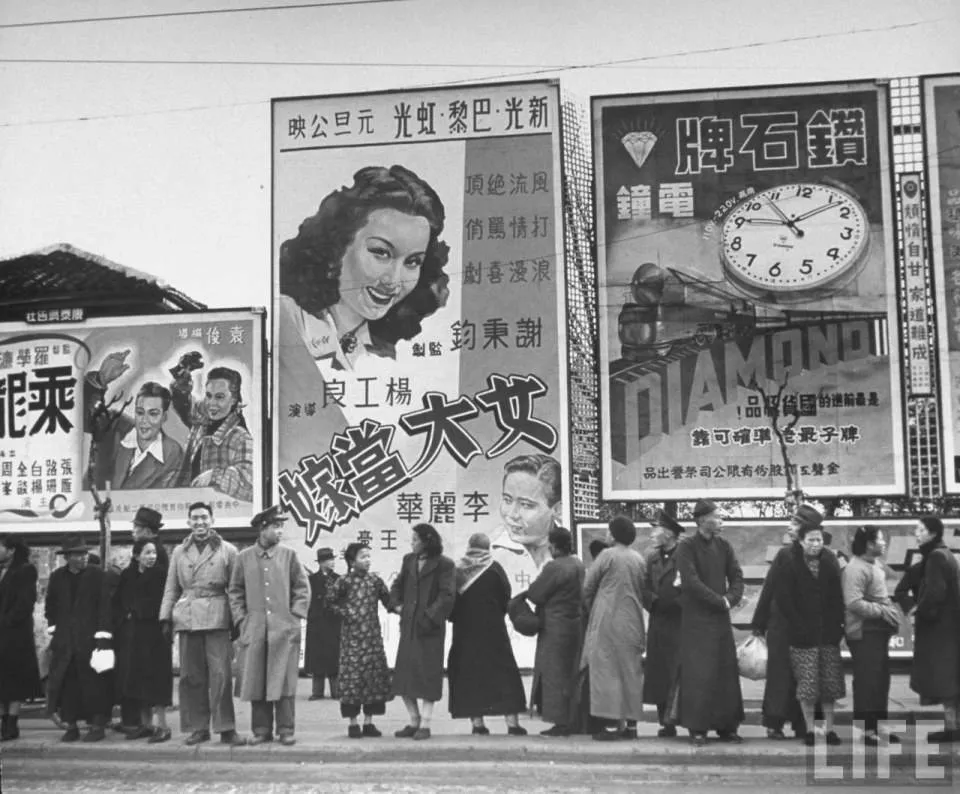
Shanghai’s filmmakers turned turbulent times into an era of artistic brilliance that shaped modern Chinese culture.
A City of Contrasts
In the 1930s, Shanghai was a city unlike any other in Asia. Foreign concessions lined the Bund, neon-lit nightclubs thrived alongside opium dens, and rickshaw pullers shared the streets with jazz musicians. Amid this paradox of glamour and poverty, a cultural industry flourished. Shanghai’s film studios became the beating heart of China’s entertainment world, producing works that reflected both the anxieties and aspirations of a society caught between tradition and modernity.
The Birth of a Film Industry
China’s first film, Dingjun Mountain, appeared in 1905, but it was in the 1930s that cinema truly became a mass medium. Dozens of studios competed for audiences, with Mingxing, Lianhua, and Tianyi emerging as leaders. Technological advances in sound recording and imported film equipment allowed directors to experiment with new styles and narratives.
Movies reached millions of viewers, from crowded urban theaters to makeshift screenings in rural villages. Film stars like Ruan Lingyu, Hu Die, and Zhao Dan became household names, admired not just for their beauty but also for their ability to embody the struggles of ordinary people.
Cinema as Social Commentary
The best films of the era were not just escapist entertainment. They tackled pressing social issues with remarkable courage. Ruan Lingyu’s iconic performance in The Goddess (1934) portrayed a single mother forced into prostitution to support her child, offering a raw look at urban poverty and female resilience. Spring Silkworms (1933) depicted the decline of traditional silk weaving under the pressures of modern capitalism.
These films blended melodrama with social realism, reflecting the turbulence of a nation facing warlords, Japanese aggression, and economic inequality. Cinema became a space where artists could critique society, even under the shadow of censorship.
The Politics of Film
Shanghai’s studios operated in a politically charged environment. Leftist filmmakers aligned with progressive intellectuals used cinema as a tool for social awareness, while the Nationalist government sought to regulate content to prevent dissent. Japanese influence also grew after the invasion of Manchuria in 1931, further complicating creative freedom.
Despite restrictions, filmmakers carved out a space for expression. By using allegory, symbolism, and emotionally charged stories, they conveyed messages that resonated with audiences living through uncertainty.
Glamour, Tragedy, and Stardom
The film stars of the 1930s were more than entertainers. They were cultural icons whose lives mirrored the drama on screen. Ruan Lingyu, known as the “Greta Garbo of China,” rose to fame with her powerful portrayals of vulnerable yet strong women. Her tragic suicide in 1935 at the age of 24 shocked the nation and highlighted the intense pressures of fame, gender expectations, and media intrusion.
Her funeral drew tens of thousands, underscoring how deeply cinema had penetrated Chinese society. Film culture was no longer a niche pursuit; it was central to the identity of urban China.
The End of an Era
The golden age of Shanghai cinema was cut short by the outbreak of the Second Sino-Japanese War in 1937. Studios were bombed, theaters shuttered, and many actors fled inland. Some continued filmmaking in wartime Chongqing, but the vibrant studio system that had made Shanghai the “Hollywood of the East” never fully recovered.
Yet the legacy endured. Postwar filmmakers in Hong Kong and Taiwan, as well as directors in the People’s Republic after 1949, built upon the foundations laid in the 1930s. Many of the themes, resilience, injustice, and the struggle between tradition and modernity, continued to define Chinese cinema for decades.
Conclusion: A Cultural Legacy Beyond the Screen
Shanghai’s 1930s cinema was not just entertainment. It was a mirror of its times, capturing the hopes, sorrows, and contradictions of a society in flux. The films of that era remain powerful historical documents, preserving voices that might otherwise have been lost to history.
For today’s China-watchers, revisiting this golden age reveals more than cinematic brilliance. It shows how culture flourished even in hardship, and how film became a stage where the soul of modern China was first projected onto the screen.

