
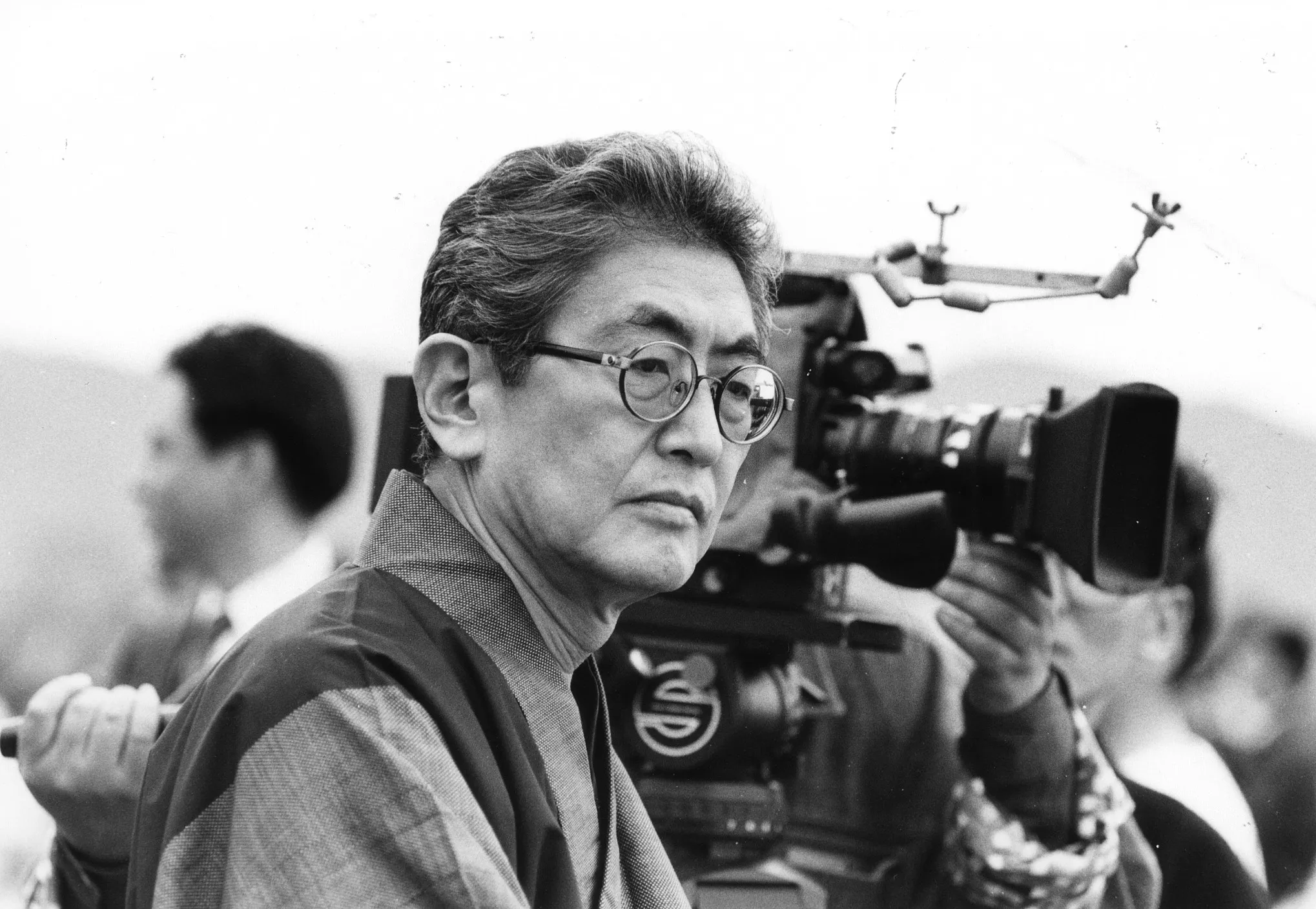
From rural landscapes to political allegories, Chinese cinema found a global stage.
A New Generation Emerges
In the early 1980s, as China reopened after the Cultural Revolution, the Beijing Film Academy graduated its first full class in years. Among them were Zhang Yimou, Chen Kaige, Tian Zhuangzhuang, and other filmmakers who would later be grouped as the Fifth Generation. Unlike earlier directors bound by formula, they sought fresh language to tell stories about tradition, trauma, and change.
Their films blended striking visuals with allegory, reinterpreting China’s past while testing the limits of new openness. International festivals noticed. Awards in Berlin, Cannes, and Venice placed Chinese cinema on global maps at a moment when the country itself was reentering the world.
Reimagining History Through Aesthetics
Fifth Generation directors embraced landscapes and symbolism. Zhang Yimou’s Red Sorghum painted fields of grain as both beauty and battlefield. Chen Kaige’s Farewell My Concubine used the Peking Opera stage as metaphor for loyalty, betrayal, and survival. These films did not lecture audiences but invited them to interpret layers of meaning, a sharp departure from didactic socialist realism.
Color became a narrative force. Costumes and settings pulsed with reds, golds, and shadows that carried symbolic weight. Silence and gesture often spoke louder than dialogue, suggesting truths that could not be stated openly.
Tensions with Censors
Experimentation carried risks. Films that pushed too far in political critique faced bans or cuts. Farewell My Concubine was briefly restricted in China despite international acclaim. Directors navigated shifting boundaries, sometimes self censoring, sometimes retreating to allegory.
The tension itself became part of the art. Viewers learned to read between lines, decoding metaphors that hinted at personal freedom, collective trauma, or cycles of history. Cinema became a quiet conversation about how far society could go in confronting its past.
Rural Stories and Urban Questions
Many Fifth Generation films turned to rural China for inspiration. Villages, deserts, and fields provided canvases unmarked by propaganda. Stories of peasants, outcasts, and tradition carried a raw authenticity.
Yet as cities modernized, urban themes followed. Zhang Yimou’s later works moved into contemporary dramas and eventually large scale spectacles, including the Olympic ceremonies. The shift reflected broader transitions in China itself: from agrarian struggles to metropolitan ambition, from memory to global performance.
Global Recognition and Influence
By the 1990s, Chinese cinema had become a fixture at international festivals. Raise the Red Lantern and Farewell My Concubine earned top prizes and brought actors like Gong Li and Leslie Cheung to global fame. For many foreign audiences, these films shaped perceptions of Chinese culture: sensual, tragic, layered with history.
Hollywood collaborations followed, and co productions expanded reach. Yet some critics argue that global acclaim encouraged exotic portrayals tailored for foreign tastes. Directors themselves wrestled with balancing authenticity, audience expectations, and censorship at home.
Legacy for Future Filmmakers
The Fifth Generation opened doors for later waves. The Sixth Generation in the 1990s turned to gritty urban realism, handheld cameras, and stories of migrant workers. Contemporary directors experiment with streaming platforms, genre films, and online distribution. All build on the precedent that cinema can question, interpret, and globalize Chinese experiences.
Universities and film schools now teach these works as classics. Their mix of artistry and subtle dissent remains influential, proving that cinema can be both cultural expression and historical archive.
Conclusion: Film as Mirror and Window
Fifth Generation directors redefined what Chinese cinema could be. They turned history into allegory, villages into stages, and color into argument. Their films mirrored a society in transition and offered global audiences a window into China’s complexity.
Their story underscores the power of culture to frame history. In an era of rapid change, these films remain reminders that narratives are not only written in books or speeches but also painted in light and shadow on screens.

