
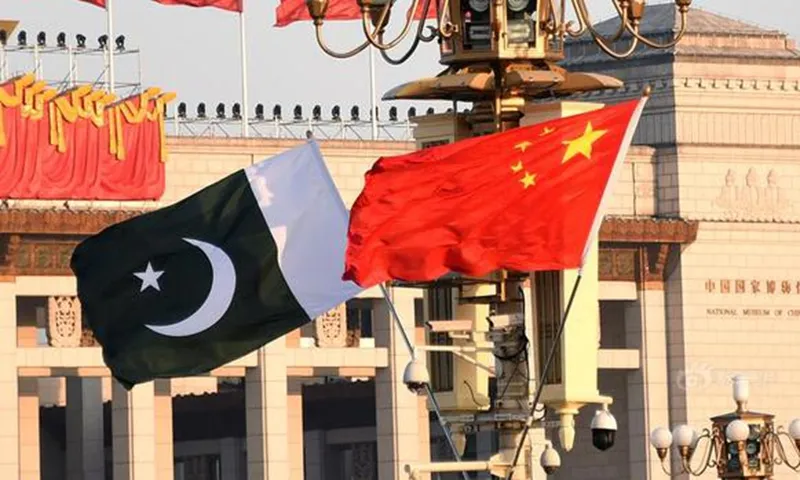
Pakistan and China share a longstanding economic partnership that has evolved over several decades. From early bilateral trade agreements in the 1950s to the transformative China-Pakistan Economic Corridor (CPEC) in the 21st century, the relationship has grown to encompass industrial collaboration, infrastructure development, and regional trade integration. Understanding the historical evolution of trade relations provides context for contemporary initiatives and highlights the strategic importance of Pakistan-China cooperation.
Early Trade Relations (1950s–1970s)
Pakistan established formal diplomatic relations with China in 1951, initiating trade partnerships that focused on agricultural products, textiles, and raw materials. Early agreements facilitated the exchange of goods, technology transfer, and joint ventures in selected industries.
Key developments during this period included:
- Bilateral trade agreements regulating import-export tariffs and quotas
- Technical assistance programs in textiles, agriculture, and small-scale manufacturing
- Establishment of trade missions and diplomatic channels to facilitate commerce
Although trade volumes were modest, these foundational agreements set the stage for deeper economic collaboration.
Expansion of Trade in the 1980s–1990s
The 1980s marked increased industrial cooperation between Pakistan and China. Joint ventures in steel production, chemicals, and machinery manufacturing strengthened the industrial base of both countries. Trade volumes expanded as Pakistan imported machinery, electronics, and infrastructure equipment, while exporting textiles, rice, and leather products to China.
Significant milestones during this period included:
- Creation of industrial cooperation committees to streamline joint projects
- Chinese investment in power generation and transport infrastructure in Pakistan
- Implementation of preferential trade agreements to reduce barriers for strategic industries
These efforts enhanced bilateral trade and facilitated technology transfer, preparing the groundwork for large-scale infrastructure projects.
CPEC and 21st-Century Trade Growth
The launch of CPEC in 2015 marked a new era in Pakistan-China trade relations. Designed as a multi-billion-dollar initiative, CPEC aims to develop transport, energy, and industrial infrastructure, linking Pakistan’s ports, industrial zones, and urban centers with Chinese markets.
CPEC projects relevant to trade include:
- Industrial corridors in Punjab and Sindh to support export-oriented manufacturing
- Gwadar Port expansion to improve maritime logistics
- High-capacity rail and road networks connecting industrial hubs with ports and border points
CPEC has significantly increased trade volumes, reduced transit times, and facilitated integration into regional and global supply chains.
Industrial Collaboration and Technology Transfer
Industrial partnerships have expanded under CPEC, covering energy, manufacturing, and digital infrastructure. China has provided technical expertise, machinery, and training programs to Pakistani industries.
Notable collaborations include:
- Renewable energy projects supplying sustainable power to industrial zones
- Smart logistics systems integrating AI and IoT to improve supply chain efficiency
- Digital trade platforms enabling SMEs to access Chinese markets
These collaborations have strengthened industrial capabilities, improved competitiveness, and enhanced bilateral economic interdependence.
Mid-Blog Image Suggestion:
- Timeline infographic showing key milestones in Pakistan-China trade relations, from 1950s agreements to CPEC developments

Trade Volume Growth and Economic Impact
Bilateral trade has increased substantially since the early 2000s. In 2024, Pakistan-China trade reached approximately $20 billion, with exports including textiles, agricultural products, and raw materials, and imports comprising machinery, electronics, and industrial equipment.
Economic impacts include:
- Job creation in manufacturing, logistics, and energy sectors
- Increased foreign direct investment from China in infrastructure and industrial projects
- Enhanced regional connectivity supporting trade with neighboring countries
Policy and Strategic Frameworks
Trade relations have been guided by a series of bilateral agreements and strategic frameworks:
- Preferential trade agreements reducing tariffs for key products
- Memorandums of understanding for industrial cooperation, technology transfer, and joint ventures
- Policies supporting cross-border digital trade and logistics integration under CPEC
These frameworks provide regulatory stability, attract investment, and facilitate sustained growth in trade volumes.
Challenges and Considerations
Despite significant progress, challenges remain in historical and contemporary trade relations:
- Infrastructure gaps limiting full utilization of trade corridors
- Regulatory compliance and standardization for exports and imports
- Geopolitical considerations affecting trade security and cross-border investments
Addressing these challenges is crucial for maintaining the momentum of bilateral trade growth.
Future Outlook
The future of Pakistan-China trade relations is likely to be shaped by:
- Continued expansion of CPEC industrial and logistics corridors
- Integration of digital trade platforms for SME participation
- Increased investment in renewable energy and sustainable industrial projects
- Strategic initiatives to enhance regional connectivity and trade efficiency
Analysts predict that by 2030, bilateral trade could exceed $40 billion, supported by infrastructure development, industrial collaboration, and technological integration.
Conclusion
The historical evolution of Pakistan-China trade relations highlights a journey from early bilateral agreements to the transformative impact of CPEC. Industrial collaboration, infrastructure development, and digital trade integration have strengthened economic ties and enhanced regional connectivity. Understanding this evolution provides insight into the strategic, economic, and industrial significance of the partnership, positioning Pakistan and China for continued growth and cooperation in the decades ahead.

