
How China’s First Lady blends culture, diplomacy, and public image.
From the Stage to the World’s Spotlight
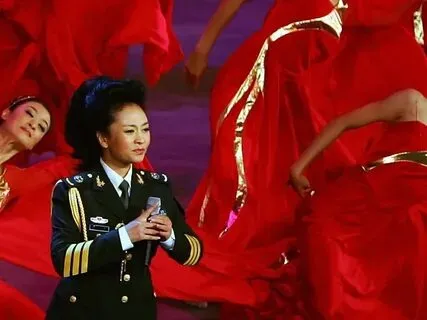
Peng Liyuan rose to fame in the 1980s as a celebrated folk singer. Her performances on state television made her a household name, admired for her voice and elegance. At a time when cultural figures rarely transcended entertainment, Peng stood out as an artist with national appeal.
Her marriage to Xi Jinping in 1987 brought her into political circles, but she maintained her own career and reputation. Unlike many political spouses, she entered the role of First Lady with her own identity already established.
Crafting an Image of Modernity
As First Lady, Peng Liyuan has been carefully positioned as a symbol of modern Chinese femininity and cultural sophistication. Her fashion choices are often highlighted in media, presenting a blend of traditional aesthetics with contemporary design. Chinese designers gained international attention as Peng wore their creations during state visits.
Her image aligns with soft power goals: projecting a confident, cultured, and approachable face of China to the world.
Diplomacy Through Culture
Peng’s role extends beyond appearances. She actively participates in cultural diplomacy, using music and education to build bridges. Her performances abroad, particularly in Europe and Asia, emphasize shared cultural values.
As a UNESCO Special Envoy for the Advancement of Girls’ and Women’s Education, Peng advocates for causes that resonate internationally. This engagement reinforces China’s image as a global partner while broadening her influence beyond domestic politics.
Health and Humanitarian Work
Peng has also served as a goodwill ambassador for the World Health Organization, focusing on tuberculosis and HIV/AIDS awareness. Her involvement in public health demonstrates how cultural figures can amplify global campaigns, particularly when backed by state support.
In this capacity, Peng blends celebrity with responsibility, projecting compassion while aligning with China’s broader efforts to show international leadership in humanitarian issues.
Contrast with the Past
China’s First Ladies have historically played limited public roles. Peng’s visibility marks a departure from earlier traditions, where political spouses often remained out of the spotlight. Her prominence reflects both her personal achievements and the evolving image that the Party wishes to project.
This shift suggests an effort to present a more relatable and modern form of leadership, complementing the formality of official diplomacy with cultural charm.
Criticism and Control
Despite her popularity, Peng’s role is tightly managed. Media coverage within China highlights her achievements while avoiding controversy. Critics argue that her image serves propaganda purposes, smoothing China’s international profile at a time of rising tensions.
Still, her background as an artist gives her authenticity that resonates with audiences. Whether celebrated or critiqued, her prominence underscores the importance of image in modern politics.
Conclusion: A Symbol of Soft Power
Peng Liyuan’s journey from folk singer to First Lady illustrates how culture can become a tool of diplomacy. She represents continuity and change: rooted in China’s traditions yet projecting modern confidence.
Her profile highlights the growing role of personal image in China’s international strategy. Peng shows that leadership is not only about policies and speeches but also about the cultural symbols that shape how nations are seen.

