
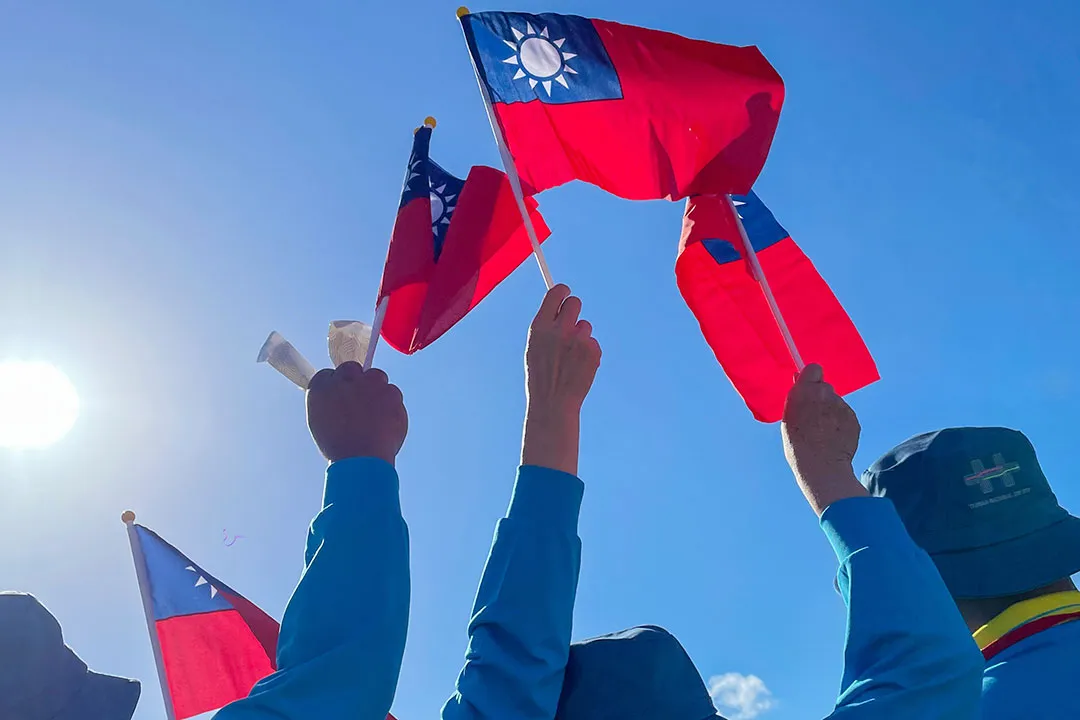
How an island became the flashpoint of twenty first century geopolitics.
A Divided Legacy
Taiwan’s political status traces back to 1949, when the Nationalist government retreated to the island after defeat in the Chinese Civil War. Since then, Taiwan has developed into a vibrant democracy with distinct identity, while Beijing insists it remains part of China. The ambiguity sustains fragile peace but fuels constant tension.
Democracy and Identity
Taiwan transformed from martial law to democracy in the late twentieth century. Direct elections, robust civil society, and independent media distinguish its system from mainland China’s. Younger generations increasingly identify as Taiwanese rather than Chinese, reinforcing separation in culture and politics. This evolving identity complicates cross strait relations, as unification finds little support among the island’s electorate.
Military Postures
Beijing regards Taiwan as core interest and refuses to renounce force. Military drills near the island have intensified, with warplanes crossing median lines and naval patrols encircling waters. Taiwan responds by modernizing defenses, purchasing advanced systems from the United States, and training reserves. The balance remains delicate: Taiwan cannot match China’s scale but seeks deterrence through asymmetric strategies such as mobile missiles and hardened infrastructure.
International Dimensions
The United States maintains a policy of “strategic ambiguity,” supplying arms while avoiding explicit guarantees of defense. This stance aims to deter both unilateral moves toward independence and attempts at forced reunification. Other countries navigate carefully, recognizing Beijing diplomatically while maintaining informal ties with Taipei. The island’s semiconductor industry, led by TSMC, makes Taiwan indispensable to global supply chains, adding economic stakes to political ones.
Public Opinion on the Islan
Surveys in Taiwan show strong preference for maintaining status quo: neither declaring independence nor accepting unification. Citizens balance pride in democracy with concern about provoking conflict. Elections reflect debates over security, economy, and relations with both Washington and Beijing. Each leadership transition brings recalibration but not resolution.
Risks of Miscalculation
The greatest danger lies in misreading signals. A military exercise could escalate accidentally. A diplomatic visit could trigger disproportionate response. Both sides rely on deterrence, but deterrence is fragile when communication is limited and domestic pressures run high. For the world, a Taiwan crisis would disrupt trade, destabilize Asia, and risk confrontation between nuclear powers.
Voices of Restraint
Despite rhetoric, practical cooperation persists in limited areas such as trade and investment. Families maintain ties across the strait, and cultural exchanges continue. Business leaders caution against escalation, stressing that stability benefits all. These quieter voices remind observers that beyond politics, human connections endure.
Conclusion: The Fragile Status Quo
Taiwan tensions underscore how history, identity, and strategy converge on one island. The situation is not static but carefully managed, with each side testing limits while avoiding outright conflict. Taiwan embodies the challenge of twenty-first century geopolitics: how to reconcile democratic aspirations, national claims, and global stability without igniting war.

