
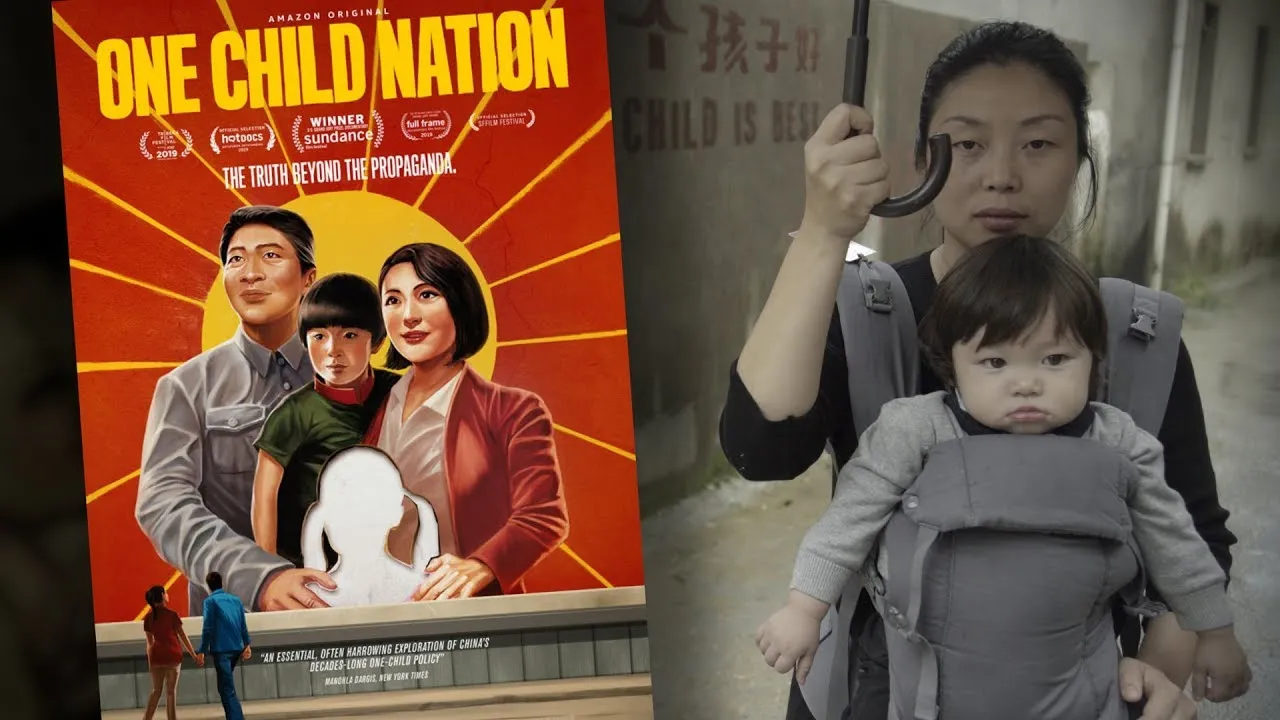
From family life to demographics, the legacy of China’s strictest social policy is now fully visible.
A Policy That Shaped a Generation
In 1979, China introduced the one-child policy to curb population growth and ease pressure on resources. For more than three decades, strict limits defined family planning, enforced through fines, incentives, and social pressure. By the time the policy was relaxed in 2015, and later replaced with a three-child allowance, an entire generation had already been shaped by its rules.
Today, the one-child generation has entered adulthood, and the consequences of the policy are visible in family structures, social expectations, and demographic realities.
The Weight of Being an Only Child
Growing up as the sole focus of parental and grandparental attention, many in this generation became known as “little emperors.” They benefited from concentrated resources, enjoying better education, healthcare, and material comforts than earlier generations.
Yet being the only child also brought pressure. With no siblings to share responsibility, these adults now face the daunting “4-2-1” burden: supporting two parents and four grandparents while raising their own children. This demographic pyramid poses immense personal and financial stress.
Marriage and Family Choices
The one-child generation has also altered marriage patterns. Many are marrying later, or choosing not to marry at all, challenging traditional expectations. With higher levels of education, particularly among women, priorities have shifted toward careers and personal autonomy.
This has contributed to declining birth rates, even after the policy was relaxed. Despite government encouragement, many young couples remain reluctant to have multiple children, citing costs of housing, education, and healthcare. The one-child policy created habits of small families that persist even without restrictions.
Social Consequences
Psychologists and sociologists note both advantages and drawbacks in this generation’s upbringing. On one hand, only children often display confidence, ambition, and academic achievement. On the other, some struggle with loneliness, social pressure, or lack of sibling support.
The absence of siblings also shapes identity. For some, it fosters independence; for others, it creates isolation. In urban centers, where the policy was most strictly enforced, the cultural shift away from large families is particularly pronounced.
Demographic Challenges
Nationally, the one-child policy’s legacy is stark. China now faces an aging population, with fewer young people to support a growing elderly demographic. The working-age population has already begun to shrink, raising concerns about economic growth and long-term sustainability.
Efforts to reverse the trend with incentives for larger families have so far had limited effect. The cultural and financial realities shaped by decades of one-child households cannot be undone overnight.
Cultural Reflections
The one-child experience has inspired literature, films, and art. Novels explore themes of solitude and parental pressure, while documentaries highlight stories of children who lost parents and faced adulthood alone. These cultural reflections keep alive the memory of how deeply the policy altered lives.
At the same time, public discussion of the policy remains sensitive, balancing recognition of its unintended consequences with acknowledgment of its role in shaping modern China.
Conclusion: Living with the Legacy
The one-child generation represents one of the most profound social experiments in modern history. As they grow older, their experiences reveal both the benefits of concentrated resources and the burdens of demographic imbalance.
Their story illustrates how state policies can transform family life, culture, and national destiny in ways that last for decades. The legacy of the one-child policy is not only demographic but deeply personal, etched into the lives of millions who grew up as single children in a nation of families.

