
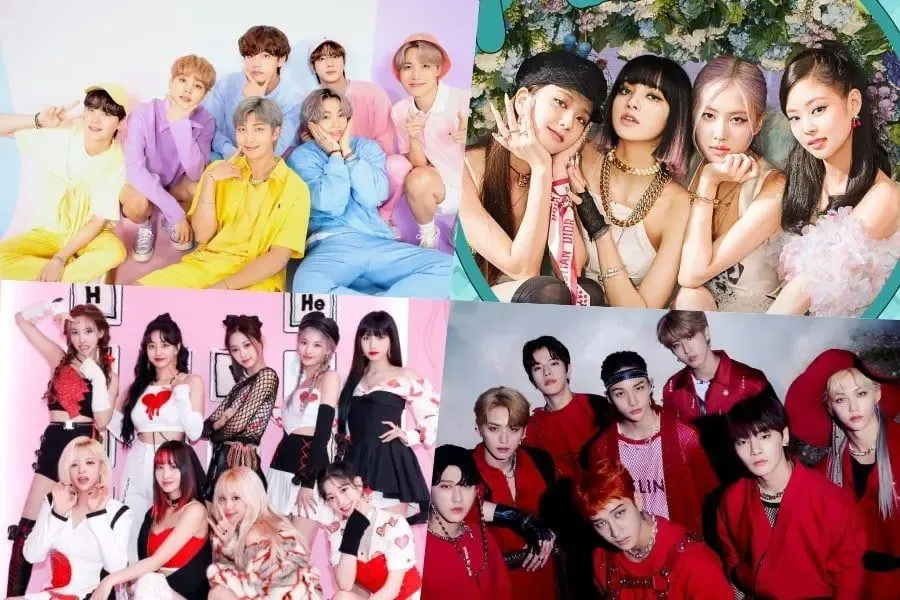
How China shapes a distinct star system in a crowded global market.
Training Grounds and Talent Pipelines
Modern pop idols rarely appear by accident. They are cultivated in training programs that teach vocals, dance, camera presence, and social media etiquette. China’s system draws inspiration from Japan and Korea but adapts it to local platforms and policy expectations. Variety shows act as auditions in public. Fans vote across episodes, transforming selection into a nationwide conversation. The result is a hybrid pipeline where agencies, television producers, and streaming platforms co author the origin story of a star.
Behind the lights sits a disciplined routine. Trainees rehearse for hours, study languages, and learn to manage fan interactions with care. That discipline is not only about performance. It is about preparing artists to carry brand messages that align with national mood and market rules.
The Fan Economy as Engine
Idol success depends on a fan economy that blends emotion with microtransactions. Digital albums, livestream gifts, and merchandise drops give supporters constant ways to participate. Fan clubs coordinate purchase drives to hit chart milestones, rent billboards to celebrate birthdays, and organize charity projects in an idol’s name. The activity is not just consumption. It is choreography. Leaders maintain spreadsheets, schedules, and donation audits like small startups.
This intensity creates leverage. Brands court idols whose fans convert clicks into sales within hours. Producers cast performers who can mobilize their base to push ratings and trends. The risk is burnout and excess. Platforms now promote healthier norms such as spending caps, anti doxxing reminders, and volunteer moderation.
Image Craft and Cultural Codes
Chinese idols navigate a unique set of expectations. Relatability matters. So does responsibility. Public image emphasizes diligence, filial respect, and teamwork alongside glamour. Wardrobe choices and stage concepts often reference traditional motifs, from ink wash palettes to knot patterns, turning performances into subtle signals of cultural continuity.
Variety shows amplify this craft. Guests cook regional dishes, recite poems, or learn classical instruments in short segments that blend entertainment with culture. The message is simple. A modern star can dance to electronic beats while honoring the aesthetics of an older civilization. For audiences, that combination softens the boundary between pop and heritage.
Branding at Home and Abroad
When brands select ambassadors, they look for figures who can sell products and stories at the same time. A skincare line partners with an idol known for clean lifestyle messaging. A sports label links a tour to a national fitness campaign. Luxury houses seek faces who can travel between runway imagery and livestream showrooms without losing authenticity.
Abroad, C Pop identities face comparison with K Pop machinery. The difference is not only sound or choreography. It is narrative framing. Chinese idols often present themselves as builders who balance personal ambition with collective goals. Press tours highlight charity work, tech literacy, or ties to hometown initiatives. The pitch is that a star is a bridge between modern aspiration and social contribution.
Music, Variety, and Drama as a Single Career
Idols in China rarely remain confined to music. They rotate through variety shows, costume dramas, and brand showcases, creating a multi platform presence that feeds continuous engagement. A comeback single may coincide with a historical series release and a livestream product talk. Each channel reinforces the others. Fans who arrive for a role may stay for a tour. Shoppers who discover a brand session may stream earlier albums out of curiosity.
This cross pollination requires teams that operate like newsrooms. Editors cut highlight reels within minutes. Designers post posters sized for every app format. Managers balance calendar rhythms so peaks do not collide. When it works, visibility feels organic rather than forced.
Governance and Guardrails
Pop culture operates within a clear set of guardrails. Regulators discourage unhealthy celebrity worship, signal limits on fan fundraising, and emphasize content that uplifts rather than provokes. Agencies respond by coaching artists to avoid flaunting wealth, steer clear of sensational feuds, and emphasize professionalism.
Critics argue that guardrails can flatten individuality. Supporters counter that boundaries protect young fans and nudge the industry toward stories with positive social weight. In practice, creative teams learn a grammar of suggestion, using humor, choreography, and set design to keep performances lively within the lines.
Resilience Through Reinvention
The idol market moves fast. Trends shift with platform algorithms and audience taste. Careers endure when artists learn reinvention. Some pivot to live bands and songwriting to gain musical credibility. Others build production companies, mentor trainees, or curate fashion lines anchored in sustainable practices. A few return to conservatory training to expand vocal range and stagecraft beyond the pop template.
Reinvention is not only strategy. It is also a promise to fans that growth will be visible. The bond deepens when supporters feel they are witnessing a craft evolve rather than repeating a formula.
Global Collaborations and Soft Power
Collaborations with international producers, choreographers, and brands are common. These projects open doors to global playlists and festival stages while teaching teams to navigate contracts, royalties, and touring logistics. For cultural diplomacy, idols serve as friendly emissaries. They introduce audiences to language, holidays, and aesthetics in ways that feel conversational rather than formal.
Soft power emerges through repetition. A hook in Mandarin on a global remix. A traditional accessory on a modern stage outfit. A charity stream for disaster relief that trends beyond borders. Small moments accumulate into a recognizable identity.
Conclusion: Stars as Stories We Share
Pop idols thrive when talent meets structure and when structure remembers why people care in the first place. Fans want a melody to carry their week, a choreography to rehearse with friends, a cause to support with pride. Brands want faces that translate aspiration into action. Policymakers want culture that energizes without fragmenting.
The C Pop story is not a copy of someone else’s playbook. It is a local negotiation with global sound, a system learning to turn celebrity into a language for belonging. The future will favor artists who can hold that balance and teams who can make the spotlight feel like a shared room rather than a distant stage.

