
Debt, defaults, and the test of China’s growth model.
The Boom Years
For two decades, real estate fueled China’s growth. Developers borrowed heavily to build apartments, local governments relied on land sales for revenue, and households treated property as the safest investment. Skyrocketing prices turned cities into speculative arenas. Construction cranes became symbols of prosperity and ambition.
Evergrande at the Center
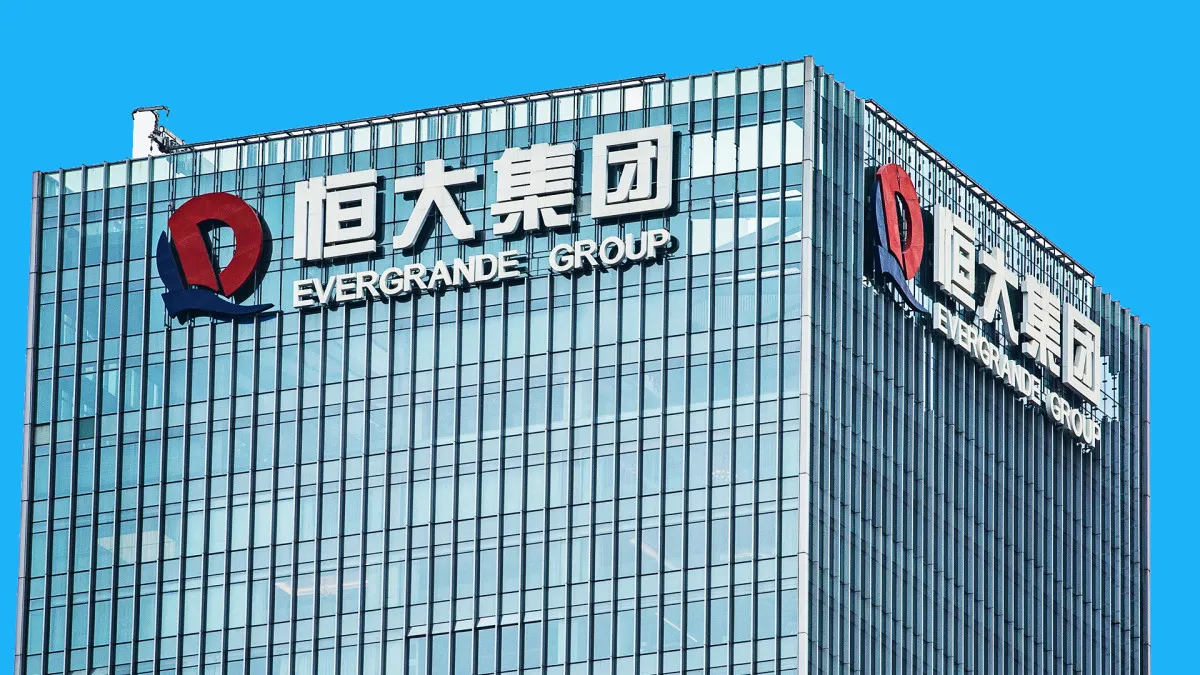
Founded in 1996, Evergrande grew into one of the largest property developers, branching into wealth management, electric vehicles, and even soccer clubs. Its empire relied on aggressive borrowing. By 2021, debts exceeded $300 billion, making it the world’s most indebted property firm.
The Unraveling
When regulators imposed “three red lines” to curb excessive leverage, Evergrande’s fragile finances cracked. Projects stalled, suppliers went unpaid, and homebuyers feared losing deposits. Protests erupted outside offices, symbolizing broader anxieties about the property market.
Wider Risks
Evergrande’s troubles exposed structural vulnerabilities. Real estate accounted for nearly a quarter of GDP when linked to construction, materials, and finance. Local governments faced falling land revenues, while banks braced for defaults. The crisis raised questions about whether China’s growth model, reliant on property, could be sustained.
Policy Response
Authorities prioritized stability, encouraging restructuring rather than full collapse. New financing channels aimed to ensure unfinished homes were delivered. At the same time, officials stressed that speculation should be curbed and housing should serve as shelter, not investment.
Conclusion: Lessons From Collapse
Evergrande’s fall is more than a corporate crisis. It marks a turning point in how China confronts the costs of debt-driven growth. The reckoning suggests that sustainable development will depend on shifting focus from property to innovation, consumption, and balanced finance.

