
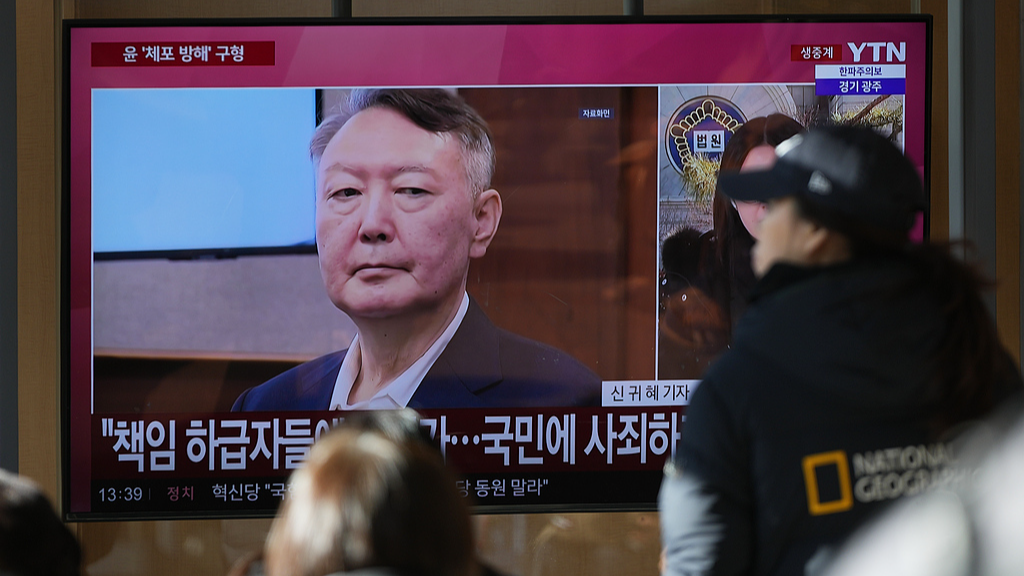
Prosecutors Push for Harsh Sentence in High Profile Case
South Korea’s political and legal landscape has entered another critical phase as a special counsel formally requested a ten year prison sentence for former president Yoon Suk-yeol. The request, reported by multiple local media outlets, centers on allegations that Yoon obstructed efforts to arrest him while he was still in office, along with several related charges.
The move reflects the seriousness with which authorities are treating actions that allegedly interfered with the execution of judicial duties. It also underscores how deeply the former president’s legal troubles continue to resonate following his impeachment and removal from office earlier this year.
Allegations of Obstructing Arrest Efforts
The sentence request was submitted by independent special counsel Cho Eun-suk, who led investigations into Yoon’s alleged insurrection and other misconduct. Prosecutors accuse Yoon of mobilizing the presidential security service in January to block the execution of an arrest warrant issued by the Corruption Investigation Office for High-ranking Officials.
According to investigators, this was not a passive refusal but an active obstruction. The actions allegedly taken were aimed at preventing officials from carrying out their lawful duties, raising questions about abuse of authority at the highest level of government.
Security Service Confrontation at the Presidential Residence
Details emerging from the investigation describe a dramatic standoff at the presidential residence. The first attempt by investigators to arrest Yoon was thwarted when members of the presidential security service formed human shields and used buses as barricades to block access.
These measures reportedly prevented investigators from entering the residence, forcing them to withdraw. Prosecutors argue that such actions were carried out under Yoon’s direction, turning state security resources into tools for personal legal defense.
Charges Reviewed by the Criminal Court
The case is being heard by the criminal division of the Seoul Central District Court. In addition to arrest obstruction, the court has reviewed charges including allegations that Yoon ordered the deletion of encrypted phone records and oversaw the dissemination of false public announcements linked to the declaration of martial law.
Prosecutors argue that these actions were part of a broader effort to conceal evidence and mislead the public. Together, they form the basis for what the special counsel describes as a systematic attempt to undermine legal and constitutional processes.
Verdict Scheduled for Early Next Year
The court is expected to deliver its ruling on January sixteen next year. Until then, the case continues to draw intense public attention, with analysts debating its implications for political accountability and the rule of law in South Korea.
Legal experts note that seeking a ten year sentence signals the prosecution’s view that the offenses strike at the heart of democratic governance. Obstructing judicial processes, particularly by a sitting president, is seen as an especially grave violation.
Impeachment and Removal From Office
Yoon’s legal problems follow his formal removal from office earlier this year. On April four, South Korea’s constitutional court upheld his impeachment over a failed attempt to impose martial law last December. That ruling officially ended his presidency and cleared the way for criminal proceedings.
The impeachment decision marked a turning point, demonstrating the power of constitutional checks even against the country’s highest elected official. The current criminal case builds on that moment, shifting the focus from political responsibility to personal legal consequences.
A Broader Test of Accountability
The prosecution of a former president is always a sensitive issue in South Korea, a country with a history of holding ex leaders legally accountable. Supporters of the investigation argue that the case reinforces the principle that no one is above the law.
Critics, however, warn of political polarization and caution against interpreting legal proceedings through partisan lenses. The court’s eventual decision will play a key role in shaping how the case is remembered.
Implications for South Korean Democracy
As the verdict date approaches, the case has become more than a personal legal battle for Yoon. It stands as a broader test of institutional resilience and judicial independence in South Korea.
Whether the court ultimately agrees with the special counsel’s demand or imposes a lesser sentence, the proceedings have already sent a strong signal. Attempts to interfere with legal authority, particularly from positions of power, will be examined closely and judged publicly.

