
A clear message on sovereignty and restraint
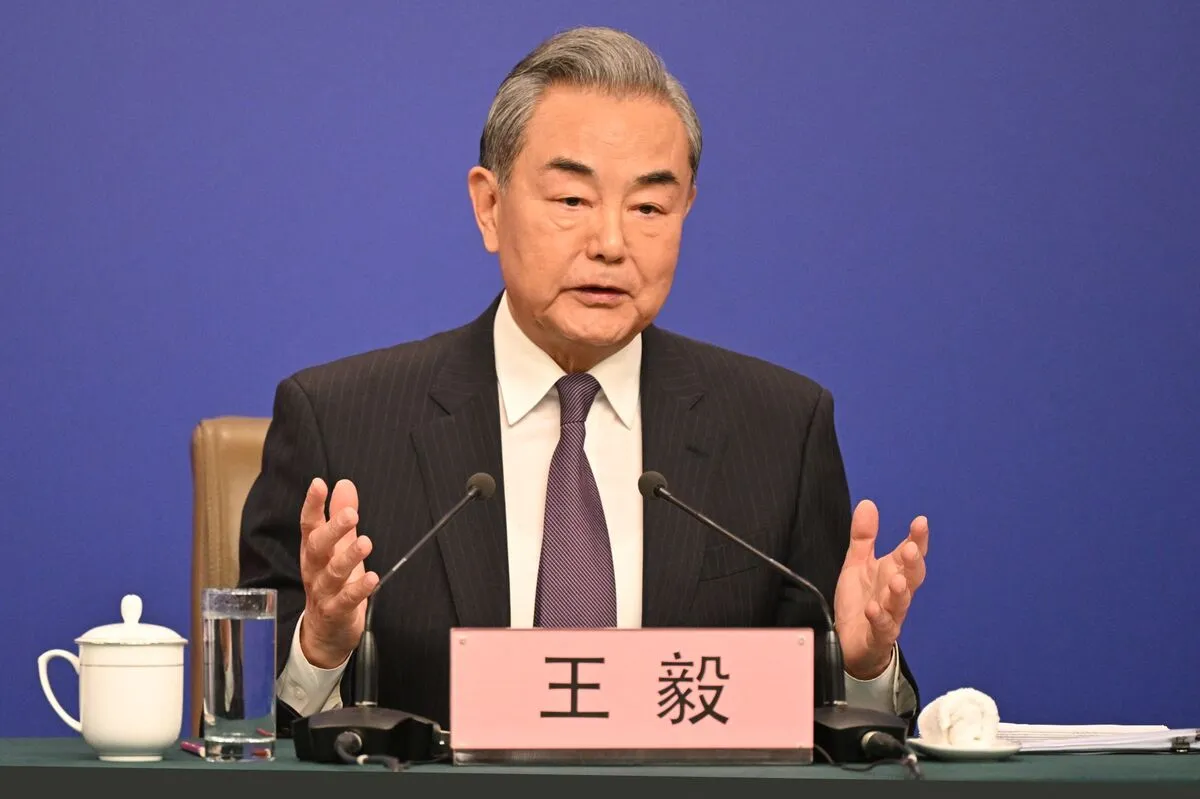
Speaking in Beijing Chinese Foreign Minister Wang Yi reaffirmed China’s long held opposition to the use or threat of force in international affairs. Addressing the situation in Venezuela he emphasized that China consistently rejects any attempt by one country to impose its will on another. His remarks reflected Beijing’s broader diplomatic philosophy centered on sovereignty non interference and political independence.
Venezuela as a symbol of wider tensions
Wang’s comments on Venezuela were not made in isolation. The South American country has long been a focal point of international pressure sanctions and external intervention debates. By referencing Venezuela China positioned the issue as emblematic of a larger pattern in global politics where power imbalance and coercive measures increasingly shape international relations.
Context of the strategic dialogue
The remarks were delivered during the Seventh Round of the China Pakistan Foreign Ministers Strategic Dialogue held in Beijing. Wang Yi was meeting with Mohammad Ishaq Dar who also serves as Pakistan’s deputy prime minister. While the dialogue focused primarily on bilateral cooperation it also provided a platform for broader discussion of global affairs.
Rising concern over unilateral pressure
Wang Yi described the current international environment as increasingly volatile and intertwined. He noted that unilateral bullying has become more severe a phrase often used by Chinese officials to criticize sanctions pressure campaigns and military threats. This assessment reflects China’s view that international order is under strain from actions taken outside multilateral frameworks.
China’s diplomatic positioning
China’s stance on Venezuela aligns with its consistent opposition to regime change driven from abroad. Rather than endorsing specific political outcomes Beijing emphasizes dialogue negotiated solutions and respect for national choice. This approach allows China to present itself as a defender of international norms while avoiding entanglement in domestic political disputes of other states.
Linking principles to global governance
By framing Venezuela within a discussion of broader instability Wang connected individual crises to systemic challenges. From Beijing’s perspective unilateral actions undermine global governance institutions and weaken international law. China argues that disputes should be addressed through the United Nations and dialogue rather than force or coercion.
Pakistan’s shared sensitivity to sovereignty
The setting of the remarks alongside Pakistan’s foreign minister added contextual depth. Pakistan has historically emphasized sovereignty and non interference in its own diplomacy. The convergence of views reinforces how China and Pakistan often align on principles related to international conduct even when their regional interests differ.
Strategic messaging to multiple audiences
Wang Yi’s comments served several audiences at once. Domestically they reaffirmed China’s diplomatic consistency. Internationally they signaled opposition to interventionist approaches. To developing countries the message reinforced China’s positioning as a supporter of political independence and national choice.
Beyond Venezuela to a global pattern
While Venezuela was the immediate reference the underlying message extended further. From Eastern Europe to the Middle East and Latin America China increasingly frames global tensions as the result of power politics rather than structural cooperation. Wang’s remarks fit into a broader narrative that calls for restraint balance and multilateral engagement.
A statement of continuity not escalation
Importantly the remarks did not announce new policy or actions. Instead they restated established principles at a moment of heightened global uncertainty. This suggests that China aims to project stability and predictability rather than confrontation as international pressures intensify.
Diplomacy in an unsettled world
As global divisions deepen statements like Wang Yi’s highlight how major powers articulate their worldview through selective crises. By invoking Venezuela China reinforced its core diplomatic identity at a time when international norms are increasingly contested.

