
The sudden escalation of military action against Venezuela by the United States has stirred a wave of international reaction, drawing vocal criticism from governments around the world. Among the most prominent condemnations have come from country”,”Cuba”,”country”], and , whose foreign ministers publicly denounced what they described as an unlawful invasion and a blatant breach of international law. The strong language employed by these nations highlights not only regional solidarity but also deep global concerns over respect for sovereignty and the rule of law.
A phone call that underscored global unease
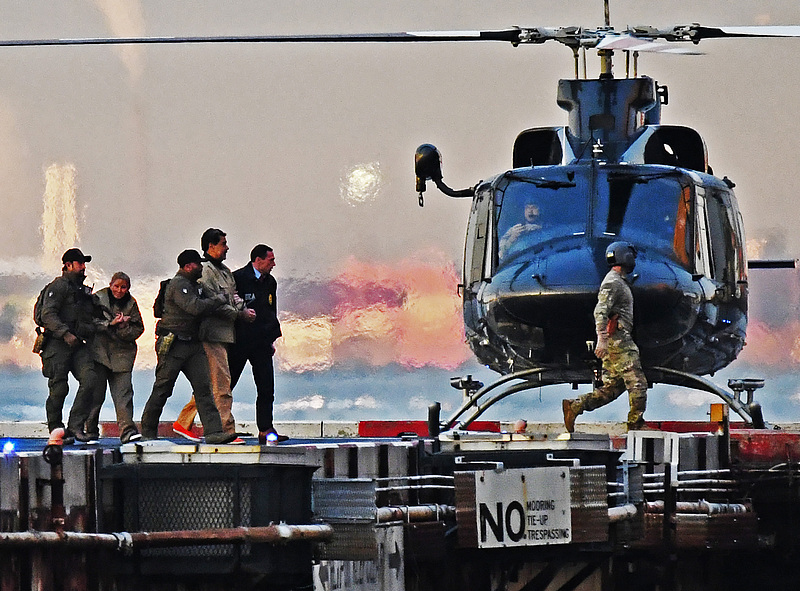
Iran’s foreign minister held separate telephone discussions with his Cuban and Brazilian counterparts, affirming a shared sense of alarm about the US military operation. In these conversations, the Iranian diplomat condemned what he labeled “military aggression” and the abduction of Venezuelan President Nicolás Maduro and his wife, asserting that such actions represent a flagrant violation of the United Nations Charter and established principles of international law. By urging other governments and the United Nations to take a clear stance against Washington’s conduct, the conversations signaled a unified front among countries concerned about escalating unilateralism.
Accusations of unlawful action
Leaders in Havana and Brasília echoed Tehran’s criticism, characterizing the US intervention as a breach of legal norms and a threat to regional stability. Cuba’s foreign minister condemned the military strikes and kidnappings, calling them “illegal” and expressing concern that such conduct undermines security throughout Latin America and the Caribbean. He emphasized Cuba’s determination to resist foreign threats and stressed the need for strengthened cooperation among friendly states to counter aggressive unilateral moves.
Brazilian officials joined the chorus, underscoring that Washington’s use of force had crossed an unacceptable boundary. According to statements from Brasília, the military action against Venezuela is a clear violation of the UN Charter, and Brazil intends to pursue the matter through international diplomatic channels, including the United Nations Security Council and regional organizations such as the Organization of American States. These responses reflect widespread unease in Latin America about external intervention and the potential erosion of sovereign rights.
A broader pattern of international opposition
The criticism extends beyond these three countries. International institutions and other states have also expressed concern about the US operation, describing it as a dangerous precedent that could weaken the foundations of the global rule of law. At an emergency meeting of the United Nations Security Council, numerous members denounced the intervention as a “crime of aggression,” urging restraint and respect for Venezuela’s sovereignty. Such global reactions underscore deep divisions over the legality and legitimacy of using military force in this context.
Regional implications and fears of escalation
The strong criticism from Iran, Cuba, and Brazil is rooted not only in legal principles but also in geopolitical anxieties. Latin American nations, in particular, fear that the US action could embolden further unilateral interventions in the region, potentially destabilizing long standing diplomatic arrangements and security understandings. These concerns are amplified by fears that precedent set in Venezuela might be extended elsewhere, unsettling a region historically sensitive to external interference.
At the same time, supporters of the US move argue that the operation aims to hold a leader accused of serious crimes to account and restore order. Yet the debate highlights profound disagreements over interpretation of international norms and the appropriate role of military power in global affairs. This clash of perspectives reflects broader tensions in a world where questions of sovereignty, human rights, and geopolitical influence intersect and often collide.

