
Introduction to CPEC and BRI
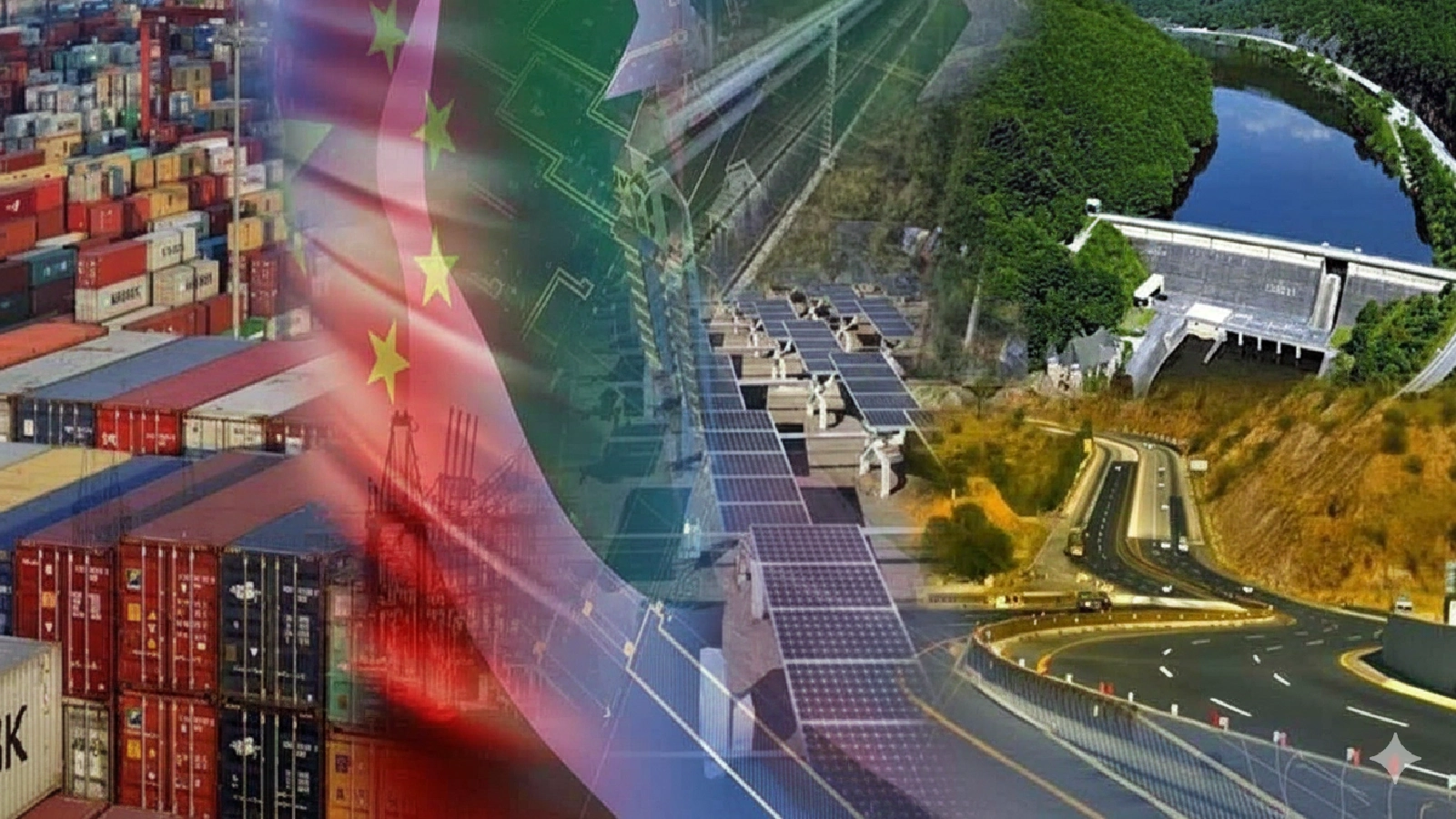
CPEC in Pakistan is best understood by what it physically changes on the ground: roads that cut travel times, power assets that stabilize supply, and port-linked logistics meant to move freight faster and cheaper. As a flagship corridor within Beijing’s Belt and Road Initiative, the program is judged less by slogans than by the durability of concrete, steel, and governance capacity around it. The debate highlighted by recent reporting focuses on what remains after ribbon-cuttings: maintenance obligations, debt servicing rhythms, local job ladders, and the security architecture needed to keep traffic flowing. That lens keeps attention on delivery and aftercare rather than announcements, and it explains why scrutiny now centers on performance, transparency, and whether promised spillovers reach households beyond the main corridor.
Key Projects Underway in Pakistan
The strongest signal of momentum is that multiple BRI projects are moving from basic connectivity to industrial and urban utility. Transport links and upgrades around major arteries have aimed to reduce bottlenecks for trucking and container movement, while energy investments have sought to convert chronic shortages into predictable baseload. Port-centric development at Gwadar, though uneven, continues to shape planning for warehousing, customs processes, and last-mile connections that determine whether maritime ambitions translate into domestic commerce. Coverage of corridor management increasingly reads like an operations report: which segments are completed, which are delayed by land acquisition or financing, and which are slowed by capacity constraints at provincial and federal levels. For ongoing phase framing and timelines, recent summaries such as CPEC Phase 2 momentum and outlook and the latest CPEC progress review track how implementation is being sequenced.
Economic and Social Impacts
Chinese investment has widened Pakistan’s infrastructure footprint, but the practical test is who captures the productivity gains. Reduced travel times can lower spoilage for agriculture and make intercity trade more predictable, yet those benefits depend on reliable policing, weigh-station discipline, and consistent road upkeep budgets. On the energy side, added generation helps industry plan shifts and households manage daily life, but tariff structures and circular debt determine whether the system remains financially stable. Social impacts are also shaped by employment quality: construction jobs are time-bound, while lasting value comes from technical roles in operations, maintenance, logistics, and industrial parks that can create wage ladders. Reporting that emphasizes “what gets left behind” points to the need for local supplier development, skills transfer, and credible environmental safeguards, not simply new capacity. Additional context on economic ties can be found in coverage of expanding China-Pakistan economic links.
Strategic and Diplomatic Implications
Pakistan infrastructure built under CPEC is inseparable from the security and diplomatic ecosystem around it. Protecting workers, routes, and energy sites has become a standing requirement, raising the cost of doing business and forcing coordination among federal agencies, provinces, and private operators. Diplomatically, the corridor reinforces Islamabad’s partnership with Beijing, but it also sharpens expectations: project governance must be predictable, and dispute resolution must be fast enough to keep financiers and contractors engaged. International observers increasingly view CPEC as a case study for how BRI governance adapts under political change, currency pressure, and security risk, making Pakistan a reference point beyond South Asia. For broader regional reading, Eurasia Review’s BRI and regional security analysis frequently connects corridor projects with shifting alliances and risk management approaches.
Future Prospects for CPEC
The next phase is being sold less as megaproject spectacle and more as a push toward industrialization, export capacity, and targeted connectivity upgrades that can be maintained. That shift makes performance metrics unavoidable: freight volumes, time-to-clear at ports and dry ports, grid reliability, and the ability of special economic zones to attract firms that actually produce and ship. It also puts attention on governance reforms that determine whether new assets degrade or compound value, especially in road maintenance funding, power-market discipline, and regulatory certainty. Recent phase framing has leaned into “CPEC 2.0” language, with industry and agriculture linkages emphasized; updates such as CPEC 2.0’s industrial phase and deepening ties under CPEC 2.0 reflect how officials are trying to repackage the corridor around outcomes rather than announcements. For daily aggregation of related developments, the referenced Google News coverage stream captures how the narrative rises and falls with each implementation milestone.

