
Overview of CPEC 2.0
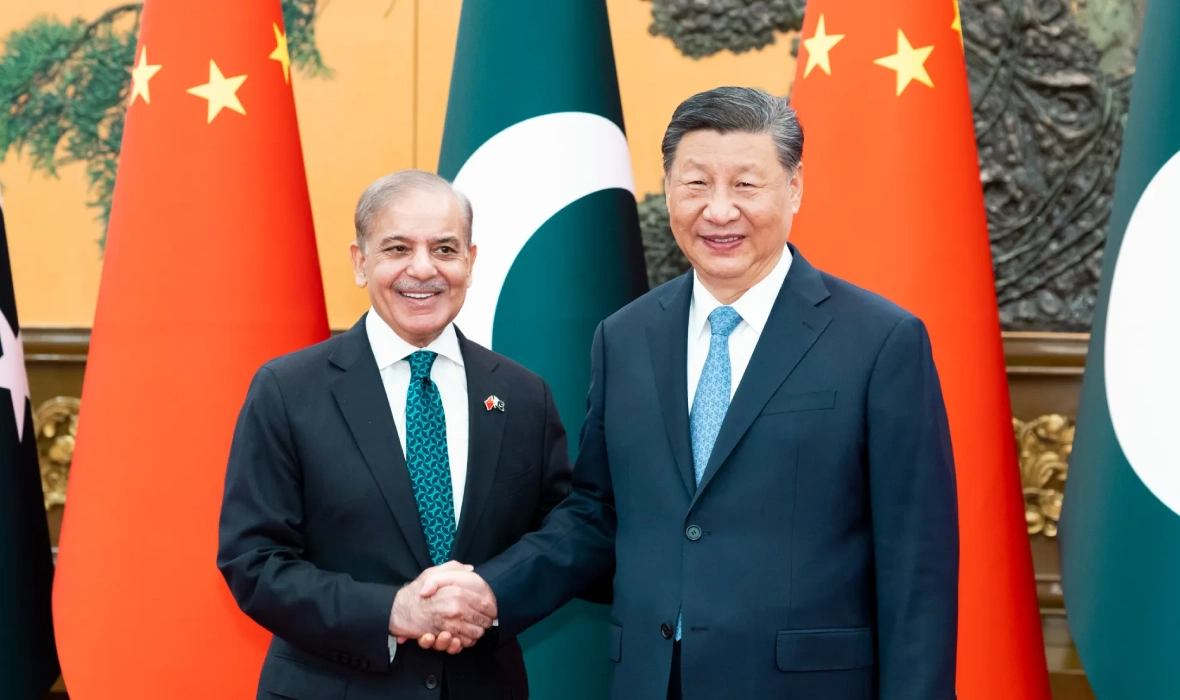
Prime Minister Shehbaz Sharif’s latest remarks, carried by the Associated Press of Pakistan, place CPEC 2.0 at the center of Islamabad’s economic playbook, framing it as a results-driven upgrade rather than a ceremonial reset. The emphasis is on moving from headline infrastructure to execution discipline: clearing bottlenecks, tightening coordination, and accelerating outputs that show up in exports, jobs, and productivity. The political messaging also leans on continuity, signaling that Pakistan wants predictable delivery timelines and dependable financing channels with Beijing. That stance connects directly to earlier official reviews of pace and priorities, including recent momentum discussions between the PM and the Chinese envoy, which have become a recurring yardstick for progress.
China’s economic role in Pakistan
China’s economic support, as praised by the prime minister, is presented as practical statecraft: capital, technology, and project management capacity aligned with Pakistan’s stabilization and growth objectives. In this phase, China-Pakistan economic ties are measured less by announcements and more by how quickly financing converts into operational capacity, particularly in energy reliability, logistics efficiency, and industrial competitiveness. The government’s public line underscores partner confidence and a preference for structured, long-horizon cooperation through established mechanisms rather than ad hoc deals. That is also where Sino-Pakistani diplomacy matters most, because coordination has to extend beyond leaders’ statements into ministries, regulators, and provincial execution teams. For broader context on the policy narrative, the evolving coverage in CPEC 2.0 reporting on deepening relations shows how economic alignment is being framed as institutional, not transactional.
Key projects under CPEC 2.0
The shift to delivery is most visible in the project mix being highlighted under CPEC 2.0, where industrial clustering and logistics upgrades are treated as the next performance indicators. Pakistan’s messaging increasingly centers on the CPEC industrial phase, using special economic zones, value-added manufacturing, and supply-chain localization to turn connectivity into exportable output. The intent is to raise the share of tradable goods and services, while improving the economics of moving inputs and finished products through corridors and ports. Provincial fast-tracking has become a parallel storyline, because timelines often depend on land, permits, and utilities at the local level; the policy push described in fast-tracking moves in Sindh is a clear example of execution being treated as a competitive advantage. External reporting, including this news coverage aggregating the APP dispatch, reinforces that the government wants measurable progress on the ground.
Implications for regional trade
The trade logic being attached to CPEC 2.0 is about lowering friction across borders and within Pakistan’s own internal market, so that producers can compete on time and cost. In regional terms, better road-rail-port integration can shorten turnaround times and reduce spoilage and inventory costs, which matters for textiles, agriculture, and light engineering alike. Pakistan’s pitch is that corridor efficiency can translate into consistent shipping schedules, improved customs handling, and stronger links between industrial nodes and gateways. The relevant metric is not just throughput at a port, but whether firms can plan production cycles around predictable logistics. That is why official commentary increasingly leans on “connectivity plus commerce,” tying infrastructure to trade outcomes. The phase framing in Phase-II developments and recommitment coverage shows how authorities are aligning trade narratives with industrial policy rather than treating them as separate tracks.
Future prospects and challenges
Advancing CPEC 2.0 now depends on governance stamina: disciplined project selection, transparent procurement, and credible dispute resolution that protects timelines and investor confidence. The biggest challenge is not rhetorical commitment but sustaining administrative capacity across political cycles, while managing currency constraints and ensuring that new industrial activity is competitive enough to earn foreign exchange. Pakistan’s officials are also signaling that improved coordination must extend to standards, workforce skills, and reliable utilities, because zones and corridors only work when factories can operate at scale without costly interruptions. A second pressure point is public accountability, since the success of the CPEC industrial phase will be judged by jobs and export growth, not by ribbon cuttings. Additional reporting and data points from outlets such as cpecinfo.com help track whether these commitments are translating into firm project milestones, operational capacity, and trade performance.

