
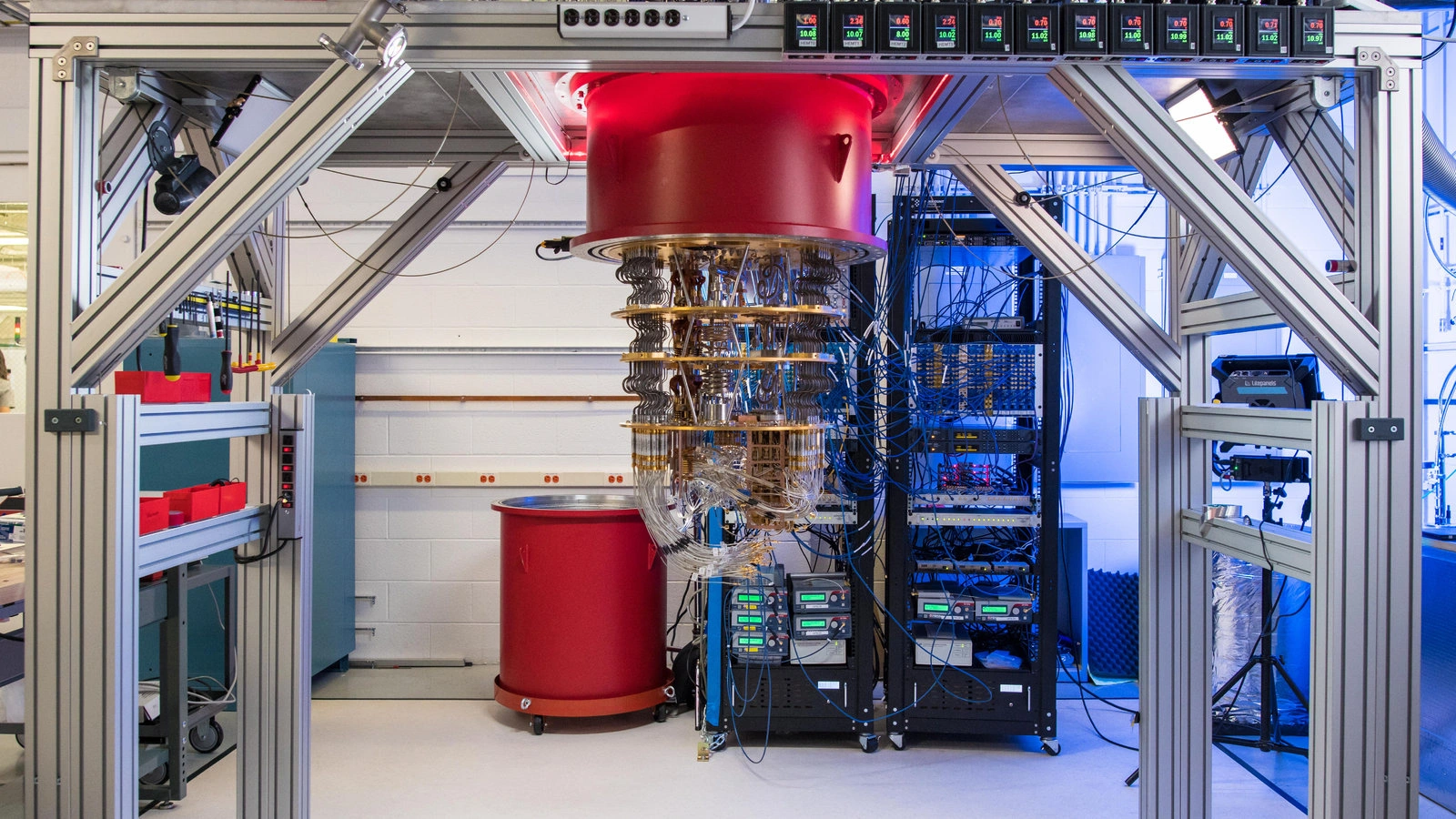
The global race to develop practical quantum computing systems is gaining momentum as major technology companies and research institutions accelerate their efforts to move beyond experimental models. Quantum computing, which relies on the principles of quantum mechanics, has the potential to process complex calculations far faster than traditional computers. This capability could transform industries such as pharmaceuticals, finance, and cybersecurity, where solving highly complex problems is a critical requirement. As progress continues, the focus is shifting from theoretical research toward real world applications that can deliver measurable value.
Recent developments highlight significant improvements in quantum hardware and error correction techniques. One of the main challenges in building functional quantum computers has been maintaining stability, as quantum bits are highly sensitive to environmental disturbances. Advances in system design and control mechanisms are helping to address these issues, allowing researchers to run longer and more reliable computations. At the same time, software development is evolving to create algorithms that can take advantage of quantum capabilities, bridging the gap between hardware innovation and practical use.
The economic impact of quantum computing is becoming a key consideration for governments and businesses. Investments in this field are increasing as organizations recognize its potential to create new markets and disrupt existing industries. Countries are launching national strategies to support research and development, aiming to secure a competitive edge in what is expected to be a transformative technology. Private sector involvement is also growing, with companies forming partnerships and collaborations to accelerate progress and share expertise.
Cybersecurity is one of the areas most affected by advancements in quantum computing. While the technology promises enhanced encryption methods, it also poses risks to current security systems that rely on traditional cryptographic techniques. This has led to increased efforts to develop quantum resistant encryption, ensuring that sensitive data remains protected in the future. The transition to new security standards is expected to be gradual, requiring coordination between governments, businesses, and technology providers.
Competition in the quantum computing space is driving rapid innovation, as companies seek to achieve milestones that demonstrate practical utility. This includes increasing the number of stable quantum bits, improving error rates, and developing scalable architectures. The pace of progress is being closely watched, as breakthroughs in any of these areas could significantly accelerate adoption and open the door to new applications.
As the technology continues to evolve, the integration of quantum computing into existing digital ecosystems will be a major focus. Organizations are exploring hybrid models that combine classical and quantum systems to maximize efficiency and performance. The ongoing advancements in this field highlight a broader trend of technological innovation, where cutting edge research is gradually moving toward real world implementation, shaping the future of computing and industry.

