
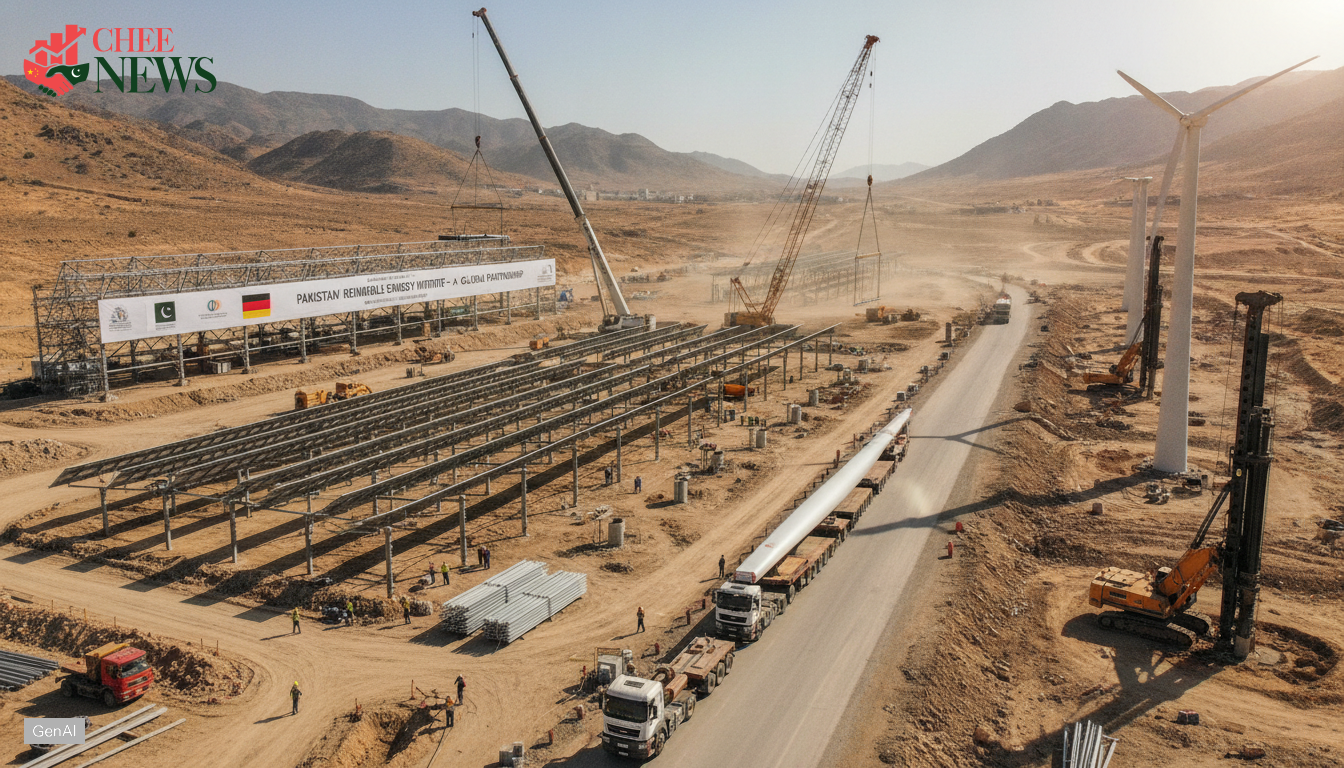
Chinese investment in energy shifts Pakistan’s priorities
Chinese investment in energy is increasingly judged in Pakistan by bankability, delivery discipline, and system integration rather than headline megawatts, as suggested by market participants and local reporting. Pakistan’s power planners appear to be reacting to tighter capital allocation and closer scrutiny of project timelines, including procurement readiness, dispatch assumptions, and grid absorption. This shift is often linked by analysts to financing realities such as loan tenor, currency risk, and payment security, which can influence which Pakistan energy projects reach financial close. With peak demand pressure typically returning in summer months and transmission congestion still limiting dispatch in key corridors, according to sector commentary, the focus has moved to near-term execution: interconnection sequencing, fuel arrangements, and measurable reductions in losses that can improve cash flow across the power chain.
How CPEC deals frame Pakistan energy projects
Recent engagements under the CPEC umbrella are reportedly being structured more around implementation schedules, currency risk, and performance guarantees than broad political communiques. Midstream, investors are also tracking how China directs capital to strategic infrastructure, as seen in coverage such as Shanghai tech funds target choke points to close gaps, while Pakistan officials have kept CPEC energy updates centered on clearing payment frictions and aligning milestones with system needs, a theme reflected in public statements from the Power Division. For the energy docket, that lens may favor targeted upgrades such as grid reinforcement and higher-efficiency units that can be integrated without destabilizing tariffs. Negotiations are also described by deal watchers as becoming more technical, with compliance testing timelines and step-in rights treated as core terms.
Grid and industrial gains tied to CPEC energy updates
The economic impact is often evaluated less by ribbon cuttings and more by whether additional power can be delivered reliably to export and manufacturing clusters. Analysts at the State Bank of Pakistan have linked energy reliability to industrial output and external balance pressures in public commentary on macro risks, and in that context, new CPEC-linked power flows are commonly evaluated for their ability to reduce the costs associated with forced load shedding and improve utilization of existing plants where transmission bottlenecks cap dispatch, according to industry analysts. Many experts argue the highest-leverage outcomes come from lowering technical losses, improving collections, and modernizing dispatch systems that can reduce expensive fuel burn. Related capital flows into technology ecosystems also matter, including signals tracked in Chinese AI investment reshapes Pakistan tech exchange as investors weigh potential productivity spillovers.
Roadblocks limiting China-Pakistan power investment
Pakistan energy projects face constraints that investors tend to price quickly, including circular debt, contractual payment delays, and policy volatility around tariffs, according to repeated industry assessments. The Ministry of Energy has publicly acknowledged the need to tighten governance of distribution companies, noting that weak recoveries translate into arrears that can deter long-tenor financing. Regulatory clarity on competitive bidding, fuel pass-through, and grid code enforcement is widely viewed as important for credible returns, and Chinese investment in energy is unlikely to expand at scale if settlement mechanics remain uncertain, even when strategic intent is strong. Investors have also become more attentive to cross-sector capital discipline, as China’s own markets reward strategic execution, a dynamic discussed in From Moonshot to Enflame: how Tencent is betting big on China’s AI champions. These signals can reinforce demands for transparent milestones and enforceable contracts.
Collaboration opportunities for Pakistan energy projects
The next phase of China-Pakistan collaboration in power is widely expected to favor smaller, faster-to-build assets and network upgrades that raise system efficiency because these can show measurable results without adding oversized capacity charges, according to sector observers. Pakistan’s planners have emphasized transmission expansion, flexible generation, and better forecasting as prerequisites for integrating more variable supply and reducing curtailment, as reflected in official planning discussions. In that operating model, CPEC energy updates may increasingly revolve around grid automation, metering, and performance-based rehabilitation of distribution networks rather than a single flagship plant. Industrial zones also need predictable power quality for higher-value production, which can anchor co-investment in substations and dedicated feeders. The most durable pipeline is likely to depend on audited data, credible procurement, and dispute-resolution mechanisms that prevent arrears from reappearing.

