
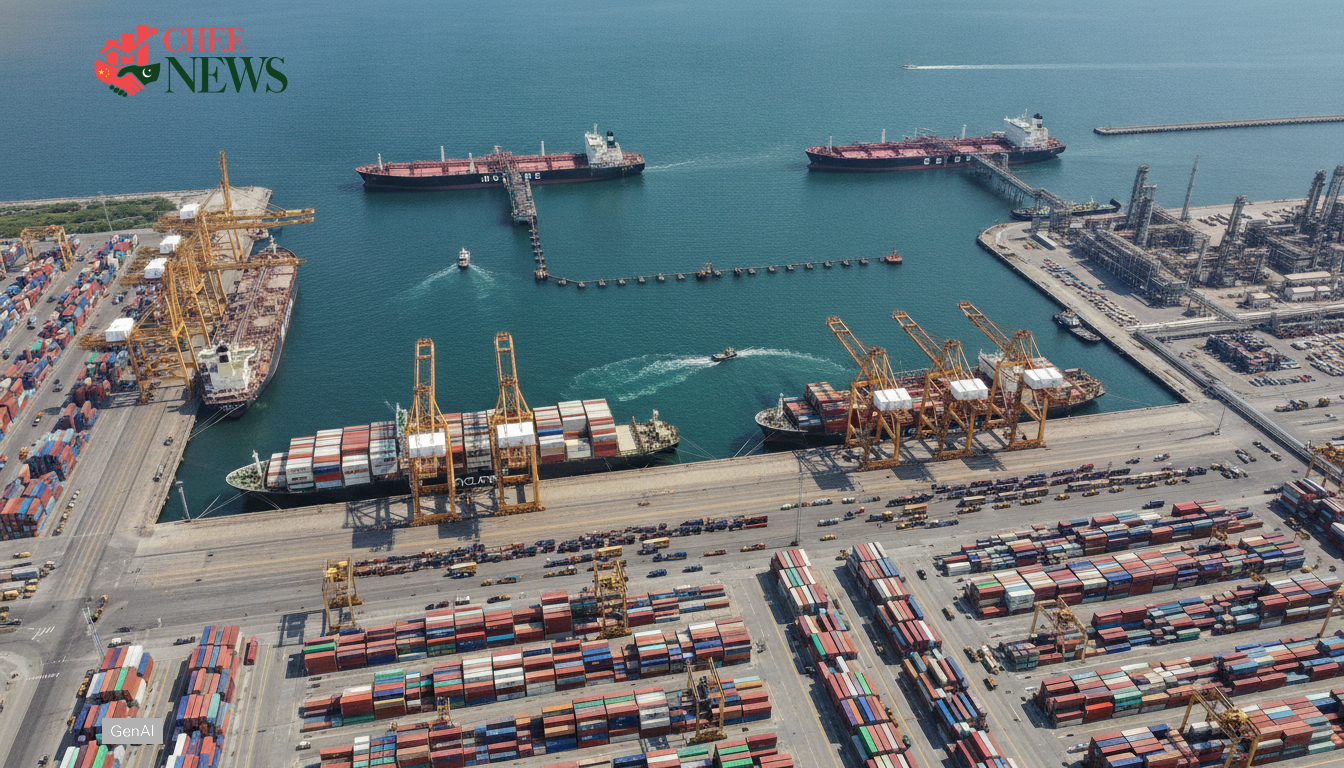
China’s tanker repositioning and corridor logistics
CPEC-linked oil logistics are gaining attention as China is reported to be adjusting where state-linked tankers wait, load, and reposition to cut exposure to Gulf chokepoints. In reporting on state shippers, deployments were described as keeping some tonnage outside the Gulf to reduce concentrated transit risk during periods of heightened security concern. For traders, the signal is less about adding crude supply and more about trying to keep cargoes moving when insurers and charterers are reported to be repricing war risk. Operationally, repositioning can change bunkering plans, crew changes, and port calls across the Indian Ocean. For Pakistan, it raises practical questions about whether nearby ports can offer predictable turnaround times and storage when schedules shift.
Why Gulf chokepoints matter for energy shipping routes
Routing through narrow passages such as the Strait of Hormuz and nearby sea lanes can create single-point disruption risk for cargo owners and for any corridor concept tied to stable delivery windows. Even if daily global oil volumes are unchanged, longer diversions can increase voyage days and fuel burn, which may tighten effective tanker supply and lift freight during peak loading weeks. The strategy also links to broader overseas expansion by Chinese firms, a theme discussed by the South China Morning Post in 82% of Chinese firms eye overseas growth, with Hong Kong top service support choice. That can feed into demurrage exposure when discharge slots slip. For refiners and buyers, diversification can mean more staggered arrivals and tighter scheduling discipline rather than simply more ships.
Pakistan ports and corridor readiness
Pakistan’s role becomes more operational when shipping patterns favor optionality across the Arabian Sea. Maritime planners have long assessed how Gwadar and Karachi could support storage, blending, and transshipment that complements China Pakistan trade flows. For CPEC oil transportation, the hard constraint is execution: berth availability, customs predictability, and security coordination determine whether vessels can reliably turn around. A practical benchmark is whether ports can reduce waiting time from days to hours, because even a one-day delay can translate into sizable charter costs on long-haul routes. Policy momentum and review speed can also matter for investors comparing timelines, as seen in AI in Hong Kong speeds up environmental impact reviews. Competitiveness depends on measurable service standards, not geography alone.
Cost, insurance, and trade effects
At Karachi and Gwadar, the corridor question is whether any logistics savings are captured after financing, operations, and risk pricing are included. Insurance is central because underwriters may raise premiums when routes face uncertainty, and those costs can pass through to delivered prices. Charterers also build buffers into schedules, which can reduce asset utilization and raise per-barrel transport costs. CheeNews has tracked the demand and pricing backdrop in China economic slowdown disrupts trade and market pricing. In an environment where demand expectations move quickly, corridor economics can look different month to month. If CPEC oil transportation reduces voyage variability and helps prevent disputes over late delivery, it could improve commercial confidence even before major new capacity is added. The best case still depends on verified service performance and contract clarity.
Next steps and risks for corridor planning
In 2024 planning cycles, near-term progress will hinge on aligning routing flexibility with port readiness, pipeline planning discipline, and consistent commercial rules. The tanker repositioning trend suggests that even large state actors may prefer multiple options when risk rises, rather than dependence on one corridor. For Pakistan, sequencing is critical because partial infrastructure can create bottlenecks that erase theoretical gains. For China, coordination across shipping schedules, refinery needs, and overseas partners is needed to avoid idle assets. Corridor planning can benefit from clearer tariffs, faster dispute resolution, and transparent windows for berthing and storage. Practical next steps include published port performance targets and audited turnaround metrics, since buyers and shippers price reliability. If operational basics improve, corridor energy logistics can move from contingency planning into routine contracting.

