
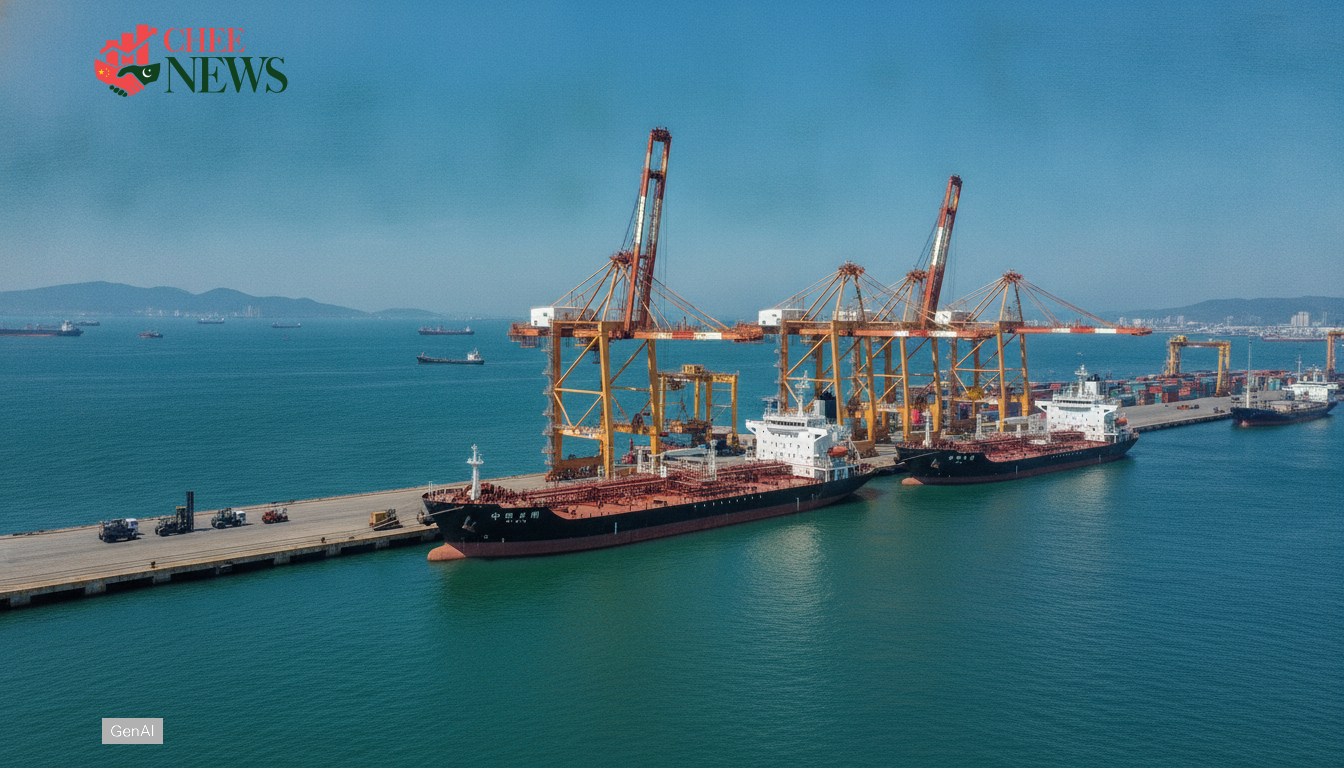
Chinese oil tankers reroute to avoid Gulf chokepoints
According to available reports, Chinese oil tankers operated by state-linked shipping firms are being positioned outside the Gulf to reduce exposure to chokepoints and sudden security disruption. Reuters reported that, as regional risk warnings intensified in mid-2024, some vessels were kept on standby beyond the most vulnerable passages so cargoes could be lifted with less time in constrained waters. Traders and shipbrokers told Reuters the moves reflect heightened concern about missile and drone threats near key sea lanes. By staging Chinese oil tankers farther out, operators can pivot faster if insurers tighten terms or charterers demand rerouting. For refiners, the shift adds uncertainty to arrival windows and increases the need to build buffer into delivery programs.
How state shipping changes crude flows and freight pricing
When a dominant buyer like China adjusts fleet positioning, freight markets can move quickly because supply of available ships shifts between basins. Reuters noted that risk management around Gulf chokepoints is the immediate driver, but if more Chinese oil tankers wait outside the Gulf, some voyages become longer and less predictable, which can lift hire costs and increase bunker consumption. The commercial impact is real: tighter tonnage in one area and looser availability elsewhere can alter spot rate negotiations and cargo timing. A parallel emphasis on operational efficiency under uncertainty is also visible in industrial policy coverage such as Alibaba Qwen AI model targets bigger rivals with efficiency, highlighting how large firms prioritize resilience when conditions shift.
Route planning outside the Gulf and handover logistics
Holding Chinese oil tankers outside the Gulf reduces time in constrained waters, but it changes how cargoes are staged, nominated, and handed over among owners, charterers, and terminals. Brokers cited by Reuters described waiting areas that enable quick entry and exit when alerts rise, helping operators manage traffic and limit exposure. This strategy also intersects with alternative corridors and inland links explored in CPEC Oil Transportation: China’s Tanker Shift Explained. For buyers, the approach can increase reliance on floating storage and require more active coordination with loading terminals to prevent berth congestion. In parallel, regional energy diplomacy continues to evolve, including context from Philippines-China Oil Exploration: Marcos Opens Discussions.
Energy security role of Chinese oil tankers and state control
These deployments fit a longer-term energy security approach that favors diversified routes, higher strategic inventories, and stronger control over transport assets. Reuters described the steps as precautionary rather than a permanent break from standard Gulf transits, but the logic is consistent: Chinese oil tankers under state management provide options that pure spot chartering cannot guarantee during periods of heightened risk. Analysts cited by Reuters have warned that even short disruptions can raise delivered costs quickly, making pre-positioning a practical hedge. This shipping posture also interacts with demand signals and pricing dynamics at home, including pressures outlined in China economic slowdown disrupts trade and market pricing, which can shape how aggressively refiners schedule crude intake and manage inventories.
What the rerouting trend means for global oil trade next
If elevated risk persists, the market could normalize more contingency clauses and more frequent holding patterns outside the Gulf, which would likely increase average voyage time and keep freight volatility higher. That outcome would be felt most when weather, port delays, and naval advisories overlap, creating compounding schedule slippage for refiners dependent on tight intake planning. Reuters reporting indicates operators are tracking insurance signals and official guidance closely, so decisions can change quickly. The key question is whether the current approach remains episodic or becomes routine fleet management, gradually repricing the cost of moving Middle Eastern barrels to Asia. For global trade, the immediate effect is a higher premium on flexibility and a larger role for state-controlled shipping in keeping supply chains stable.

