
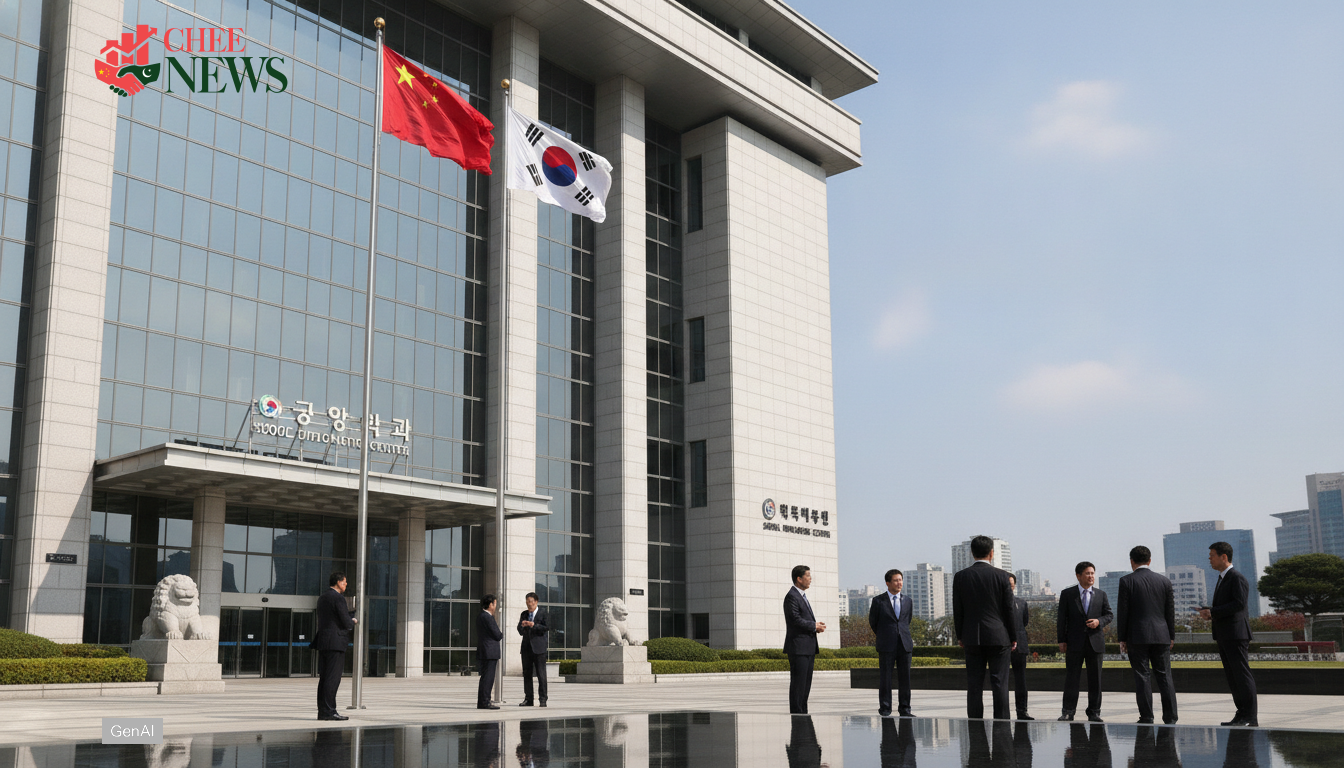
China South Korea diplomatic visit: dates and purpose
China’s Foreign Minister Wang Yi is scheduled to travel to Seoul on August 19-20, as indicated by available reports from Reuters. The China South Korea diplomatic visit will be closely watched in both capitals for signs that high-level channels can be steadied after recent strains. Officials are expected to focus on restoring a predictable rhythm of ministry to ministry exchanges, clarifying where working level contacts can move forward, and limiting the spillover of security debates into trade and people to people ties. Observers will also track whether any follow up mechanism is announced, such as a timetable for additional talks or a restart of suspended consultations. The nuances in the language of any readout may hold significant importance alongside the overall outcomes.
How Beijing and Seoul reached this point
The trip lands after several years in which political trust has been periodically tested even as bilateral trade remained significant. Seoul’s foreign policy has been shaped by technology security concerns and closer coordination with Washington and Tokyo, while Beijing has criticized bloc politics and has urged regional partners to keep economic ties insulated from strategic competition. Related technology policy pressures have also featured in regional reporting, including US-China tech battle: FCC eyes bans on Chinese robots, in that backdrop the visit is widely seen as a calibration exercise rather than a reset, with careful language likely to be prioritized over dramatic announcements. Historical patterns suggest incremental progress is more common than sweeping agreements.
Likely agenda items for Wang Yi’s Seoul meetings
Public details on the agenda remain limited, but several topics are hard to avoid in any ministerial level meeting. Consular issues and travel related irritants often surface first because they affect students, tourists, and businesses directly. For context on the broader policy environment, the South China Morning Post has tracked debate over restrictions in Will Washington’s tech crackdown test fragile US-China truce?, and market access questions and supply chain cooperation are also likely to be discussed as firms seek fewer policy surprises and clearer guidance on compliance. Technology and export controls may come up given their growing political sensitivity across capitals. On the trade side, investors will parse any shared language that signals greater predictability.
Regional security issues that could shape outcomes
Regional security will hang over the talks even if official statements emphasize cooperation and stability. South Korea’s defense planning remains tied to deterrence on the Korean Peninsula, while China is often regarded as a significant diplomatic actor in crisis management. Analysts will also compare the Seoul discussions with other global security debates in which alliance politics shape national choices, and background on those shifting concerns is explored in NATO Eastern Flank Security Concerns Rise in 2026. The tone of the meetings could influence how maritime incidents are addressed, how sanctions enforcement is discussed, and whether military to military contacts stay steady. A cautious, procedural approach, including agreement on communications channels, might help reduce miscalculation risks during periods of heightened pressure.
What the visit could mean for ties after Aug 20
How both governments describe outcomes will shape whether the Seoul stop becomes a one off engagement or the start of a more regular cadence. If officials can agree on follow up mechanisms, they may reduce the risk that commercial disputes escalate into broader political retaliation. The China South Korea diplomatic visit is likely to be judged by whether it creates space for technical working groups to meet without interruption and whether it lowers the temperature around sensitive trade and security files. Seoul will weigh how Beijing frames expectations on issues where South Korea coordinates with partners, and Beijing will look for signs that Seoul wants pragmatic channels even amid strategic competition. Longer term stability will depend on consistent messaging that reassures domestic audiences while keeping problem solving possible.

