
Potential Rise in China Trade Risks as Wild Weather Lifts Crop Prices
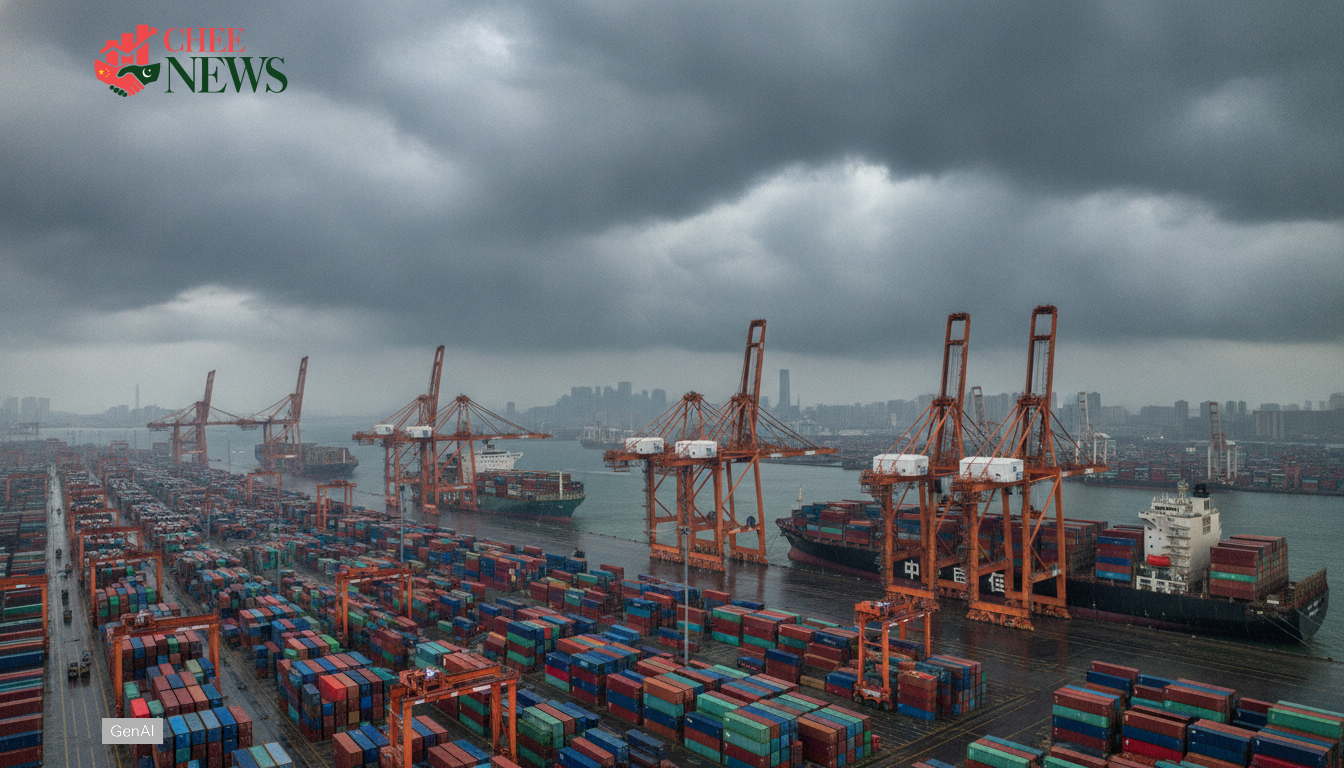
China trade risks could increase as wild weather pushes global crop prices higher and forces importers to manage volatility in freight, insurance, and supply reliability. Heat, floods, and drought may tighten exportable surpluses across key growing regions, prompting buyers to commit earlier while yields remain uncertain. In 2024 and into 2025, markets have at times shown sharper day-to-day swings, which could widen basis spreads between origins and increase the chance that physical cargo costs diverge from benchmark futures. For China, the result can be a more complex mix of potentially higher landed costs, pressure on crushing margins, and greater disruption risk if weather headlines trigger sudden origin switches.
How Weather Shocks Could Translate Into Trade Exposure for China
Commodity desks reprice grains and oilseeds quickly when field conditions deteriorate, but the trade impact often shows up later in logistics and contract performance. For context on how environmental strain may drive access limits and operational constraints, see Quota set for visitors to popular Sai Kung coastal trail in first for Hong Kong. As crop prices rise, freight and storage costs may climb in tandem, raising the all-in import bill even when futures briefly stabilize. The uncertainty adds to procurement risk because teams may lock in coverage sooner, then absorb revisions as crop estimates change. The effect can be amplified when more than one origin faces stress at the same time, forcing importers to potentially pay premiums for reliability rather than just for protein or oil content.
Impact on China’s Import Costs, Credit, and Buying Tactics
Chinese crushers, feed mills, and state buyers could face margin pressure when raw material costs rise faster than downstream prices, especially during short coverage windows. In tighter markets, firms may shift toward shorter contracts and more frequent tenders, which can increase transaction costs and reduce leverage with shippers. Higher working-capital needs could also tighten credit for smaller importers, particularly if banks reprice short-term funding, as discussed in China banking trends: banks reprice loans to repo rates. These dynamics may raise China trade risks by increasing the probability of delayed cargoes, renegotiations, or abrupt origin switches when weather updates arrive. Import decisions are becoming as much a risk-management exercise as a sourcing task, with more attention to timing, collateral, and counterparty performance.
How Importers Might Mitigate Exposure With Hedges and Contracts
Large buyers may respond by widening origin optionality and using layered hedges across futures, options, and freight rather than relying on a single benchmark. Procurement teams increasingly separate pricing from physical performance, locking in spreads where possible while keeping shipment windows flexible to reduce exposure when crop prices gap higher. Coverage of broader industrial adjustments appears in Pakistan energy projects: China reshapes funding and grid, reflecting how risk controls and financing constraints can travel across sectors. Contract language can matter more in volatile years: clearer quality tolerances, demurrage terms, and dispute pathways may limit losses when weather downgrades supplies. These tools cannot remove weather shocks, but they can reduce the odds that a supply hiccup becomes a balance-sheet event.
Outlook: Policy and Market Shifts That Could Deepen Import-Related Risks
Persistently higher food and feed inputs could complicate efforts to stabilize consumer prices while supporting growth, because costs may pass through to pork, poultry, and cooking oil. If volatility remains elevated into 2025, planners might prioritize strategic reserves, diversified supplier relationships, and productivity gains in domestic farming to reduce import dependence. In 2025, those adjustments require capital for storage, logistics, and seed technology rather than pure volume buying, and they may change trade patterns even if headline import totals stay similar. Exporting countries and trading houses might also tighten risk limits and shipment promises, increasing premiums for reliable loadings. In that setting, China trade risks include potential operational disruptions and policy spillovers if governments adjust export controls in response to weather-linked tightening.

