
Nvidia H200 chips arrive in China under tighter controls
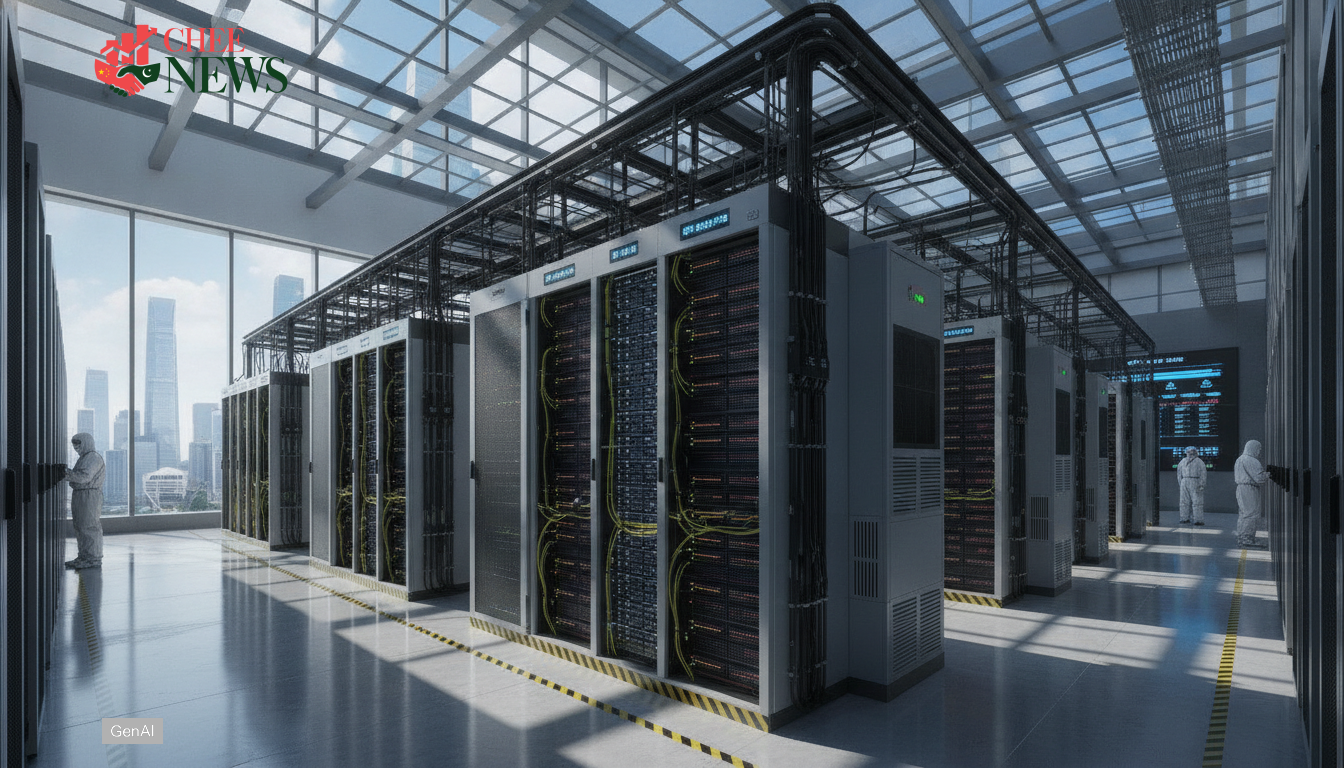
Nvidia H200 chips are beginning to reach China in small, tightly controlled shipments even as US export restrictions continue to limit high end AI hardware sales. According to available reports from Reuters, the Financial Times said the H200 has arrived via limited channels rather than broad commercial distribution, and that Nvidia H200 chips are moving through those limited channels. The distinction matters because volumes, buyer eligibility, and final configurations can determine whether deliveries remain compliant with US rules. Nvidia has also told investors in earnings materials that it follows US export requirements and that China related revenue is constrained by regulation. For China buyers, the immediate impact is not scale but access: a signal that supply lines and compliance pathways are being tested in real time.
Who can buy H200 and why small lots still matter
For Chinese cloud operators and model development teams, even small allocations can bridge short term procurement gaps while domestic alternatives ramp and data center expansion plans are adjusted. The Reuters item, citing the Financial Times, characterized the flow as small shipments, implying selective access that cannot meet broad training demand. The policy and enterprise context is also evolving, including debates about where AI investment should go and what risks it carries, such as in China AI Technology in Military Design Faces Hallucination Risks, and this selective access forces prioritization: some teams may reserve imported accelerators for frontier training runs and push more inference or fine tuning workloads to domestic chips. In practice, scarce capacity tends to be allocated to the highest ROI workloads.
US export rules drive compliance-first distribution
US export restrictions have pushed chipmakers, resellers, and intermediaries toward narrower compliance pathways, and that dynamic is visible in the controlled flow of Nvidia H200 chips. Reuters, referencing the Financial Times, emphasized that shipments were small, underscoring how trade tension can reshape procurement into fragmented lots rather than routine commercial volumes. A related look at the procurement environment appears in China eases access to Nvidia H200 chips for AI builds, which frames acquisition as compliance driven rather than a return to open supply, and on the buyer side, companies may adjust system builds to match what is legally obtainable, swap to lower performance parts where permitted, or redesign clusters to reduce dependence on restricted interconnect and scaling features. The working reality is constrained access, higher friction, and more verification.
Market reaction and China’s compute demand signals
Investors are cautiously watching whether constrained China revenue stabilizes or stays volatile as licensing, product segmentation, and enforcement evolve across 2024 and 2025. Reuters has repeatedly tied market sensitivity to how US policy defines performance thresholds for Nvidia AI chips, since threshold changes can quickly redraw the addressable market for leading suppliers. South China Morning Post coverage of municipal priorities, including Shanghai digital economy plan, shows why data center capacity and accelerator availability still matter for local growth targets, and meanwhile, China’s regional governments continue to signal ambition for digital industry upgrades, keeping demand for compute capacity high even if imports remain capped. The near term market read through remains policy risk first, product cycle second.
What small shipments mean for semiconductor trade next
If small shipments persist, the semiconductor trade may settle into a pattern where continuity is more important than volume, with intermediaries, compliance teams, and end users optimizing for predictable delivery under scrutiny. According to reports from Reuters citing the Financial Times, this points to a channel that can exist under tight rules, but one that is unlikely to restore prior scale or normalize procurement timelines. Over time, the environment encourages parallel supply chains: US aligned ecosystems focused on controlled distribution and compliance audits, and China centered ecosystems emphasizing local design, packaging, and deployment. For multinational firms, the operational challenge is managing split product lines, support, and documentation without triggering violations. For China, the strategic consequence is faster substitution efforts while rationing imported accelerators for priority workloads, which may impact market dynamics significantly.

