
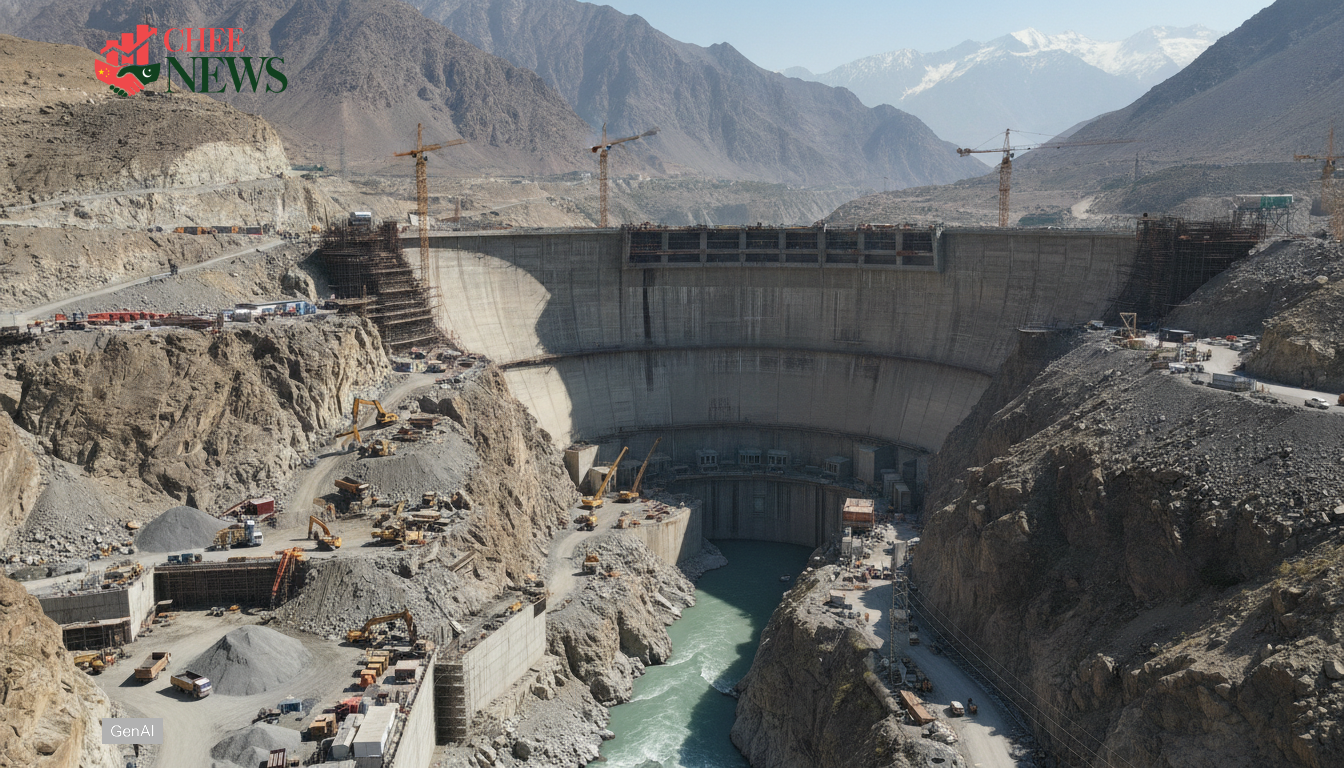
How Chinese investment may shape Pakistan’s energy financing
In 2024 and 2025, officials have reportedly signaled tighter project screening to limit circular debt exposure and prioritize upgrades that improve dispatch and reliability, though timelines and criteria can vary by agency. Chinese investment may influence how Pakistan funds and builds power generation and grid upgrades, as lenders and contractors seek clearer guarantees and faster settlement, according to sector reporting and commentary from project participants. The emphasis has increasingly moved from headline megawatts to bankable offtake terms, enforceable payment security and phased delivery, as industry sources describe it. The near-term impact may be a smaller but more financeable pipeline, with government agencies focusing on projects intended to cut losses, stabilize frequency and reduce forced outages during peak demand months.
Where Chinese investment is going in Pakistan’s grid and plants
Provincial planners increasingly track whether new substations, transmission loops and plant refurbishments raise industrial uptime and reduce outage hours, according to local planning discussions cited in sector reporting. For context on how Beijing frames energy cooperation regionally, China-Indonesia defense cooperation widens to energy outlines how infrastructure, technology and policy messaging often move together. Contractors have reported steadier work in civil construction, transport and maintenance around grid reinforcement corridors, though these accounts are anecdotal and can differ by region. Local officials also say the durable benefit comes from fewer feeder trips and better voltage stability, but the scale of improvement typically depends on commissioning quality and operations. Market watchers also follow China’s funding conditions more broadly, including China banking trends: banks reprice loans to repo rates, because borrowing costs and risk pricing can influence overseas project terms.
Technology transfer tied to controls, telemetry and software
Utilities say they are pressing suppliers for modern protection relays, SCADA upgrades, telemetry and outage management tools because the payoff is meant to be measurable in lower technical losses and faster restoration. The most valuable transfer is often described as software and systems integration, including interoperable platforms that can be audited, maintained locally and connected to existing dispatch centers. In this context, Chinese investment may function as both capital and a procurement channel for switching equipment and digital controls, depending on contract structure. Engineering teams also benchmark practices against other markets when setting localization targets and service-level requirements, according to utility and vendor discussions. The practical test is whether new controls can reduce forced shutdowns during summer peaks and improve feeder performance across dense urban loads.
Tariffs, currency risk and governance pressures
Financing terms have become politically sensitive as capacity payments, exchange-rate exposure and fuel costs filter into tariffs and household bills, as reflected in public debate and sector coverage. Sector reporting such as Pakistan energy projects: China reshapes funding and grid tracks how funding structures and grid priorities are described as shifting toward stronger payment security and clearer allocation of risk. Policymakers face pressure to show that renegotiations protect the public balance sheet while keeping generation available and networks stable, according to officials’ public statements and reporting. At the same time, scrutiny of contract transparency and project governance has increased, particularly where guarantees and sovereign support determine pricing, according to analysts and governance advocates. The core issue is aligning affordability with credible settlement discipline so lenders are more likely to offer longer tenors at tolerable margins.
Outlook for projects, reforms and new commitments
Pakistan’s next phase is likely to prioritize transmission reinforcement, plant efficiency retrofits and metering improvements that raise usable capacity without overbuilding, based on planning discussions reported in the sector. Planning signals suggest a preference for projects that cut losses, stabilize frequency and reduce imported fuel exposure where feasible, while reforms are described as focusing on collections and more predictable subsidies. New commitments may arrive in phased tranches when payment discipline improves and currency-risk mitigation is seen as credible, because those variables directly shape pricing, according to market participants. Procurement may also favor vendors that train local operators and provide verifiable performance data rather than closed systems, as utilities and analysts have argued. With regional competition for capital rising, Pakistan’s reform credibility may determine whether future financing advances steadily or pauses at memorandum stage.

