
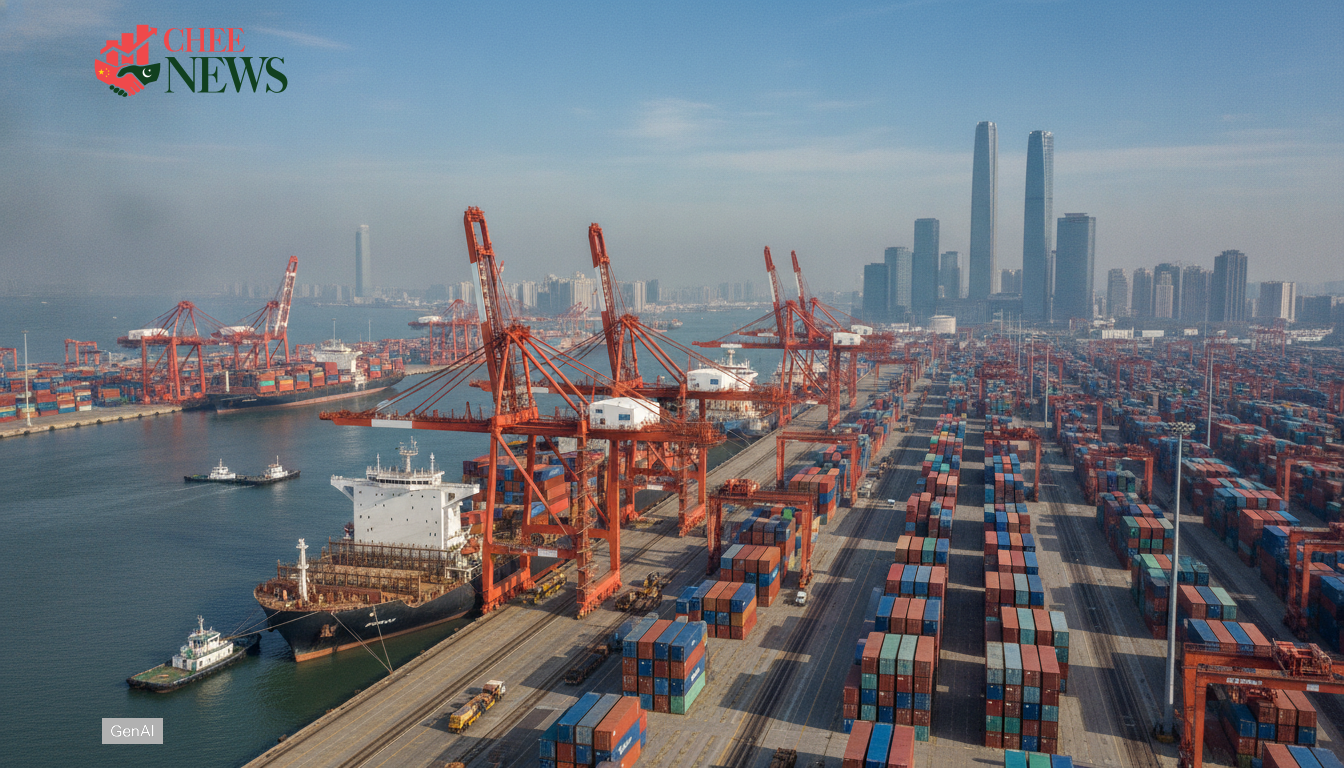
Chinese investment in Pakistan as China profits cool
Chinese investment in Pakistan may be entering a more selective phase as some of China’s manufacturers contend with tighter margins and slower earnings growth. According to available reports, China’s industrial profits growth has slowed, which can be read as a signal that many boardrooms are emphasizing cost discipline, shorter payback periods, and export diversification. For Pakistan, that can shift the pitch from scale to certainty: reliable power, predictable logistics, and clear rules that reduce execution risk. Investors also tend to weigh currency stability and the ability to repatriate earnings through transparent banking channels. Deals that demonstrate measurable productivity gains and credible timelines may be more likely to progress than open-ended expansion plans.
What the slowdown means for CPEC financing and delivery
If profit growth cools, companies and lenders often apply tighter scrutiny to engineering, procurement, and construction pipelines, including CPEC project updates where schedules can depend on imported equipment, difficult terrain, or seasonal access constraints. Reporting on CPEC Project Updates: Glacier Collapse Delays Trade illustrates how physical disruptions can affect delivery windows and increase perceived project risk, and delays can raise carrying costs and, in some cases, lead to contract renegotiations if milestones slip. Parallel analysis on China Pakistan energy collaboration reshapes CPEC finance highlights how power-sector reliability and payment structures can influence investor confidence. In this environment, smaller, verifiable upgrades may be easier to insure and finance than ambitious plans with longer execution timelines.
Trade openings Pakistan can target now
As some Chinese manufacturers seek to protect margins, procurement teams may put more weight on dependable inputs, faster turnarounds, and auditable origin documentation—not only price. A useful demand signal is discussed in Hong Kong exports surge on AI-related electronics demand, which suggests supply chains can continue rotating toward higher-value components even during softer cycles, and that can create openings for Pakistani exporters in textiles, agri-processing, and light engineering if they can meet specifications and maintain consistent lead times. For companies aligned with Chinese investment in Pakistan supply chains, a practical play is to strengthen customs processing, testing capacity, and packaging standards that match buyer checklists, helping reduce rejection risk at the border and improving repeat-order potential.
How Pakistani firms can win contracts and partnerships
Pakistani enterprises seeking durable contracts can improve outcomes by moving beyond commodity-cycle selling and presenting bankable operating proof in Karachi’s port-and-industrial belt where many exporters coordinate shipments. Strong bids typically quantify delivery reliability, inventory buffers, and dispute-resolution pathways, then address foreign-exchange volatility with auditable clauses both sides can verify. For BRI developments, it can help to map which Chinese provinces and sector champions are currently sourcing overseas partners and to time outreach to procurement calendars rather than relying only on generic trade fairs. Compliance is increasingly central in many cross-border supply chains because buyers may ask for traceability, verified labor standards, and environmental controls to limit downstream brand risk. China–Pakistan investment deals may be more likely where local partners can show clean bookkeeping, tax filings, and consistent QA documentation.
Outlook for Sino-Pakistani trade and investment
Near-term decision-making may favor projects that reduce import dependence and improve corridor efficiency without stretching balance sheets, especially in and around Gwadar where timelines are closely watched. Chinese investment in Pakistan is likely to track these signals, along with dispute-resolution speed and the availability of skilled local labor needed to keep operations stable. Modular expansions in logistics, cold chain, and feeder industrial parks can outperform headline-sized ventures when profitability is under pressure and financing is cautious. Policymakers can support this by standardizing tariff schedules for industrial inputs, publishing clear timelines for refunds and duty drawbacks, and improving service-level targets for approvals—steps that can reduce working-capital strain for exporters. For credibility, CPEC delivery benefits from consistent execution against milestones that lenders and insurers can verify.

