
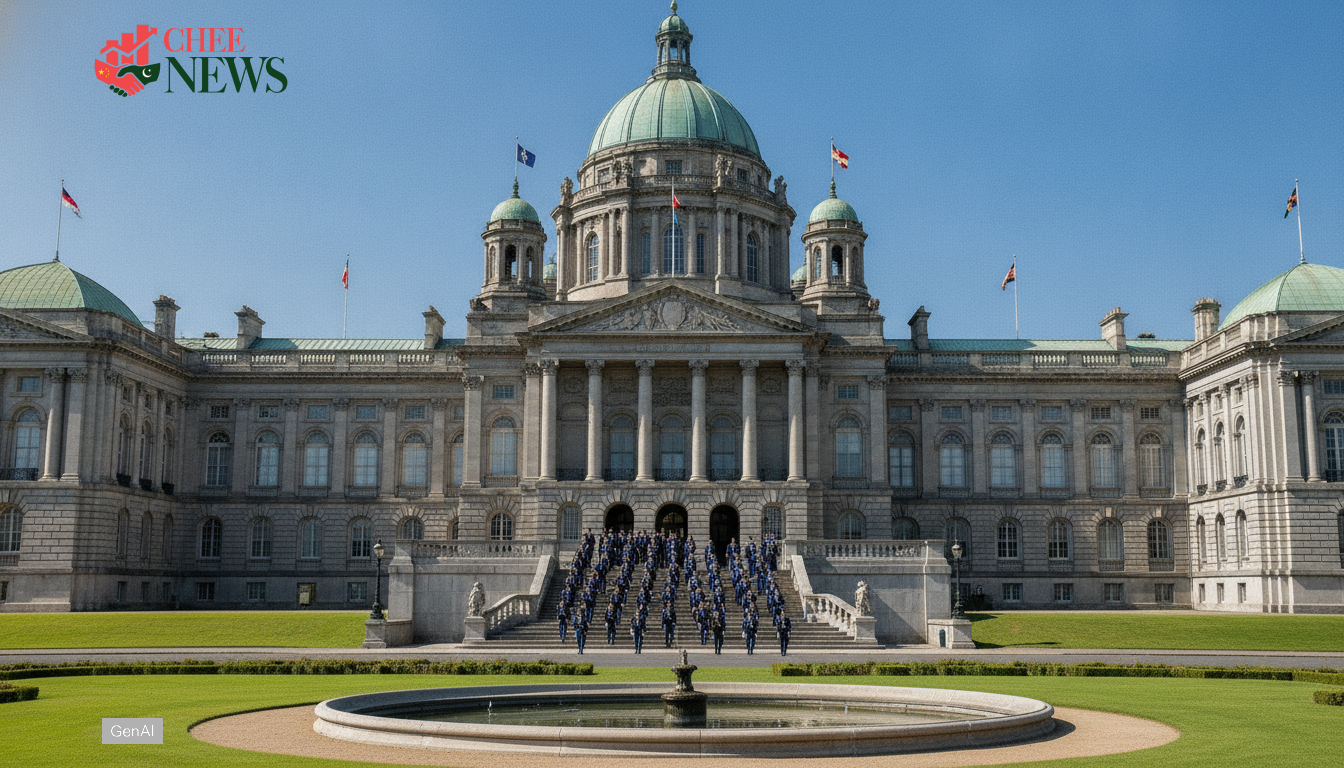
Chinese military leadership reshaped at the top
Chinese military leadership is in focus after Reuters reported China removed two senior generals from the Central Military Commission, the Communist Party body at the apex of the armed forces. The move effectively strips the officers of seats on the supreme command structure without a public explanation. Reuters said the change became visible through official state media listings, signaling an institutional action rather than a ceremonial adjustment. In official messaging, the armed forces are described as a political institution that must remain loyal to the Party and its chain of command. The development puts personnel management, discipline, and compliance at the center of near-term military governance.
What the Central Military Commission shift signals
The leadership adjustment comes as neighboring capitals watch for continuity in maritime and border policy, although Beijing provides limited detail. Analysts often examine whether staffing changes alter the tempo of exercises, procurement priorities, or the signaling attached to deployments, but firm assessment usually requires official baselines. Separate monitoring of capability building also tracks industrial indicators, including Hong Kong exports surge on AI-related electronics demand, which highlights how supply chains are observed alongside command-level decisions. Reuters framed the removals as notable because commission membership is closely tied to operational authority and influence over modernization.
Drivers behind Chinese military leadership rotations
Within Beijing, changes at the apex can indicate a push to tighten discipline, adjust readiness oversight, or re-balance procurement power among services and departments. Reuters did not cite a public reason for the changes, so the most defensible reading is procedural: aligning senior appointments with current operational requirements and compliance expectations. In practice, decisions can shift which bureaucracies shape modernization timelines, joint training priorities, and internal oversight mechanisms within Chinese military leadership. The broader technology governance environment also matters, with security regulators weighing controls on advanced systems, as discussed in China AI security: Beijing weighs US risks and rules. These adjacent policy signals can inform how modernization programs are managed.
How international observers interpret the removals
International observers are parsing the personnel news for implications on civil-military relations and the balance between operational commanders and political overseers. Reuters emphasized that changes at that level becoming visible through official listings without narrative is unusual, which can intensify external scrutiny. Another track of observation follows how major systems are managed and showcased, with South China Morning Post reporting on MTR engineering reflecting the region’s attention to state capacity and execution. Governments typically look for confirmation in subsequent speeches, defense diplomacy schedules, and the composition of delegations at security forums, rather than drawing conclusions from a single data point.
What to watch next for Chinese military leadership
Looking ahead, the key issue is whether the top-level adjustment is followed by additional rotations, new discipline messaging, or clearer guidance for the military command on procurement and readiness. Reuters presented the removals as a significant change in the top body, and that alone can influence how senior officers interpret risk and compliance. Attention also falls on logistics corridors that touch defense mobility, including China-Pakistan links and CPEC-related routes, as covered in China-Pakistan trade routes tested by flash floods. For planners outside China, monitoring will focus on observable outputs such as training patterns, doctrinal publications, and the pace of equipment rollouts, rather than assuming one personnel move shifts strategic posture.

