
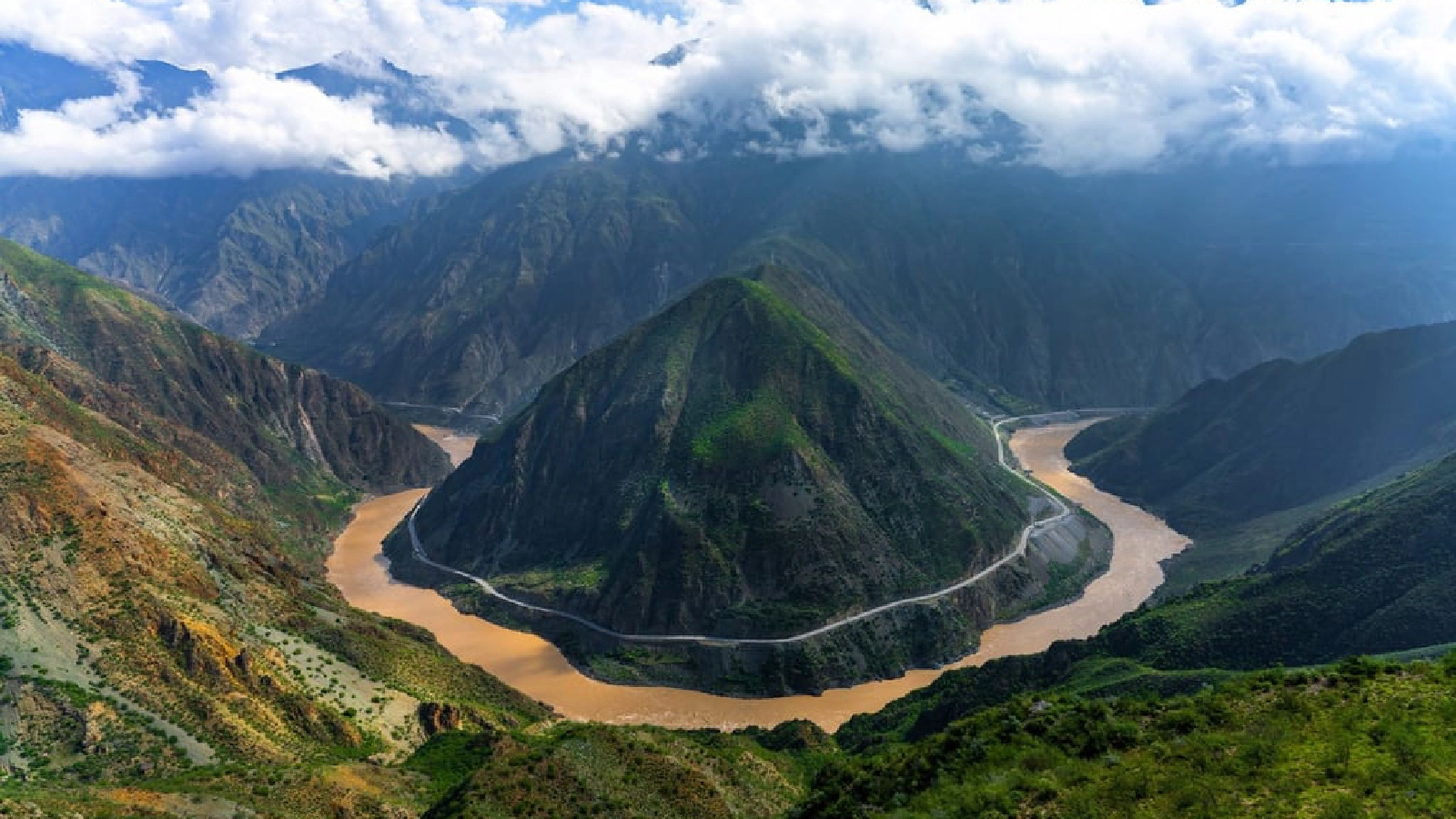
New scientific research suggests that a once thriving civilisation in ancient China disappeared due to dramatic climate changes that made survival increasingly difficult. The study focuses on the Shijiahe civilisation, which flourished along the middle Yangtze River thousands of years ago and was known for its advanced structures and cultural development. Researchers now believe that a sharp rise in rainfall and repeated flooding events disrupted agricultural systems and forced communities to abandon settlements. The findings highlight how environmental changes have historically played a critical role in shaping human societies and migration patterns.
Scientists conducted an in depth analysis of climate data preserved in natural formations to better understand conditions during the civilisation’s decline. By examining a stalagmite in Hubei province, researchers were able to reconstruct a detailed record of rainfall spanning nearly a thousand years. This data revealed that the region experienced unusually high precipitation levels during the final phase of the civilisation. The most intense rainfall periods were linked to widespread flooding, which expanded lakes and submerged farmland, making it increasingly difficult for communities to sustain agriculture and stable living conditions.
Experts explained that while ancient societies often adapted to environmental challenges such as drought, excessive rainfall created different and more complex problems. The Shijiahe people relied heavily on crops suited to relatively dry conditions, which became difficult to cultivate as water levels rose. Over time, repeated flooding led to soil saturation and crop failure, weakening the economic and social foundations of the civilisation. Without modern drainage systems or water management technology, communities struggled to cope with the changing environment, eventually leading to population decline and displacement.
Researchers also noted that the collapse of the civilisation coincided with significant cultural and environmental shifts in the region. Archaeological evidence indicates a gradual disappearance of settlements, suggesting that people migrated to safer areas as living conditions deteriorated. In the centuries that followed, the region became part of emerging political structures, including early dynastic systems that developed under different climate conditions. This transition reflects how environmental pressures can influence not only population movement but also the rise and fall of complex societies over time.
The study provides important insights into how climate extremes can affect long term societal stability, offering lessons that remain relevant today. Scientists emphasize that while modern technology has improved resilience against environmental challenges, extreme weather patterns continue to pose risks to agriculture and infrastructure worldwide. By understanding how past civilisations responded to climate stress, researchers aim to better predict and manage the impact of future environmental changes. The findings reinforce the importance of sustainable planning and adaptive strategies in the face of an evolving global climate.

