
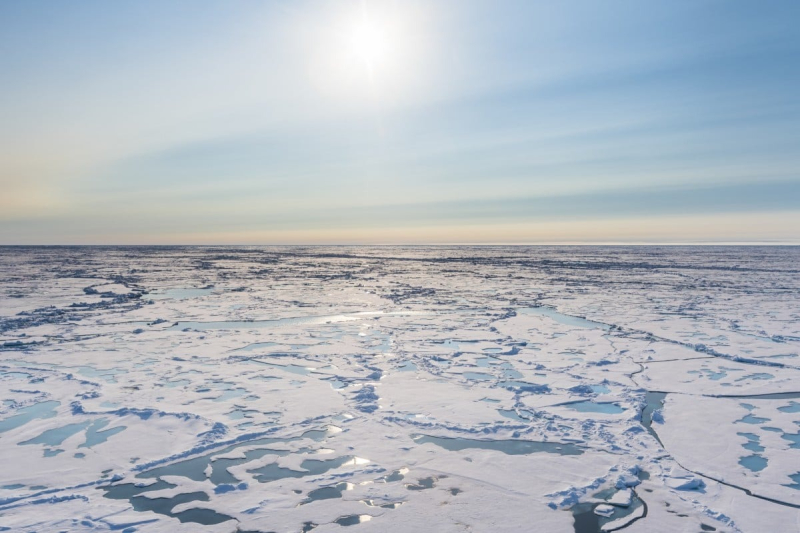
Canada and South Korea are strengthening their strategic cooperation in the Arctic as geopolitical competition intensifies in the rapidly changing polar region. Analysts say the growing partnership between the two countries represents an effort by middle powers to shape the future of Arctic governance while balancing the influence of larger global players such as the United States, China and Russia. The cooperation comes as climate change continues to transform the Arctic landscape, melting sea ice and opening new shipping routes that could significantly alter global trade patterns and resource exploration in the region.
The latest step in bilateral cooperation followed a high level meeting between foreign and defence ministers from both countries, often referred to as a two plus two dialogue. During the discussions officials from Seoul and Ottawa agreed to deepen security and defence collaboration to address both traditional and emerging threats. A joint statement released after the meeting highlighted commitments to expand coordination in defence policy, information sharing and regional security initiatives. The agreement builds upon an earlier security and defence partnership announced between the two countries several months ago, signaling a growing strategic alignment.
Experts believe the partnership reflects broader geopolitical shifts in the Arctic, where melting ice has increased the region’s strategic value. As sea routes become more navigable during longer parts of the year, the Arctic is emerging as a potentially shorter shipping corridor connecting Asia Pacific economies with European markets. This transformation has drawn the attention of major powers seeking influence over emerging trade routes, natural resources and regional security arrangements. Analysts say middle powers like Canada and South Korea are exploring ways to ensure their interests are represented in this evolving environment.
Observers also point to increasing cooperation between China and Russia in Arctic development projects as a factor influencing strategic calculations among other countries. Russia controls significant Arctic territory and has been expanding infrastructure and shipping activities along the Northern Sea Route. China has also shown interest in participating in Arctic shipping, scientific research and energy development projects. These developments have prompted discussions among allied nations about how to maintain stability and balanced governance in the region while avoiding an escalation of geopolitical tensions.
At the same time the United States has been encouraging its allies to share greater responsibility in defence and security initiatives, particularly in strategically important areas such as the Arctic. Analysts suggest that the growing partnership between Canada and South Korea reflects a broader effort by middle powers to contribute more actively to regional security frameworks while maintaining diplomatic flexibility. Both countries possess advanced technological capabilities and growing defence cooperation that could support joint research, surveillance and maritime security activities in polar environments.
The Arctic is expected to remain a focal point of global attention as environmental change accelerates and economic opportunities expand. Governments across the world are increasingly assessing how new shipping routes, energy resources and scientific exploration could reshape international cooperation in the region. For Canada and South Korea, strengthening ties may offer a pathway to influence Arctic governance while navigating complex relationships with larger powers competing for strategic presence in one of the planet’s most rapidly changing regions.

