
China has announced emergency humanitarian assistance for Iran, Jordan, Lebanon, and Iraq as escalating conflict in the Gulf region continues to intensify, leaving civilians facing growing hardship. The move reflects Beijing’s effort to respond to worsening humanitarian conditions as violence disrupts daily life, displaces communities, and strains already fragile infrastructure. Officials described the situation as severe, with increasing civilian casualties and urgent needs for food, shelter, and medical support across affected areas, prompting immediate action to provide relief and stabilize conditions on the ground.
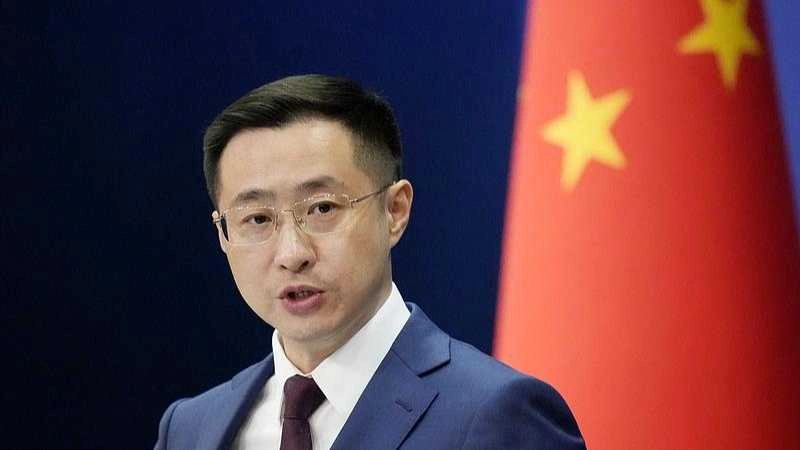
The announcement was made during a briefing in Beijing, where officials highlighted the scale of the humanitarian impact and emphasized China’s commitment to supporting affected populations. The aid package is expected to include essential supplies and financial assistance aimed at addressing urgent needs among displaced families and vulnerable communities. Chinese authorities also indicated that relief efforts would extend through both government channels and humanitarian organizations, ensuring that assistance reaches areas where it is most needed as the crisis continues to evolve rapidly across multiple countries.
China’s response comes at a time when regional tensions have sharply increased following a series of military exchanges that have widened the scope of the conflict. The situation has disrupted key economic and trade routes, particularly in the Gulf, raising concerns about energy supply stability and broader economic implications. Analysts note that humanitarian assistance in such conditions plays a critical role in preventing further deterioration, especially as healthcare systems and local resources struggle to cope with the scale of displacement and damage caused by ongoing hostilities.
Officials have reiterated that China’s approach remains focused on humanitarian relief while continuing to advocate for a ceasefire and diplomatic resolution. Beijing has called for de escalation and urged all parties involved to prioritize civilian safety and regional stability. Observers suggest that this balanced approach allows China to maintain its diplomatic relationships while also positioning itself as a contributor to global humanitarian efforts. The emphasis on neutrality and support for peaceful dialogue reflects a broader strategy of engaging with complex geopolitical situations without direct military involvement.
The aid initiative is expected to complement ongoing international relief efforts, as multiple organizations and governments work to address the growing needs across the region. Rising displacement levels and damage to infrastructure have increased pressure on humanitarian agencies, making coordinated support essential. Experts warn that continued disruptions to transport routes could complicate the delivery of aid, particularly in areas heavily affected by conflict. As a result, timely assistance and logistical coordination will be crucial in ensuring that resources reach those most in need.
The crisis has also highlighted the interconnected nature of geopolitical tensions and humanitarian outcomes, with impacts extending beyond immediate conflict zones. Economic disruptions, including rising energy prices and supply chain instability, are adding further strain to affected populations and neighboring regions. As the situation develops, China’s humanitarian engagement signals an increasing role for major powers in addressing both the immediate and long term consequences of regional conflicts, even as broader efforts to restore stability remain ongoing.

