
China Endorses Pakistan’s Mediator Role
China signaled a sharper diplomatic push to stabilise maritime commerce as tensions around the Gulf persist. In a statement carried by Dawn, Beijing said the proposed negotiations could help restore shipping conditions and it backed Islamabad to facilitate contacts between concerned parties. Today, officials in Islamabad described the effort as a practical channel that can move quickly without expanding the conflict footprint. In the middle of the diplomatic messaging, Hormuz transit talks were framed as a confidence building step rather than a new security bloc. A Live brief circulated among regional desks highlighted that the aim is de escalation through dialogue, not coercive patrols. An Update from Pakistan’s foreign office emphasised neutrality and access to all sides.
Strategic Importance of the Strait of Hormuz
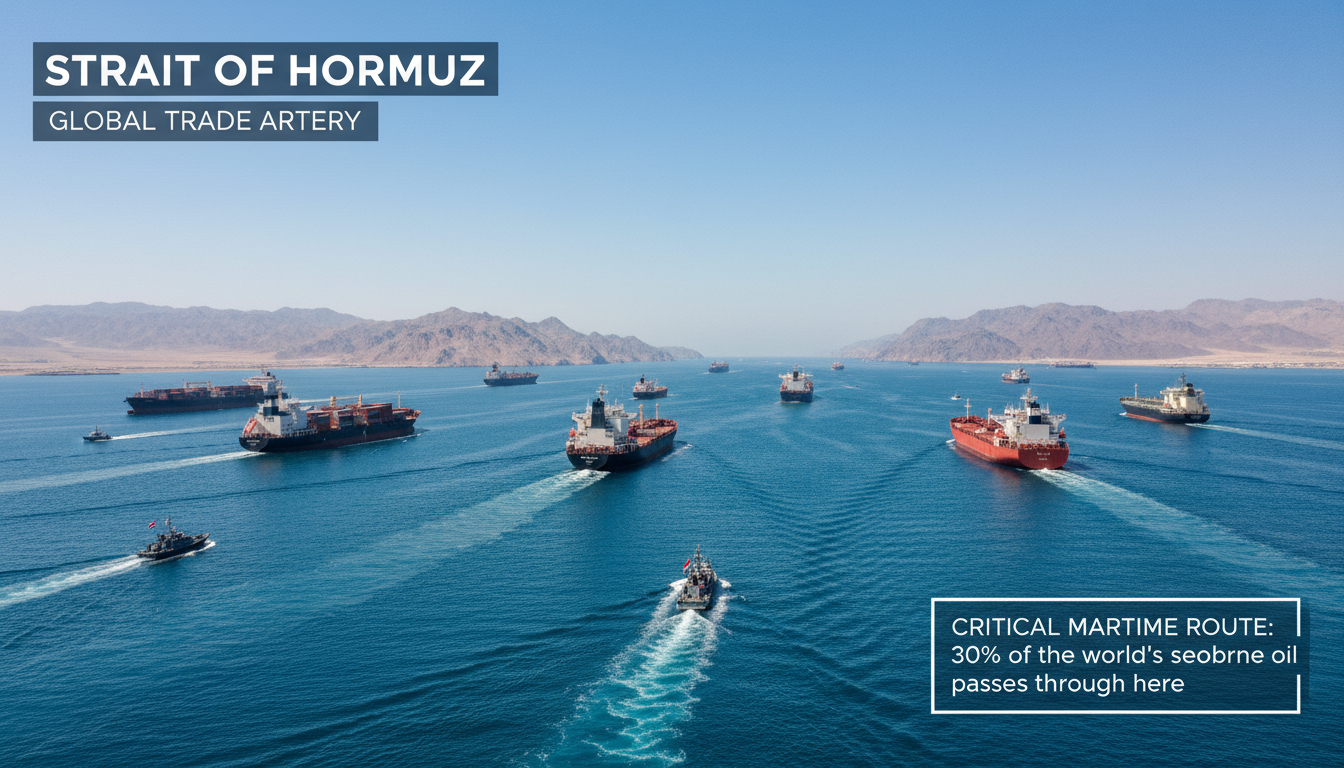
Shipping operators and insurers watch the Strait of Hormuz because any disruption immediately affects routing costs and delivery schedules. Today, market participants treat maritime risk as a near term pricing factor as vessels decide whether to slow, reroute, or wait for clearer clearances. An Update from the energy information service of the US EIA describes the strait as a critical oil chokepoint, a label frequently used by traders when they brief clients on exposure. In that context, Hormuz transit talks are being positioned as a mechanism to reduce uncertainty for commercial traffic and lower the likelihood of miscalculation, and a related regional angle appears in China stance on UAE Opec exit amid Iran crisis for readers tracking how China frames its diplomacy. Live shipping advisories continue to shift as risk assessments change.
Regional Security Concerns in Hormuz
Security officials in the region are focused on how quickly incidents can escalate when naval assets operate in tight sea lanes. Live monitoring by maritime analysts often centres on communications discipline, deconfliction channels, and the signalling value of deployments. An Update in the South China Morning Post analysis, A world adrift looks to China for institutional anchors. Enter Hong Kong, notes how governments increasingly look to institutions to prevent spillover during crises, a theme relevant to regional security debates. In this environment, Hormuz transit talks are being discussed as a way to create predictable contact points even when politics is strained. Today, diplomats emphasise that mediation depends on keeping the agenda narrow and avoiding public ultimatums that harden positions. Live briefings to journalists have stressed protecting commercial passage while lowering the temperature.
Pakistan’s Diplomatic Efforts and Challenges
Islamabad’s pitch is built on maintaining working channels with major capitals while arguing that economic stability depends on calmer sea routes. Today, Pakistani officials have presented their outreach as consistent with long standing ties to Gulf partners and strategic communication with Beijing, while insisting they are not seeking a military role. The China Pakistan mediation narrative is strengthened by Pakistan’s recent engagement on broader bilateral priorities, including security cooperation covered in China, Pakistan step up counter terror partnership, which officials cite when describing trust and coordination. In the middle of these efforts, Hormuz transit talks also face procedural hurdles such as agreeing on venue, sequencing, and who speaks for whom. A Live diplomatic calendar can shift quickly if any side demands preconditions. An Update from diplomats indicates Pakistan is trying to keep discussions technical and time bound.
Future Prospects for Hormuz Mediation
The next phase will be judged by whether the mediator can convert public endorsements into a timetable and a minimum agenda that all parties accept. Today, diplomats say the most achievable early outcome is a set of communication practices that reduce the chance of incident escalation during routine patrols and commercial escorts, with officials in Islamabad describing Hormuz transit talks as a practical channel that can move quickly. In that frame, Hormuz transit talks would be measured less by grand declarations and more by whether shipping notices become less alarming over successive weeks. A Live test will be whether capitals allow quiet working level meetings without turning them into domestic political theatre. Pakistan’s challenge is to show even handedness while coordinating with partners that have competing priorities. An Update from regional observers suggests success hinges on confidentiality and discipline in messaging. The immediate benchmark is calmer navigation and fewer crisis signals in the strait.

