
China has urged Pakistan and Afghanistan to resolve their escalating border tensions through diplomatic dialogue as clashes between security forces along the frontier entered their seventh day. The violence has resulted in significant casualties and forced thousands of civilians to leave their homes, raising concern across the region. Beijing has expressed alarm over the situation and emphasized the importance of stability among neighboring countries. Officials believe prolonged conflict could disrupt regional connectivity and economic cooperation, particularly at a time when South and Central Asia are increasingly linked through trade, infrastructure and security partnerships.
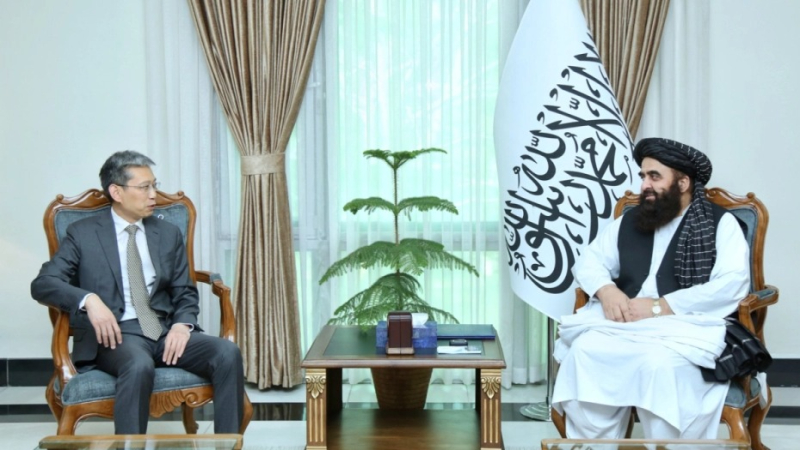
The call for restraint was delivered during a meeting in Kabul between China’s ambassador to Afghanistan Zhao Xing and Afghanistan’s foreign minister Amir Khan Muttaqi. During the discussion both sides reviewed regional security developments and broader bilateral relations. Chinese officials highlighted the importance of maintaining stability across the region and encouraged both governments to pursue diplomatic channels to resolve disagreements. Beijing has traditionally supported dialogue based approaches in regional conflicts and views cooperation among neighboring countries as a key factor for maintaining long term security and economic progress in Asia.
China’s diplomatic message stressed that regional stability benefits all neighboring countries and should remain a shared priority. The ambassador underlined that disputes should be addressed through negotiation rather than military escalation. Chinese officials also warned that external actors may attempt to exploit tensions to weaken regional cooperation and development initiatives. According to Beijing’s position stronger coordination among regional states can reduce the risk of outside interference while reinforcing political trust and economic partnerships across South and Central Asia.
Afghanistan’s leadership responded by reiterating its commitment to diplomacy while emphasizing respect for sovereignty and territorial integrity. Afghan officials stated that Kabul seeks relations with neighboring countries based on mutual respect and non interference. The foreign minister stressed that respecting Afghanistan’s borders and national authority is critical for long term regional stability. Afghan authorities warned that actions perceived as violations of sovereignty could undermine trust and complicate broader cooperation efforts among countries in the region.
The ongoing clashes began after Pakistan conducted air strikes inside Afghan territory, saying the operation targeted militants associated with Tehrik i Taliban Pakistan who were believed to be using Afghan territory as a base. Afghan officials strongly condemned the strikes and described them as a violation of their national sovereignty. In response Afghan security forces carried out retaliatory attacks against several Pakistani border posts. The exchange of fire has intensified tensions along the frontier and raised fears of a wider security confrontation between the two neighboring countries.
International observers have expressed concern over the humanitarian impact of the fighting. Reports indicate that more than 160 people have been killed or injured since the clashes began, while thousands of civilians living near the border have fled their homes to seek safety. Aid organizations warn that prolonged instability could worsen conditions for communities already facing economic hardship and limited access to basic services. Regional analysts believe that continued diplomatic engagement will be essential to prevent the crisis from expanding and to stabilize one of South Asia’s most sensitive border regions.

