
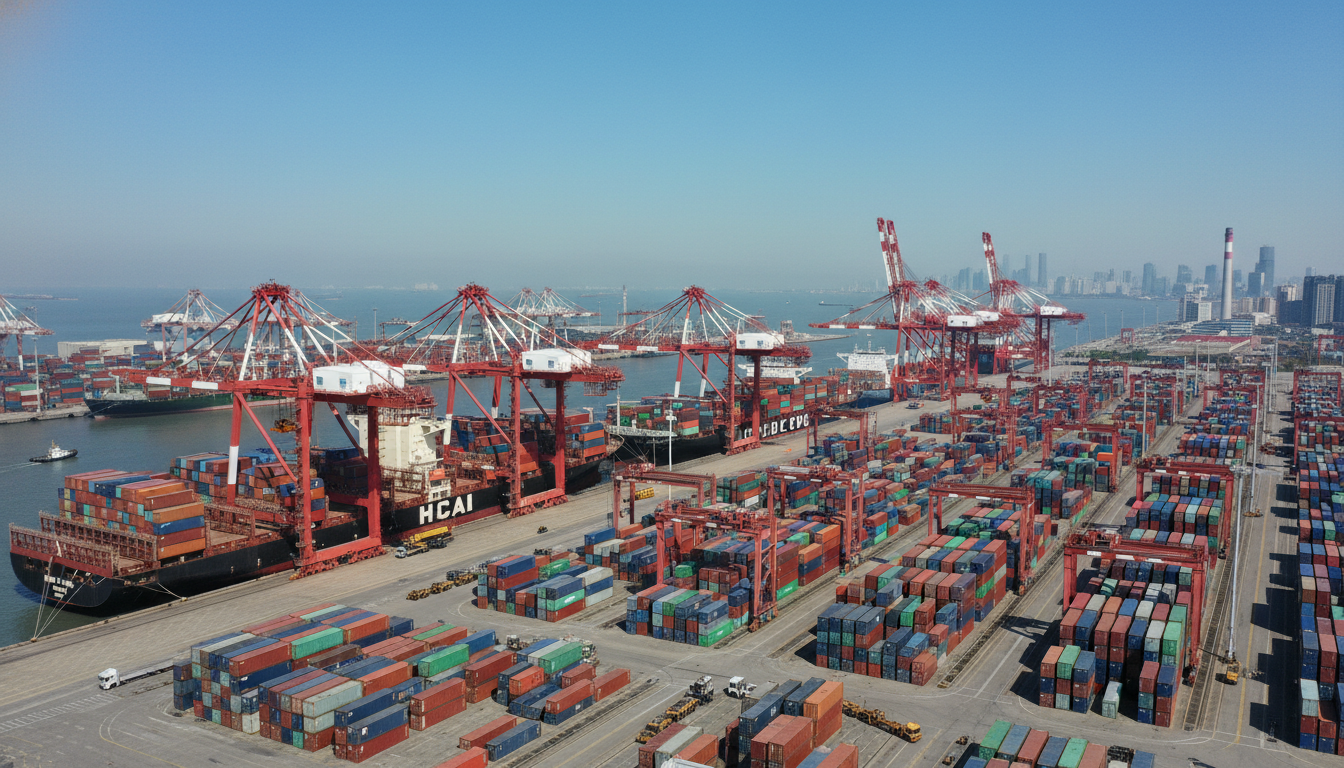
How Chinese Exports Are Performing
Customs watchers are tracking shipments closely as orders move through ports and rail hubs. In the latest Live market chatter, freight forwarders described steadier booking volumes and fewer last minute cancellations than earlier in the quarter. China exports are being watched as a real time barometer for factory utilization and supply chain confidence across Asia. Today, buyers in electronics and household goods are prioritizing delivery reliability over deep price cuts, according to logistics executives cited by Reuters in recent dispatches on Asian trade. The first signs of a demand rotation are also visible in regional tender activity, which is drawing renewed attention from commodity desks and shipping lines.
Factors Behind China exports Growth
Policy signals and cost structures are shaping what traders are seeing on the ground. The General Administration of Customs has continued publishing monthly trade releases, and desks treat each Update as a quick check on whether production is matching foreign demand. Manufacturers are also leaning on faster product cycles and flexible sourcing for components, particularly in autos and energy equipment. Some of that momentum reflects technology scaling and industrial investment that has been covered alongside earnings pressures in BYD Q1 profit drops 55% as EV market strains, which traders read for supply chain implications rather than profits alone. Live pricing conversations indicate China exports are keeping quotes stable to defend share even when margins tighten.
Impact on the Global Economy
Stronger outbound volumes matter because they transmit price and inventory signals into importing markets. Today, procurement teams in Europe and Southeast Asia are using shipment timing to decide when to rebuild stocks, which influences factory schedules outside China as well. Economists at the International Monetary Fund have emphasized that trade flows are a key channel for global growth and inflation dynamics, and this cycle is being scrutinized for spillovers into goods prices. For a regional view on how technology policy intersects with commercial ties, readers have also tracked Experts Say Trade Deals Alone Won’t Be Enough for Xi Trump Summit as Global Stakes Rise as a reference point for negotiation risk. Live freight indices and container availability are also feeding daily decision making for importers.
Challenges and Opportunities
Export strength is not uniform, and the market is separating resilient categories from those facing tougher scrutiny. Compliance checks, product standards, and destination specific rules can slow deliveries even when demand exists, which is why exporters are investing in documentation and testing capacity. An Update in shipping insurance pricing has also tightened terms for some routes, raising the cost of working capital for smaller suppliers. At the same time, opportunities are opening in higher value machinery, electric components, and specialty consumer goods where after sales service and warranty support are becoming decisive. Today, trade lawyers note that clearer rules and faster certification can shorten payment cycles, helping firms maintain economic resilience without relying on aggressive discounting.
Future Outlook for China’s Exports
Looking ahead, traders are focusing on whether china exports 2025 momentum can hold as buyers normalize inventories and compare suppliers across regions. The next Live read will come from monthly customs releases and from corporate guidance that signals whether overseas order books are expanding or merely shifting between products. Firms that can diversify destinations and meet documentation requirements are better placed if trade policy friction rises. Another Update to watch is how exporters manage currency exposure and hedging costs, since pricing in dollars and euros can change competitiveness quickly. Today, desks are also evaluating capacity additions in shipping and warehousing, because smoother logistics can sustain trade growth even if unit prices soften.

