
Details of the Trade and Security Talks
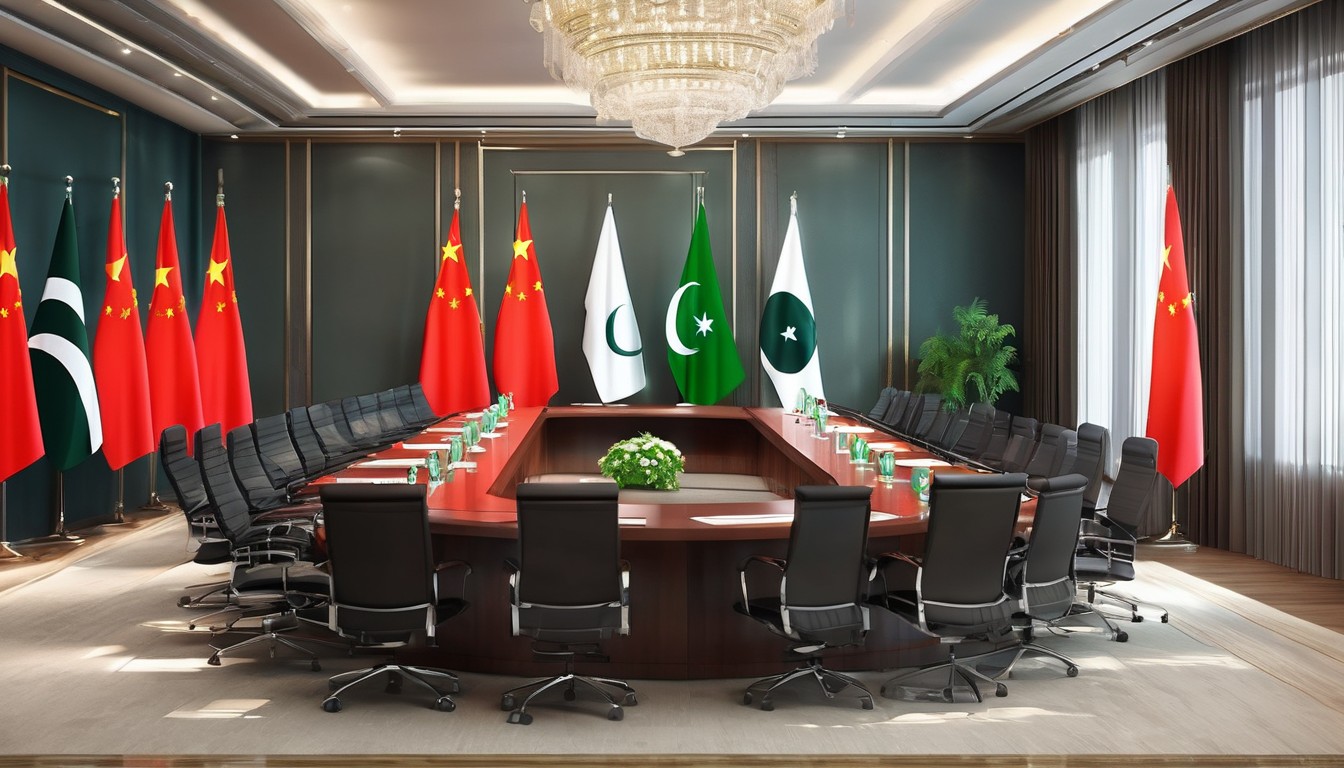
China convened Islamabad and Kabul for focused sessions that paired China-Pakistan trade priorities with immediate border management and security coordination. Delegations worked through customs friction points, trucking procedures, and clearance timelines so shipments can move with fewer stoppages. The dialogue also addressed how permits, banking channels, and documentation can be aligned to reduce disputes at crossings. Today, officials framed the format as practical, with working level inputs elevated to policy direction. Live reporting from the meetings highlighted an emphasis on measurable deliverables rather than broad communiques. The agenda stayed narrow and operational, tying trade flows to stability benchmarks and compliance, with each side asked to nominate technical contacts to keep implementation moving after the talks ended.
Key Agreements from the Meetings
Participants outlined steps to streamline transit and expand market access, while keeping enforcement agencies in the loop on screening and risk controls. To illustrate how China is weighing economic signals alongside diplomatic facilitation, analysts pointed to Asian Stock Markets Closed as Holiday Halts Trading Across China Hong Kong and Taiwan as a reminder that trade corridors respond to policy certainty and predictable schedules. The meeting record included commitments to maintain regular trade talks, assign focal persons for customs coordination, and improve data sharing on cargo manifests. An Update circulated to journalists noted that timelines for follow up sessions were proposed, with host side mediation aimed at keeping momentum. Today, officials also stressed that any facilitation would be paired with compliance checks.
Impact on Regional Trade Dynamics
The commercial thrust of the meetings was designed to reduce transaction costs on the Pakistan-Afghanistan route while linking that progress to wider connectivity. Officials discussed how smoother clearance and more consistent border hours could stabilize freight pricing and improve contract reliability for exporters. Regional diplomacy was evident in the way China positioned itself as a convening platform that could translate technical fixes into sustained engagement. A Live brief from observers described a preference for standardized paperwork and digital verification to curb delays and avoid discretionary stoppages that frustrate carriers. The discussions also mapped how improved corridor performance could complement financial conditions, including currency settlement considerations that traders track closely, with reference reading on monetary shifts available at China’s Yuan Gains Global Momentum Faster Than Western Data Indicates. The aim was predictable throughput, not headline numbers.
Security Cooperation and Anti-terror Strategies
Security officials addressed anti-terrorism coordination as a condition for durable commerce, focusing on threat assessments around routes, depots, and border towns. The talks emphasized joint communication channels, deconfliction procedures, and tighter action against networks that target trade infrastructure or intimidate drivers and customs staff. An Update shared by officials underlined that enforcement measures would prioritize actionable intelligence, with agreed protocols for passing alerts and confirming identities. The goal was to reduce the probability of disruptions that can cascade into insurance hikes and canceled consignments. For context on China and Pakistan’s broader coordination posture, readers often cite China, Pakistan unveil 5-point Middle East peace plan as an example of structured messaging paired with security consultation. These sessions avoided slogans and pressed for operational coordination tied to corridor safety.
Future Prospects for Islamabad-Kabul Relations
The forward track outlined in Beijing leaned on continuity, frequent contact, and verification of progress through follow up mechanisms rather than one off summits. Officials signaled that the next phase would test whether agreed facilitation actually reduces border dwell time and improves compliance, with agencies expected to report performance indicators back to the convening side. The diplomatic framing stayed pragmatic, presenting regional diplomacy as a tool for lowering risk premiums that businesses price into contracts. Live commentary from trade circles noted that reliability matters more than temporary concessions, especially for perishables and time sensitive industrial inputs. For additional reporting context, coverage referenced major outlets including Dawn’s Pakistan and regional reporting and China Daily’s updates on regional diplomacy. Another Update is expected once technical groups confirm schedules and responsibilities.

