
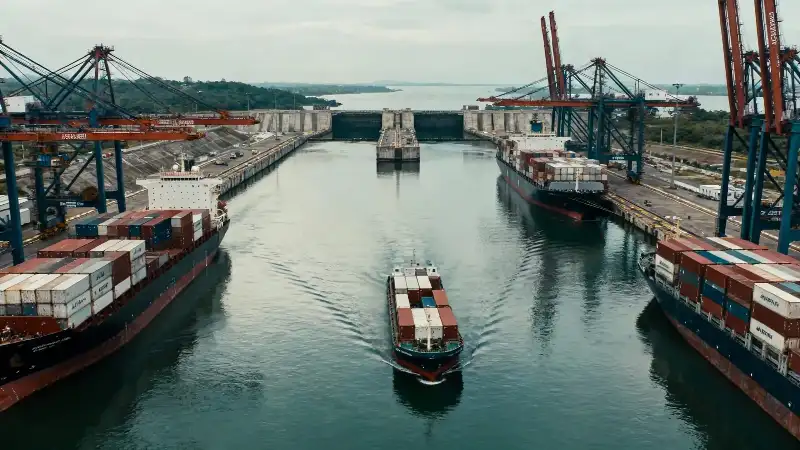
China has increased its maritime oversight across key shipping routes as global trade tensions continue to affect strategic canals and port operations. This development comes at a time when international shipping lanes are facing heightened scrutiny due to geopolitical pressures and shifting control over major infrastructure assets. For countries dependent on stable trade flows, these changes highlight the importance of monitoring maritime activity and ensuring compliance with international standards. The move reflects a broader focus on safeguarding trade routes while adapting to an evolving global shipping environment.
Rising Importance of Maritime Oversight in Global Trade
Maritime oversight has become a central element in managing modern trade systems. As global shipping networks expand, the need for regulatory compliance and operational transparency has increased. China’s enhanced inspections and monitoring practices are aimed at ensuring that vessels meet established safety and operational standards. This approach supports the smooth functioning of trade routes while also addressing concerns related to security and efficiency. Oversight measures contribute to maintaining trust within the international shipping system, which is essential for uninterrupted trade.
Increased Vessel Inspections and Compliance Measures
One of the key aspects of China’s maritime strategy is the intensification of vessel inspections. These inspections focus on verifying compliance with safety regulations, environmental standards, and operational protocols. By strengthening inspection processes, authorities aim to reduce risks associated with shipping activities. Enhanced compliance measures also ensure that trade operations remain consistent with international practices. This focus on regulation demonstrates a structured approach to managing maritime traffic in a complex global environment.
Strategic Significance of Canal and Port Operations
Canals and ports serve as critical nodes in global trade, facilitating the movement of goods across continents. Tensions surrounding these strategic assets can have a direct impact on shipping efficiency and trade costs. China’s increased oversight reflects an awareness of the importance of these locations in maintaining stable trade flows. By closely monitoring activities related to key ports and canals, authorities aim to minimize disruptions and ensure that operations continue smoothly despite external pressures.
Impact on Global Shipping and Trade Stability
The intensification of maritime oversight has broader implications for global shipping stability. As inspection protocols become more rigorous, shipping companies may need to adjust their operational practices to meet compliance requirements. While this may introduce additional checks, it also contributes to improving overall safety and reliability within the system. Stable shipping operations are essential for maintaining consistent supply chains, particularly in an environment where disruptions can have widespread economic effects.
Coordination Between Policy and Maritime Operations
Effective maritime oversight requires coordination between regulatory frameworks and operational systems. Policy alignment ensures that inspection processes are clear, consistent, and enforceable. This coordination helps reduce uncertainty for shipping operators while maintaining high standards of compliance. By integrating policy with operational oversight, authorities can manage maritime activities more efficiently. This structured approach supports long term stability within global trade networks.
Adapting to Geopolitical Pressures in Shipping Routes
Global shipping routes are increasingly influenced by geopolitical developments, making adaptability a key requirement for maritime systems. China’s approach to oversight reflects an effort to respond to these pressures while maintaining operational efficiency. By strengthening monitoring and compliance mechanisms, authorities can better manage risks associated with changing trade conditions. This adaptability ensures that shipping networks remain functional and resilient despite ongoing challenges.
Conclusion
China’s increased maritime oversight reflects a strategic effort to maintain shipping stability, enhance compliance, and support resilient global trade networks amid rising geopolitical tensions.

