
China’s Diplomatic Efforts for Peace
Beijing is pressing for quick responses to international calls that commercial shipping should move safely through the Gulf without disruption. Today, Chinese officials framed their messaging as de-escalation rather than alignment, and they stressed that restraint matters for energy markets and civilian vessels. In private briefings described by Reuters, the immediate aim is practical, keep transit predictable while channels for dialogue stay open. Live monitoring of tanker routes is already shaping how governments calibrate statements, and a fresh Update cycle has focused on whether Tehran and Washington will acknowledge the safe passage language. Officials also linked Sino-Iranian diplomacy to wider regional stability without tying it to any single military move.
Strategic Importance of the Strait of Hormuz
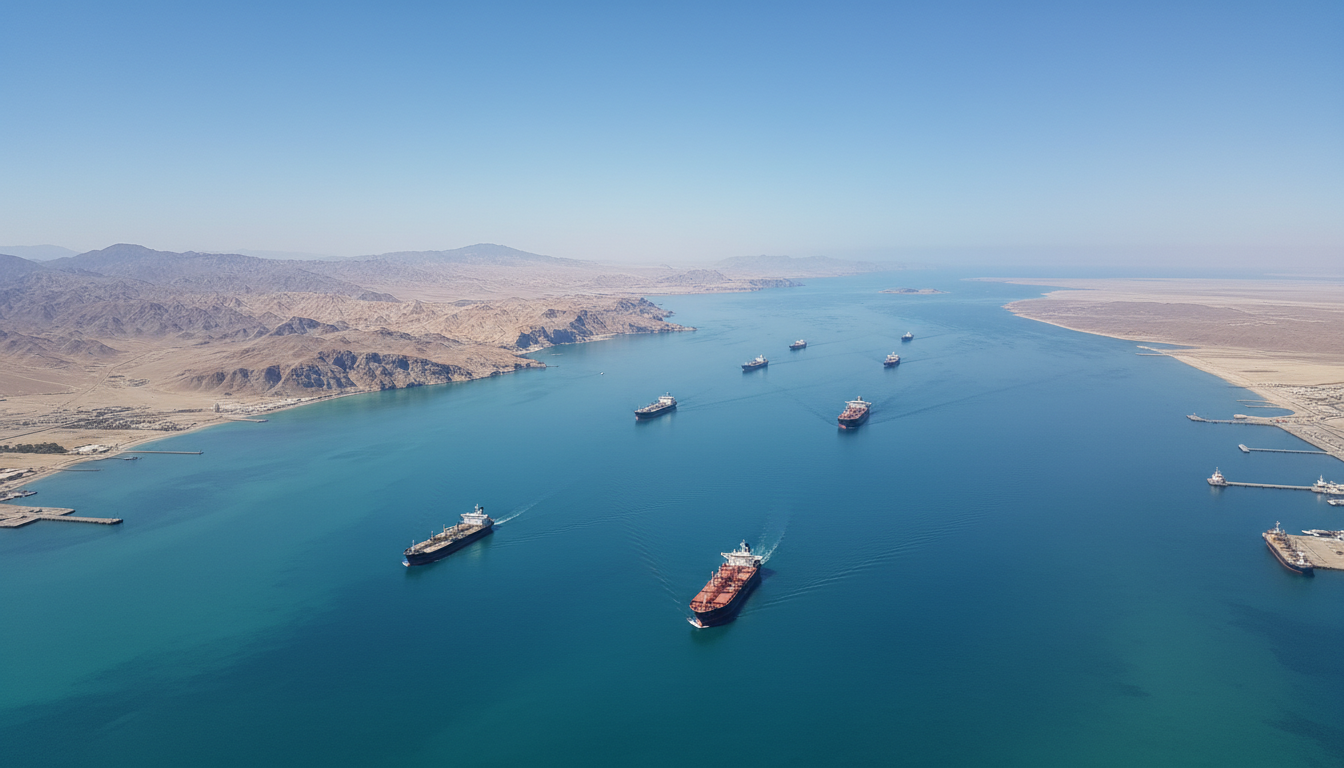
The Strait of Hormuz remains the chokepoint that turns diplomatic language into market consequences, so Beijing is treating maritime security as urgent rather than theoretical. Today, traders and shipping firms are watching risk pricing as closely as official communiques, and Live route decisions can change within hours as insurers reassess exposure. A parallel Update stream in Asian markets has tracked how expectations of calmer transit feed into sentiment, including in China and Hong Kong equities, and coverage on China Scales Digital Yuan Trials Across Key Sectors shows policymakers also want financial plumbing resilient to shocks. China is urging all sides to keep navigation rules clear, while avoiding language that implies any new security coalition in the waterway.
Current Iran-US Tensions and Impact
Iran-US relations are again the hinge point because each side reads maritime statements through the lens of deterrence and sanctions. Diplomats speaking to Reuters described a narrow window for messaging that reduces the risk of miscalculation at sea while leaving room for political bargaining. Today, energy consumers in Asia are looking for signs that both capitals will acknowledge the same baseline, ships should not be targeted for political leverage. A Live diplomatic calendar has multiple touchpoints around the region, and for broader context on how markets react to these signals, see China, Hong Kong shares rise on Iran peace hopes, while each Update on contacts is judged against what commanders and regulators do next.
Responses from Involved Parties
Public reactions have been cautious, with officials emphasizing principles rather than detailed commitments. China has repeated that it supports dialogue and opposes actions that endanger civilians, while Iranian officials have typically stressed sovereignty and security concerns when discussing Gulf waters. On the US side, statements highlighted freedom of navigation and the need to deter harassment, consistent with prior positions cited by Reuters. Today, the practical test is whether wording converges enough to calm shipping advisories without forcing either government into a public climbdown. Live maritime alerts from insurers and operators are being read as closely as press briefings, and Sino-Iranian diplomacy is being judged by whether it lowers operational risk even before any formal peace talks begin, as each Update on incidents or near misses can reset the political tone.
Future Prospects for Dialogue
The next phase depends on whether technical understandings about safe passage can be insulated from the wider disputes that keep Iran-US relations volatile. Officials familiar with regional mediation efforts told Reuters that incremental steps, such as clearer communication channels and predictability for commercial shipping, are more plausible than dramatic breakthroughs. Today, Beijing appears focused on keeping its message consistent across partners, avoiding escalation while seeking commitments that reduce the chance of a sea incident. Live engagement will likely continue through multilateral venues, with Sino-Iranian diplomacy tracked alongside each Update measured in market stability and fewer maritime warnings. Peace talks remain possible if the parties can treat transit security as a shared interest, not a bargaining chip. Sino-Iranian diplomacy may gain credibility if it delivers calm seas without demanding public concessions.

