
China’s Tariff-Free Proposal to Afghanistan
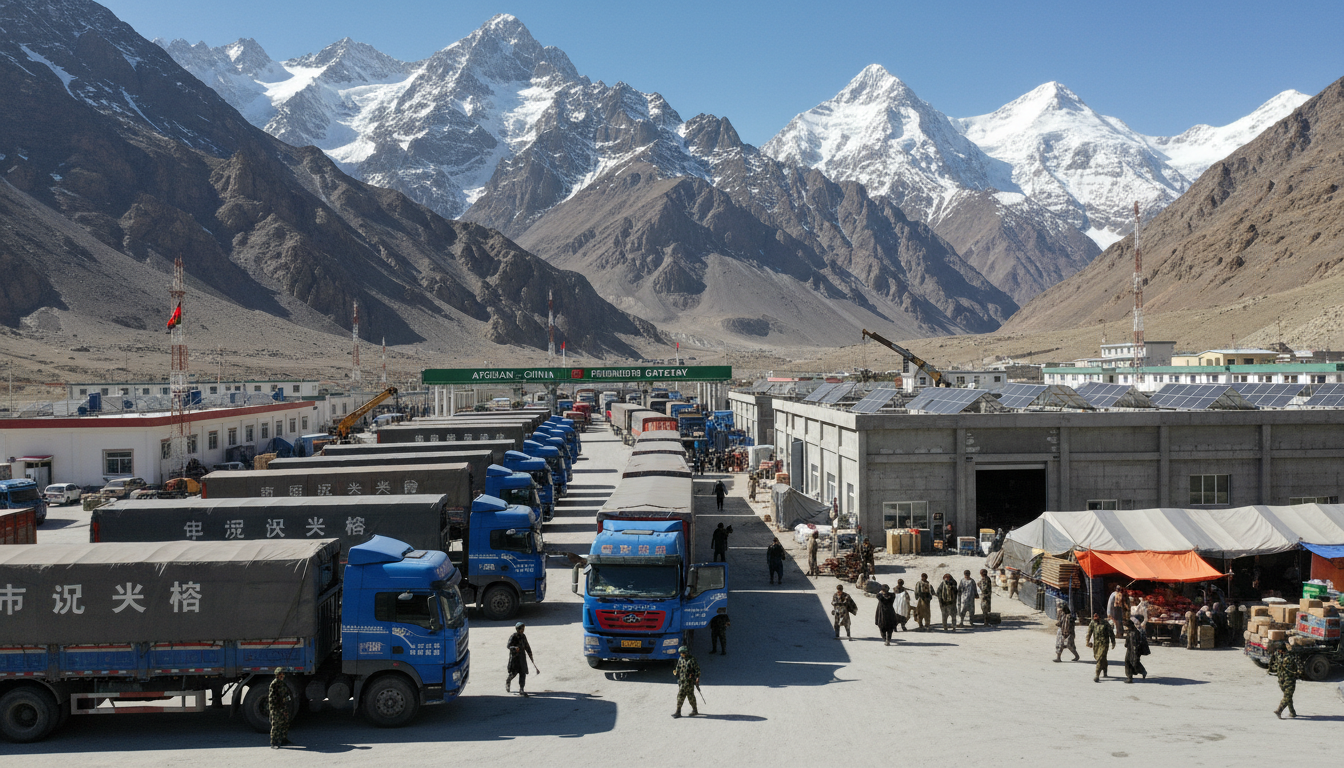
Beijing is moving from cautious contact to practical commerce with Kabul, as Chinese officials signal a new tariff free channel for Afghan exports into China. The offer is framed as a trade facilitation step while the Taliban remain diplomatically isolated by many capitals. In the latest Update on the outreach, Dawn reported the proposal as part of China’s broader effort to deepen working ties with the authorities in Kabul. Officials have not published full eligibility rules yet, but the direction is clear for customs treatment and border procedures. Today, traders and logistics firms are watching whether the pledge translates into specific tariff schedules and port handling arrangements. Live reactions in regional markets have focused on timing and enforceability rather than politics.
Economic Implications for the Afghan Regime
For the Taliban administration, tariff free access could convert limited export volumes into steadier cash flow, but only if banking and compliance bottlenecks are addressed. Dawn noted that the regime is seeking openings that can substitute for restricted aid and limited correspondent banking. In the middle of this Live coverage cycle, Beijing’s domestic policy focus on growth and consumption is also relevant, as seen in Beijing pushes provinces to drive new growth model, which highlights provincial pressure to expand demand channels. A parallel Today factor is whether customs clearance can be harmonised across border crossings to reduce informal fees. Any measurable jump in trade receipts would need transparent reporting, and an Update from Afghan customs authorities would be required to validate outcomes.
Boosting Sino-Afghan Economic Cooperation
Operational cooperation hinges on routes, documentation and risk controls, and it will only scale if both sides can standardise paperwork for firms that fear secondary sanctions exposure. In an Update on regional supply chains, Chinese importers have indicated they prefer traceable origin certificates and predictable inspection regimes when sourcing agricultural and mineral inputs, shaping China Afghan trade expectations in practice. The investment narrative also intersects with minerals security debates, discussed in G7 targets mineral supply risks, watches China moves, which frames how major economies monitor strategic resources. Today, the key question is whether new tariff treatment is paired with logistics support such as bonded warehousing. Live implementation will be judged by shipment frequency rather than announcements alone.
Potential Challenges and Criticisms
Critics argue that preferential access risks strengthening an Afghan Taliban system that many governments refuse to recognise, and they point to rights and governance concerns as reasons to keep pressure on. Beijing typically separates political recognition from working level engagement, but the tariff free trade mechanism will still attract scrutiny in multilateral forums. Any formal arrangement also faces technical obstacles, including customs valuation disputes, product safety checks and the availability of trade finance. For context on how capital raising and oversight can influence cross border projects, Hong Kong secures US$3.5 billion to fund Northern Metropolis and green projects shows how funding structures shape timelines. Live monitoring will focus on compliance and enforcement, not rhetoric.
Future Prospects for Trade Relations
Near term progress will depend on whether tariff preferences are written into usable customs codes and whether traders can move goods without payment disruptions. China Afghan trade could expand most quickly in low weight, higher value categories, but only if inspection capacity and dispute resolution are clarified. Dawn’s account of China inching closer to a resource rich regime underscores why minerals and transit corridors remain central to the economic calculus. Today, the durability of the offer will be tested by how it handles product returns, rejected consignments and quality claims. A credible Update would include published guidance from Chinese customs and Afghan export agencies. Live outcomes will be visible in port throughput and documented export values, not statements.

