
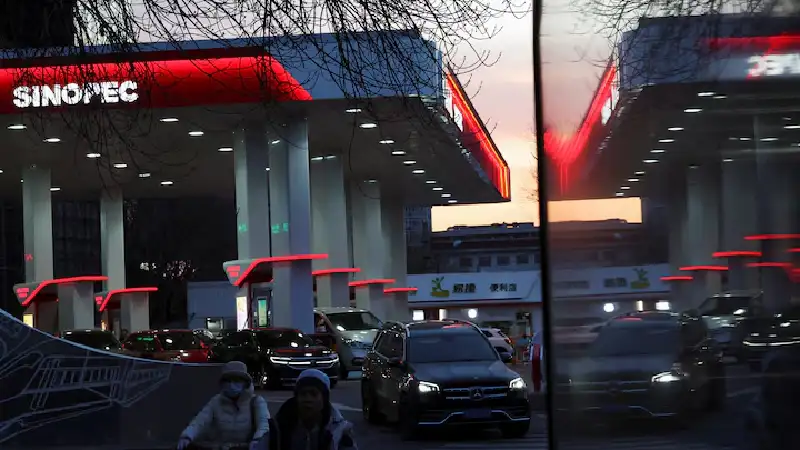
China’s major state owned oil companies have resumed seeking Russian crude shipments after a four month pause, as global energy markets face renewed pressure from escalating conflict in the Middle East. The move reflects growing concerns over potential supply shortages and rising prices, prompting Chinese firms to explore cost effective alternatives. With instability affecting key oil producing regions, companies are reassessing procurement strategies to secure stable energy flows and manage price volatility in an increasingly uncertain global market environment.
Trading units linked to major Chinese energy firms have recently approached suppliers to explore potential purchases of Russian oil, marking the first such activity since late last year. While no confirmed deals have been finalized, market participants suggest transactions could materialize soon due to the competitive pricing of Russian crude. Compared with supplies from regions such as Brazil and West Africa, Russian oil continues to offer relative cost advantages despite recent increases in global benchmark prices. This has made it an attractive option for buyers seeking to balance affordability with supply security.
The renewed interest follows the introduction of a temporary sanctions window that allows limited transactions under specific conditions. Companies are carefully evaluating whether purchases can be completed within the permitted timeframe, including considerations around payment processing and delivery logistics. Industry sources indicate that firms are also assessing alternative procurement methods, including acquiring Russian origin oil already stored within domestic supply chains. This approach could allow faster access to available cargo while minimizing exposure to regulatory risks and logistical delays.
Market dynamics have shifted significantly in recent weeks, with Russian crude grades moving from discounted levels to modest premiums amid tightening global supply. Prices for key export blends have risen as demand increases and geopolitical tensions continue to influence energy flows. At the same time, global benchmark prices have surged, further complicating procurement decisions for buyers. Analysts note that these developments highlight the volatility of energy markets and the importance of flexible sourcing strategies in maintaining supply stability.
China’s independent refiners, often referred to as smaller processing firms, have played a key role in absorbing discounted Russian oil in recent months. However, rising prices may limit their ability to continue large scale purchases, especially as existing inventories provide short term cushioning. This shift could open opportunities for larger state owned companies to re enter the market and secure supplies under more structured arrangements. The evolving balance between independent and state buyers reflects broader changes in China’s energy procurement landscape.
The decision by Chinese firms to revisit Russian oil sourcing comes against the backdrop of record import levels earlier in the year, when discounted cargoes attracted strong demand. As geopolitical tensions reshape global energy trade patterns, China’s approach underscores the need to adapt quickly to changing conditions. The combination of supply disruptions, price fluctuations, and regulatory considerations is driving a more strategic approach to energy sourcing as companies seek to ensure long term stability.

